
I have been writing around Camberwell for months.
It turns up in my op shop guide. It turns up in my Melbourne shopping guide. It turned up twice in the Balwyn post I wrote last week, once as the place you go when Balwyn runs out of shops and once for the Sunday market. And it has never had a piece of its own, which is daft, because Burke Road is one of the oldest and largest shopping strips in this city and Maling Road around the corner is the loveliest street to shop on in the whole eastern suburbs.
So here is Camberwell properly. What the two strips are actually for, what to buy on each, when the markdowns land, and how I shop it with a client.
What Camberwell Junction actually is
Camberwell Junction is where Burke Road, Camberwell Road and Riversdale Road all meet, and the retail runs north from there up Burke Road to Camberwell station. It is not a modern shopping centre with a strip attached. It is the other way round: a genuine nineteenth century shopping area that the twentieth century built on top of without knocking down.
That is not me being romantic about it. The Burke Road and Camberwell Junction precinct is on the Victorian Heritage Database as a historic area, described there as one of the largest of the traditional shopping areas of Melbourne and as substantially intact from the late nineteenth and early twentieth centuries. Look up, above the shopfronts, and you can see the whole thing.
Practically, what it means for you is that the shops are at street level on a long straight road with trams running down it and a station at one end. You walk it. You do not park once and then wander a centre for two hours wondering where the exit went.
Burke Road, and how to walk it
Burke Road is long, and the mistake most people make is starting at the wrong end and running out of steam.
The chains cluster toward the Junction end, and they are the chains you already know. Useful, predictable, worth twenty minutes if you need basics replaced and nothing more than that. This is the part of the trip you should do fast.
The interesting shopping is in the independents, and they are more spread out, with a good number tucked into the side streets rather than facing the main road. These are the shops where somebody owns the business, chose the stock personally and will remember you on the second visit. That relationship is worth more than a bigger budget, which is an argument I have made before about Church Street in Brighton and which holds exactly as well here.
My advice: start at the station end, walk down, and give yourself permission to go into the small shops and buy nothing. You are building a map. You cannot shop a strip well the first time you walk it.
Maling Road, which is the real reason to come
Five minutes from the Junction, in Canterbury, is Maling Road, and if you have never been you should go this month.
It is one short street of more than fifty restored shopfronts in a village setting. Most of them were built between 1907 and the mid 1920s, the strip has been under heritage protection since the early eighties, and the council’s own description runs to an antique centre and an old-fashioned lolly shop, which tells you the tone exactly. Fashion, homewares, gifts, and cafes to break the day up.
It is not cheap. I am not going to pretend otherwise. But it is the sort of street where you find one very good thing rather than five adequate ones, and where somebody will actually bring you a different size instead of pointing at a rack.
If you are in the eastern suburbs and you have a milestone coming up, a wedding, a sixtieth, a big work event, Maling Road is where I would send you first. One special piece, chosen properly, with somebody helping.
What to buy where
Here is the short version, because people always ask me to just tell them.
- Basics and replacements (tees, denim, work shirts): the Burke Road chains. Fast, cheap enough, no agonising.
- One good piece for an occasion: Maling Road, or a Burke Road independent. Pay for the fit and the advice.
- Coats and knitwear: the op shops first, genuinely. See below.
- Shoes: Burke Road has the range, but try the op shops before you pay full price, because the eastern suburbs donate extraordinary shoes.
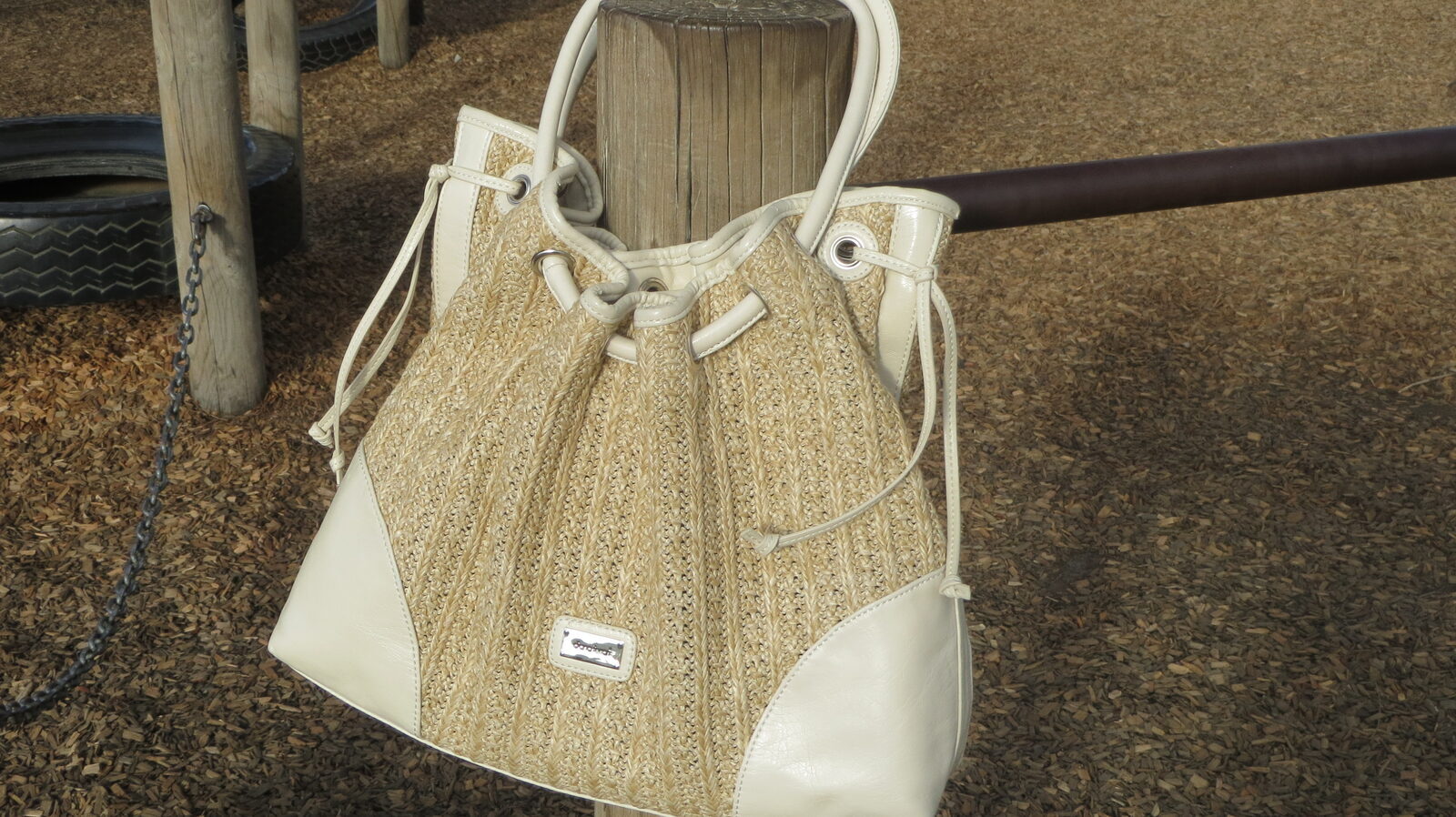
- Handbags: secondhand, every time. Good leather does not care how old it is.
- Anything you need in six sizes and three colours right now: Chadstone, twenty minutes south. That is what it is for, and I say that as somebody who would rather not go.
The markdown game on a strip like this
Independents mark down later than chains and they mark down harder, because they have less storage and less ability to carry stock through to next year. If you can hold your nerve, a strip like Burke Road rewards you in a way a big centre does not.
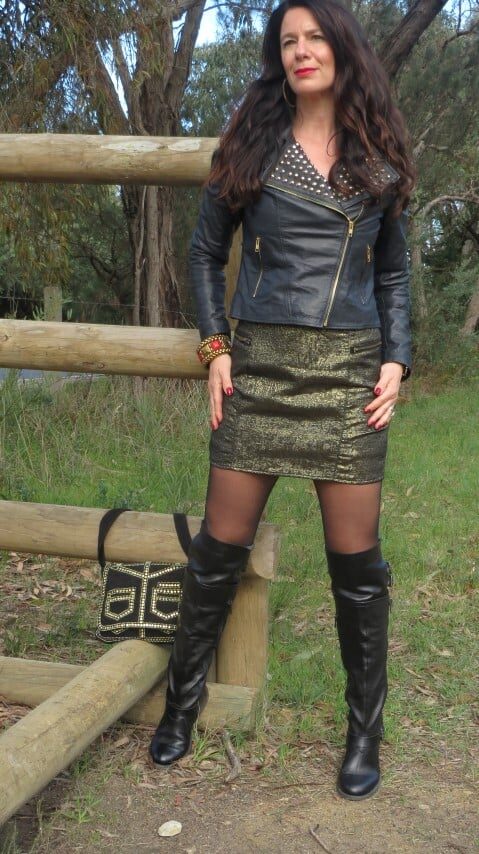
The best example I have of this is not even mine. Mum tried on a pair of honey tan boots at Zu a few years back, $250, and she ummed and ahhed and did not buy them. A week later the price had been slashed and she picked them up for $75. Then she spread the generosity in my direction, which is how I ended up living in a pair of over-the-knee boots for most of that winter.
That is the whole lesson. She did not haggle and she did not find a secret shop. She simply did not buy at full price on the day she first saw them, and she went back.
The turns to watch are late February and late August, as the seasons change, and the week after Christmas. On a strip, you can check three shops in fifteen minutes, which you cannot do anywhere else.
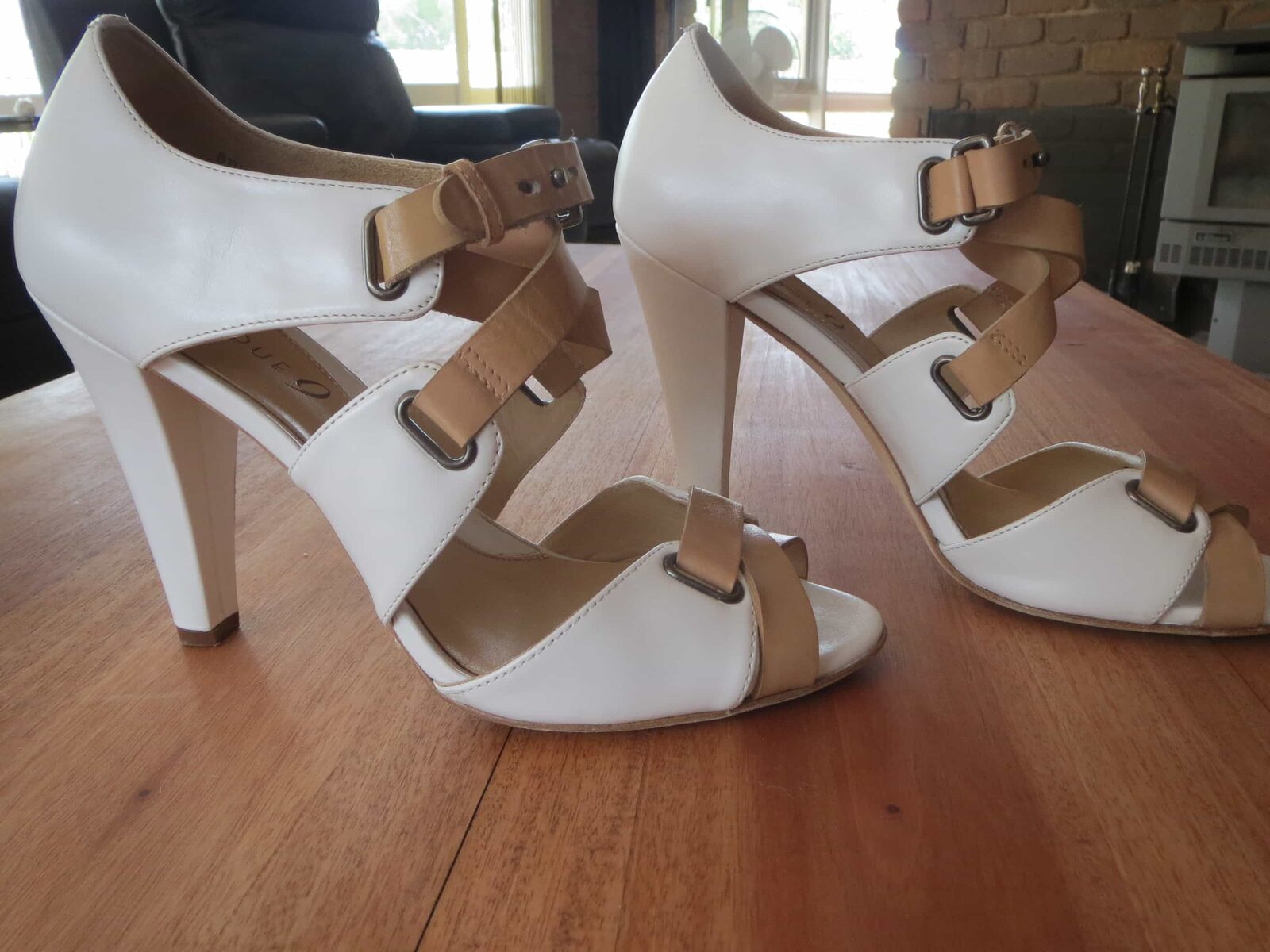
Those were $3 in an op shop. Leather soles, still in their box, with $170 still written on the bottom. That is the other half of the eastern suburbs shopping story, and it is the half most people skip.
The three mistakes I see on Burke Road
Shopping tired. A strip is a walking trip, and by the fourth shop your judgement is gone and you will buy something to justify the afternoon. I am completely serious about this. Go early, eat before you start, and leave when you stop enjoying it rather than when you run out of shops. The strip will still be there.
Buying the near-miss. This is the expensive one. It is almost right. The colour is not quite yours, or it needs a bra you do not own, or the sleeve length is wrong but you will push them up. You take it home because you have been out for three hours and you want something to show for it. That garment will hang unworn for two years and it is the single biggest leak in most wardrobes I open.
Treating the independents like the chains. Walking into a small shop, speed-flicking a rack and walking out is a waste of the best thing the shop has, which is the person standing in it. Tell them what you are looking for and what you own already. They know their stock far better than you can read it off a rail, and they will often go out the back. You are not imposing. That conversation is the entire business model.
None of these are about money. Two of them are about being tired and one is about being shy, and between them they account for most of the bad buying I see in the eastern suburbs.
The op shops, briefly
I will not do the whole argument here because it has its own post, but the quick version is this: Camberwell, Hawthorn and Malvern are the best op shopping in Melbourne, and the reason is who is donating. These are wardrobes being cleared because the owner got bored of something, not because it wore out.
The Camberwell Sunday Market sits in the same category and runs every Sunday morning behind the Junction. I wrote about it properly in the Balwyn post, so I will not repeat myself, except to say go early. The good stalls have been worked over by nine.
For the method rather than the enthusiasm, my guide to op shopping in Melbourne covers how to actually work a rack instead of drifting past it.
How I shop it with a client
A shopping day in Camberwell does not look like a shopping trip. That is the main difference and it surprises people.
We do not browse. We arrive with a list that came out of your wardrobe, not out of a magazine, and most of the day is spent not buying. I will walk you past shops. I will take things off you in the changing room. The point of having somebody with you is not that they find more, it is that they stop you taking home the near-misses, which is where most wardrobe money actually goes.
Camberwell suits this better than a big centre does, because the shops are close enough together that we can go back. If you are wavering on something at eleven, we can see the rest of the strip and return at two. In a centre, going back means a twenty minute walk and you buy it just to avoid that.
Shopping days are $399 for a half day and $649 for a full one, and the half day is enough for Camberwell and Maling Road together.
A personal stylist in Camberwell
Worth saying plainly, because it is what some of you are actually here for.
I work across Camberwell, Canterbury, Balwyn, Kew, Surrey Hills and the rest of the eastern suburbs, in person, with no travel surcharge for the postcode. A wardrobe session happens at your place, in your own wardrobe and your own light, and most of it is spent on clothes you already own rather than on a shopping list. Sessions are $299 for two hours, $549 for four and $799 for six, and there is a full breakdown in what a personal stylist costs in Melbourne.
The honest order of operations is wardrobe first, shopping second. Nine times out of ten the session finds things you forgot you owned and shortens the shopping list rather than lengthening it. Going shopping before you know what is already in there is how people end up with four versions of the same jacket.
The detail of how a session runs is on the personal stylist page.
How I would spend a Camberwell day
If you have one Saturday and you want to do this properly.
Park behind Burke Road, not on it. Start at the station end and walk down, going into the independents and the side streets, buying nothing for the first half hour. Do the chains quickly, near the Junction, and only for things on your list.
Have lunch. Then drive or walk the few minutes to Maling Road and do that slowly, because it is a different pace and rushing it defeats the purpose. If there is one good thing to be bought that day, it will probably be there.
If it happens to be a Sunday, flip it: market first thing, strip afterwards.
The short version
Burke Road for the range and the independents. Maling Road for the one good thing. The op shops and the market for coats, knits, shoes and bags, which is where the actual bargains are. Late February, late August and after Christmas for the markdowns, and the small shops before the big ones.
And walk it once with no money before you walk it with some. You will shop it far better the second time.
If you would rather not work it out alone, get in touch and we will do it together. There is also a broader guide to where to shop for clothes in Melbourne if Camberwell is not your end of town.
And now you’re Looking Good Girls.
“Better a neighbour nearby than a brother far away.” Proverbs 27:10