
I get asked this more than anything else, and almost always in the same shape. Not where can I buy cheap clothes, because everybody knows where the cheap shops are. It is which one is actually any good, and good at what.
That is the real question, and it is the one nobody answers. The cheap end of Australian retail is not one thing. Kmart, Big W, Target and Best & Less are not interchangeable, they are four quite different shops that happen to share a price point, and once you know what each one is genuinely good at you stop wasting money in all of them.
So this is the guide I wish somebody had given me twenty years ago. What to buy where, what to spend a little more on, and what to walk straight past.
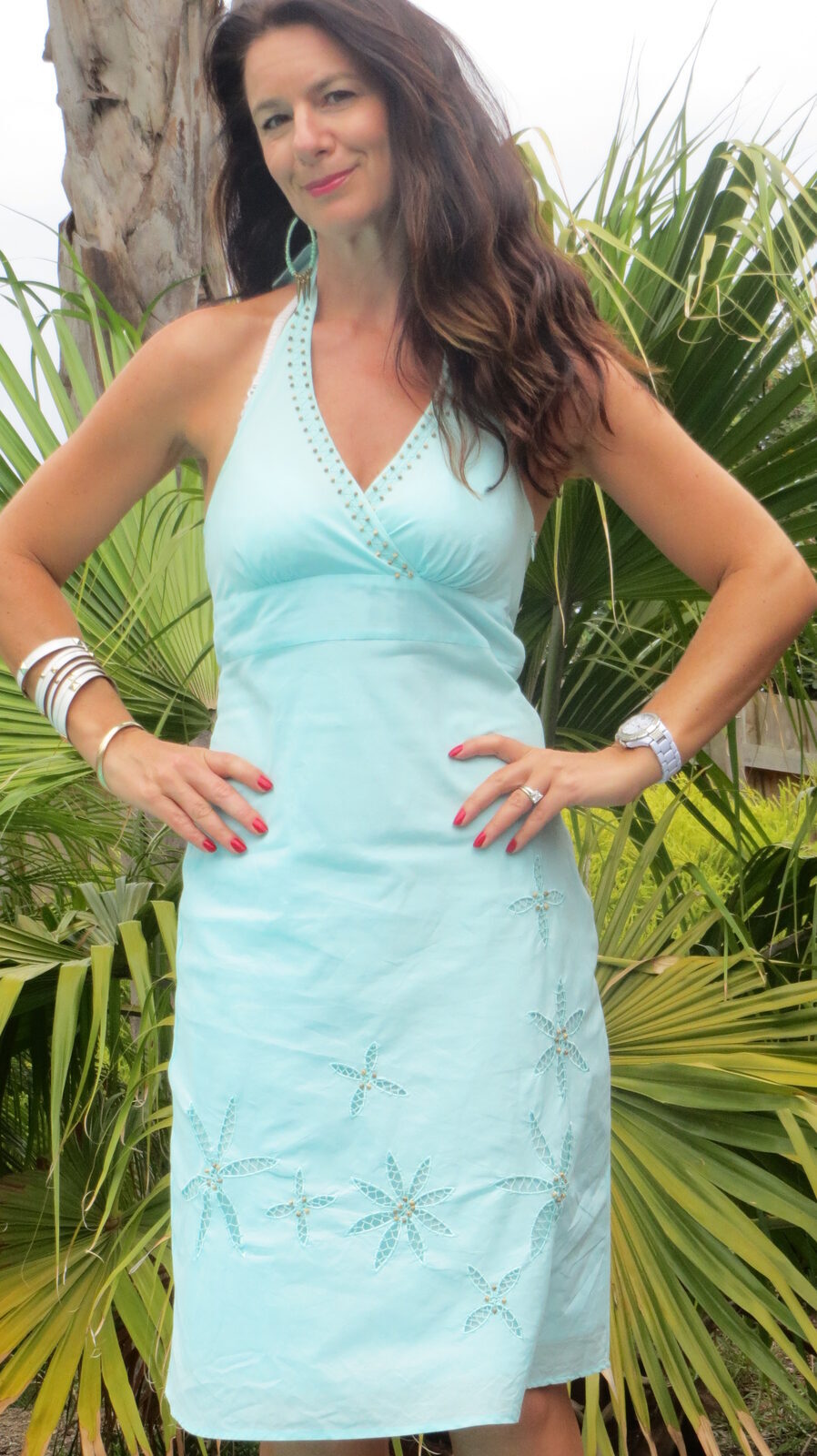
First, what “cheap” means now
A word about the money, because the ground has moved.
When I started this blog in 2012 I was routinely finding dresses for $10 and shoes for under $10, and I was not exaggerating for the internet. Those prices were real and I photographed every one of them. They are not the prices of 2026. A basic tee that was $5 is now closer to $12, and the bottom of the market has lifted with everything else.
What has not changed is the gap. There is still an enormous distance between the cheapest version of a garment and the most expensive one, and most of that distance is not quality. It is brand, rent, and the markup that comes from selling fewer units. The actual difference between a $19 cotton t-shirt and a $90 one is real but small, and it is almost entirely in the weight of the fabric and how the neckline is finished.
Which means the game has never been about finding the cheapest shop. It is about knowing which garments reward spending and which ones do not. That is the whole skill, and it is most of what I teach on a personal shopping day.
Kmart, and what it is genuinely good at
Kmart is the cheapest of the big chains and it has got far better at clothes than it used to be. It is also where most Australian women start, so let me be useful about it.
Buy at Kmart: plain t-shirts, singlets, leggings, trackpants, sleepwear, socks, underwear, kids clothes, and anything you are going to wash twice a week until it dies. These are consumables. You want them cheap because they have a short life no matter what you pay, and Kmart does them at a price where replacing them does not sting.
Do not buy at Kmart: a coat, a blazer, a bra you need actual support from, or shoes you will walk in all day. All four need structure, and structure is the thing that costs money to build. A cheap coat gives up at the shoulders within a season and you can see it from across the road.
The other Kmart trap is volume. It is so cheap that you end up with eleven things you quite like and nothing you love, which is exactly the wardrobe problem I spend my days unpicking. If you want the longer version of that argument I wrote it out in how to shop smarter and stop wasting money on clothes.
Target, the one with the better fabric
Target sits a step above Kmart and I think it is the most underrated shop in the country for a woman over thirty-five.
The cut is more grown-up. The fabrics are generally a little heavier. The dresses have linings more often than they do at Kmart, and a lining is the single most reliable tell of whether something will read as cheap. It is also the chain I have bought from most over fourteen years of writing this blog, and not because anybody paid me to.
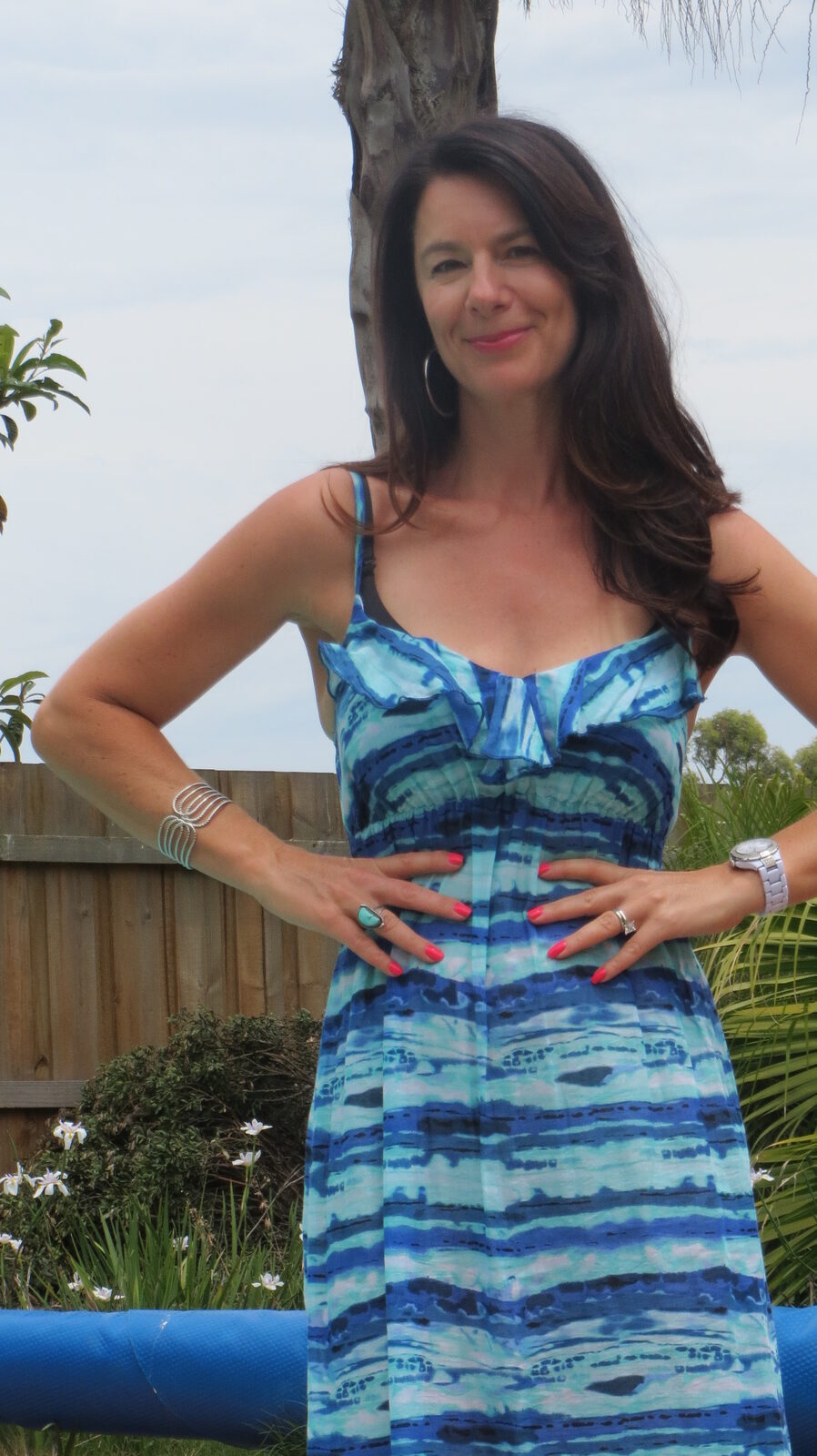
That dress was $10 in a Target post-Christmas sale back in 2011, and I wore it for years. The silver sandals with it were under $20. I am not claiming you will find that price today, but I am claiming the mechanism still works, because I have watched it work every January since.
Buy at Target: dresses, work shirts, knits, denim, swimwear and anything you want to look more expensive than it was. Their end-of-season clearance is the best of the big four, and I will come back to that.
Big W and Best & Less
These two get lumped together and they should not be.
Big W is Woolworths’ department store and it is strongest where it overlaps with the grocery run: basics, kids, sleepwear, and a surprisingly decent school-shoe and sandal range. If you are already in the centre, it is worth ten minutes. It is not somewhere I would make a special trip for a dress.
Best & Less is the specialist of the group. It does not try to be a department store. It is babywear, kids, sleepwear, underwear and plain adult basics, priced low and kept low rather than discounted up and down. That is actually its strength: you are not being played with a “was” price. If you have small children it is probably the best value in the country and it has outlasted a lot of shops that looked healthier than it did.
People often ask me what shops are like Best & Less. The honest answer is that Big W, Kmart and Target are the direct swap on price, and Cotton On or Glassons are the swap if you want the same money spent on something more fashion-led. There is no secret fifth option that everybody has missed.
The under $20 rack, and how to shop it properly
Here is the part people get wrong.
Almost every woman I work with has a clearance habit, and almost none of them have a clearance method. They walk past a rack, something is $9, and it comes home. Three months later it is still in the wardrobe with the tag on, and the $9 has turned into part of the reason she says she has nothing to wear.
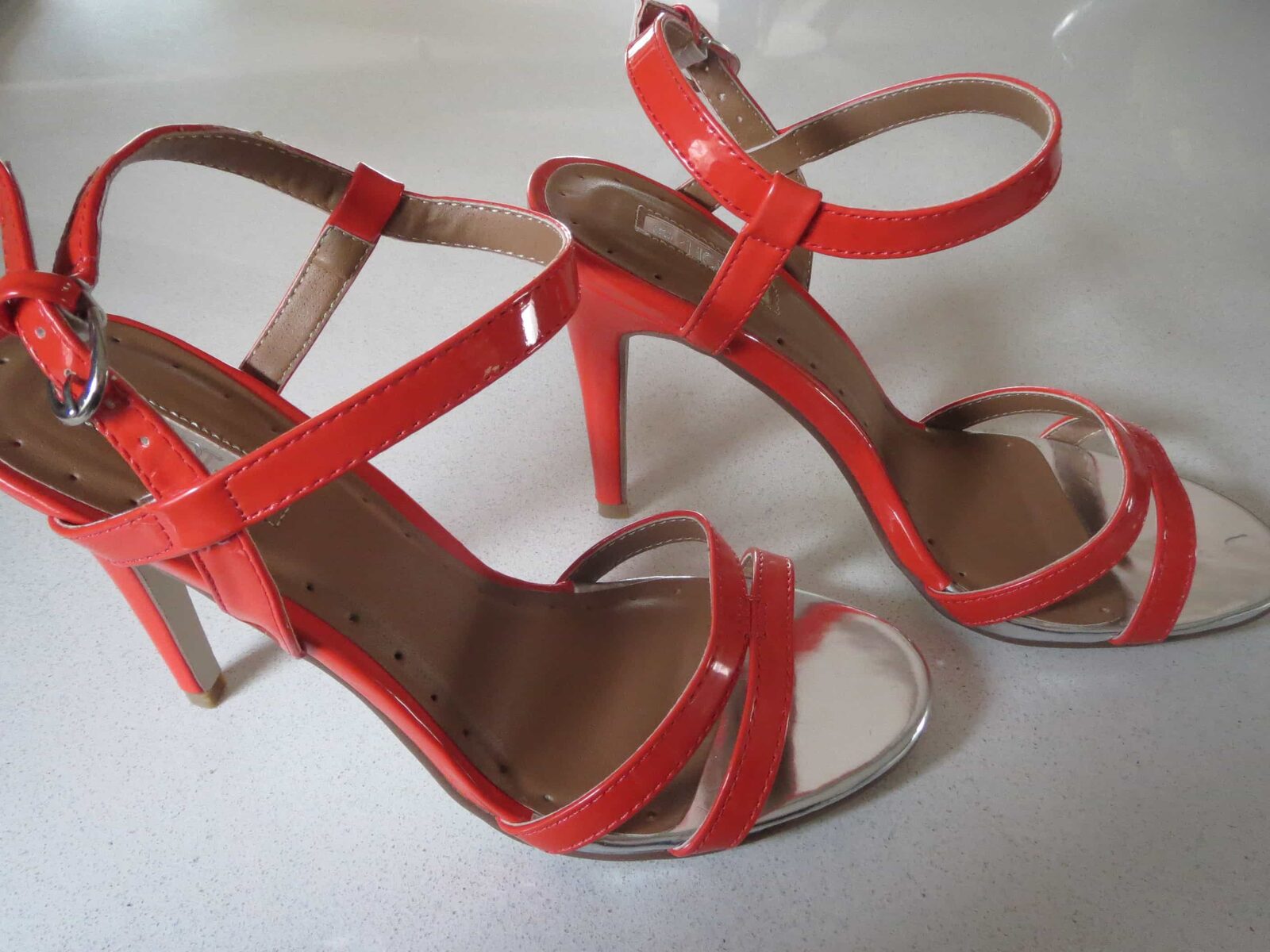
Those were $7 in Target in 2014 and they were one of the best buys I have ever made, because they passed the test. The test is three questions, asked standing at the rack:
- Would I buy this at full price? If the answer is no, the discount has not made it good, it has made it cheap. Those are different things.
- Does it fit me now? Not after the alteration you will never book, not at the weight you were two years ago. Now.
- What do I already own that it goes with? If you cannot name two things in under five seconds, put it back.
A piece that passes all three at $9 is a genuine win. A piece that fails one of them at $9 is a nine-dollar mistake, and nine-dollar mistakes are how people end up with full wardrobes and nothing to wear.
The other half of clearance is timing. The real markdowns land at the turn of the season, which in Melbourne means late February and late August, and again straight after Christmas. That is when I do my own buying and it is when I take clients out if the timing suits.
What to buy where, in one list
If you remember nothing else, remember this.
- T-shirts, singlets, leggings, sleepwear, socks, kids clothes → Kmart, Big W, Best & Less. Cheapest wins. These are consumables.
- Dresses, work shirts, knits, denim → Target, or Cotton On and Glassons if you want it younger. This is the sweet spot where a little more money buys visibly better fabric.
- A coat or a structured jacket → spend. This is the one place I will argue for real money, or for an op shop, where good old coats are plentiful and absurdly cheap.
- Shoes you walk in → spend, or buy last season’s from an outlet. Cheap shoes are a false economy you feel by three in the afternoon.
- Occasion wear you will wear once → hire it, or buy secondhand. Never pay full retail for a garment with a single outing in it.
- Bags → secondhand, every time. The resale apps are full of good leather for less than a new synthetic one.
- Underwear and a proper bra → spend on the bra, save on everything else. A bad bra ruins an expensive outfit faster than anything in this list.
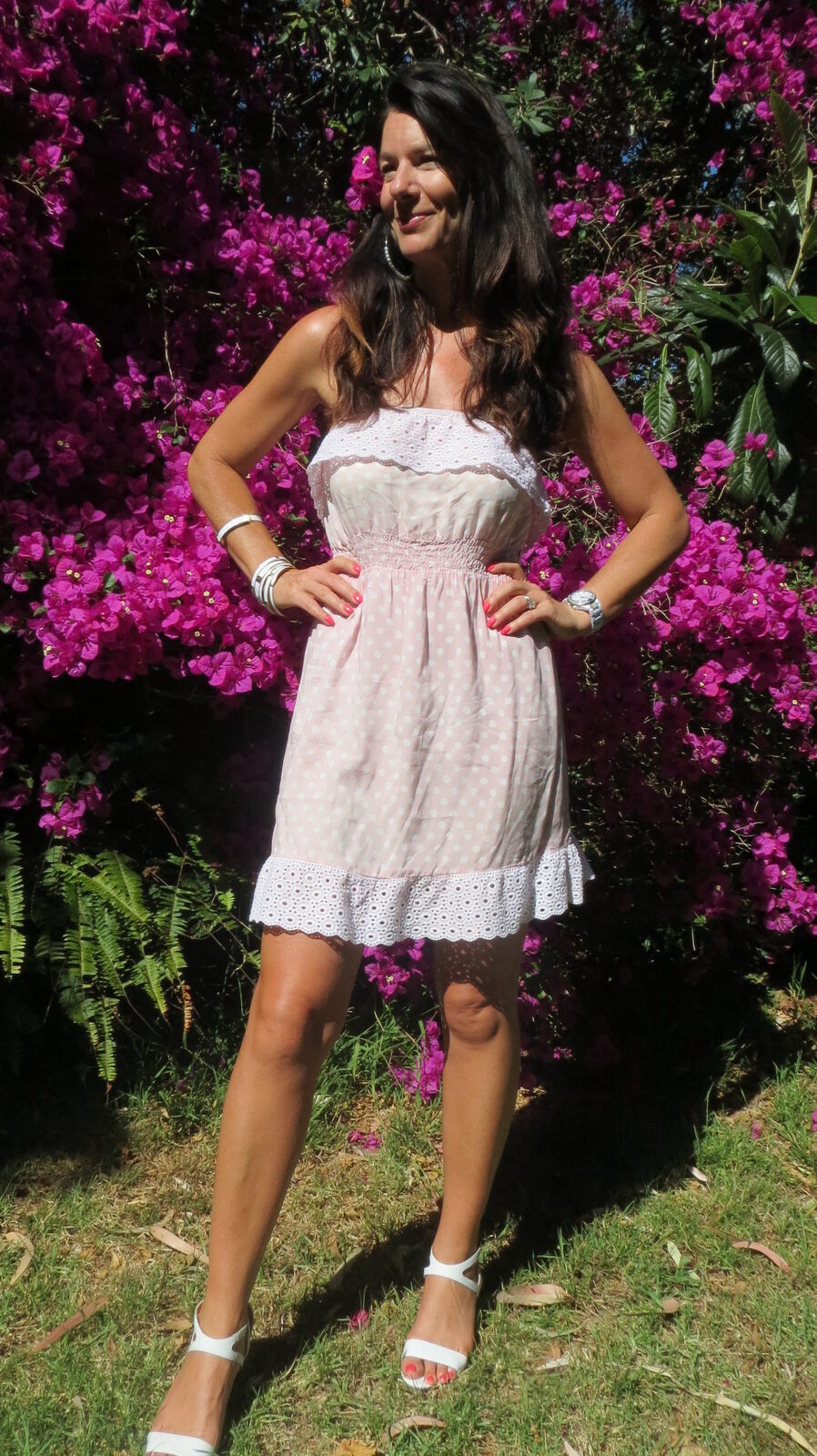
That one was a $10 find on a sales rack in a shop whose name I never even caught, back in 2012, and it is still one of the most photographed dresses on this blog. Nobody has ever asked me what label it was.
Op shops still beat all of them
I would be a fraud if I wrote a guide to cheap clothes and left this out, because the op shops are where I learned everything I know.
Savers, Vinnies, Salvos and Red Cross will sell you a wool coat for less than a Kmart t-shirt. The quality on the rack is often higher than anything new at the same price, because you are buying clothes from an era when they were made better, and because somebody else paid the depreciation.
The trade-off is that you cannot shop an op shop to a list. You cannot walk in needing navy trousers in a 12 and expect to find them. It is a browse, not a mission, and the women who do well out of op shopping are the ones who go regularly and buy nothing most times.
Start with the coats and the knitwear. Natural fibres, good buttons, a lining still intact. That is where the value hides.
The ones that have gone
This is the part of a budget shopping guide that goes stale fastest, so let me be blunt about it.
The last two years have been brutal for cheap Australian fashion. Jeanswest closed its stores in 2025. The Mosaic group collapse took Millers, Katies, Rockmans, Noni B and Rivers with it, and that was a huge chunk of the affordable end of the market, particularly for older women. Ally Fashion and Wittner also went under in 2025. In September 2026 Cue Clothing Co, which owns both Cue and Veronika Maine, went into receivership and continued trading while a sale process ran.
Cue was never cheap, but it matters here for a different reason: it had been going for nearly sixty years. If that can happen to a brand with that much history, do not assume the shop you are planning your Saturday around is still there. Check before you drive.
Kmart, Target, Big W and Best & Less are all still trading as I write this in October 2026, which is a large part of why they are the ones I am naming.
The Melbourne version
Because I am asked this locally too.
For the big four, you do not need to go anywhere special. They are in every major centre and the ranges are nearly identical, so shop the one closest to you and spend the saved hour on something better.
For everything else, Melbourne is genuinely good at cheap. The DFO outlets at South Wharf and Essendon are where last season’s labels go to be affordable. Chapel Street still has the full spread from designer down to bargain. And the op shopping in the inner east and the bayside suburbs is some of the best in the country, because of who is donating.
That geography is half of what you are paying for when you book a personal shopping day with me, which starts at $399 for a half day. Knowing which shop, on which street, at which time of year, is not something you can look up.
The part that actually matters
Here is what fourteen years of this has taught me, and it is not about shops at all.
The women who look expensive on a small budget are not finding better bargains than you. They are making fewer mistakes. They buy less, they buy things that go together, and they get the fit right. That is the entire trick and it is available to anybody.
Fit is the one I would push hardest. A $20 hem on a $30 dress will change it more than $300 more on the price tag would, and almost nobody does it. Find a tailor near you, use them, and watch what happens to clothes you already own. I wrote about this at length in the fit mistakes that make good clothes look wrong, because it is the single biggest gap between how women dress and how they could dress.
And buy to a plan. Not a rigid one, but a plan. If you know the six things your wardrobe is missing, the clearance rack becomes a tool. If you do not, it becomes a hobby that costs money. My capsule wardrobe guide is the version of that plan I give most often, and the 50 affordable fashion brands post is the directory to go with this one if you want the names rather than the method.
If you would rather not work it out alone, that is what I do. A styling session starts at $299 and most of it is spent on clothes you already own, not on a shopping list.
Cheap is not the problem, girls. Careless is. And now you’re Looking Good Girls.
“Don’t wear yourself out to get rich; stop giving your attention to it.” Proverbs 23:4