
Cocktail is the dress code people argue about, and there is a reason for it.
It moved. What the word meant in 1955 and what it means on an invitation in Melbourne next month are two noticeably different things, and nobody sent out a memo.
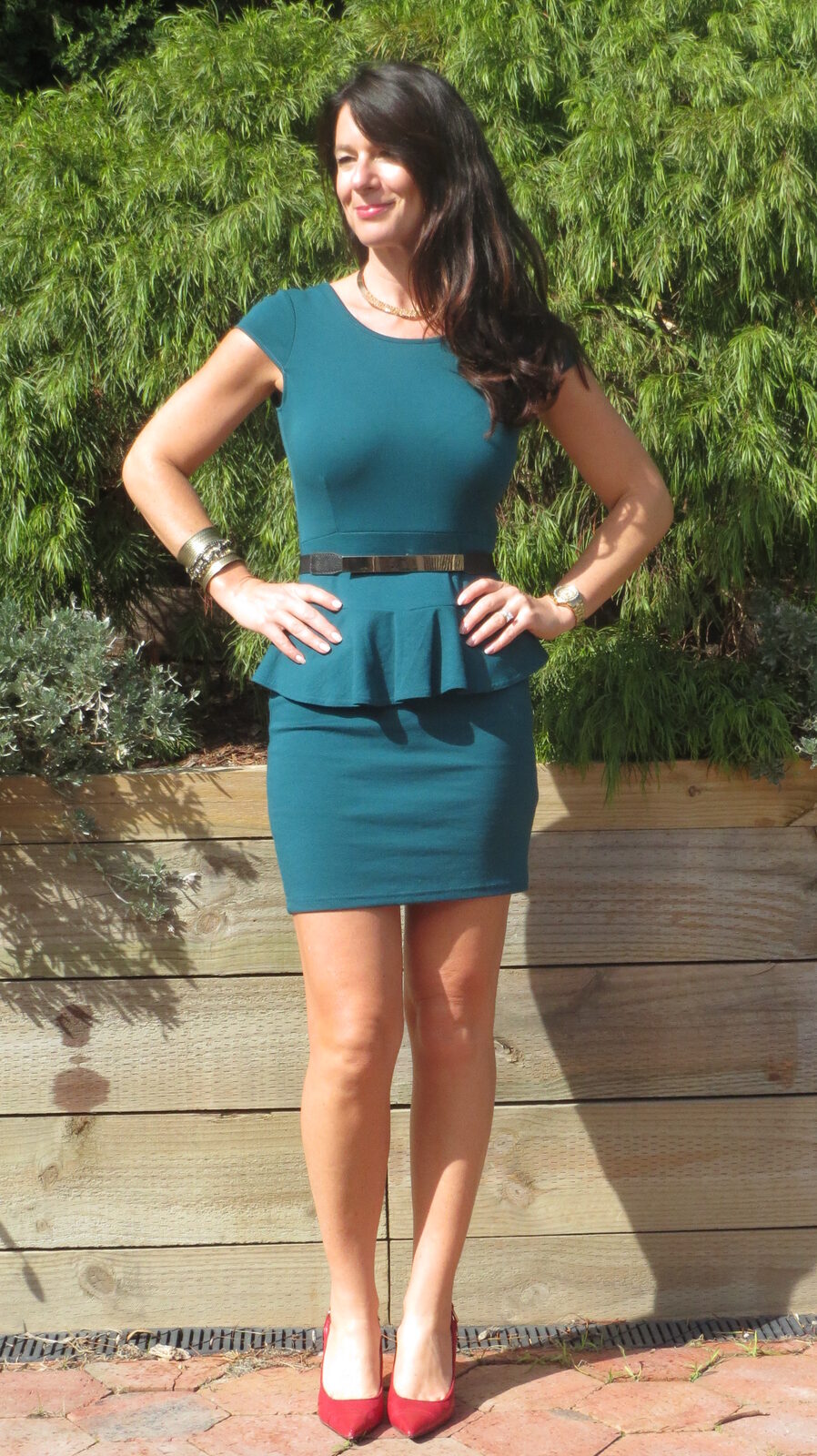
So here is where it actually sits now, what the length is, what the fabric has to do, and how to read it off an invitation that does not explain itself.
Where the code came from, briefly
It is worth thirty seconds, because the history explains the confusion.
The cocktail hour was a real slot in the day: drinks from about six, standing, before dinner somewhere else. Clothes were made for it, and Christian Dior is generally credited with naming the early-evening frock a cocktail dress in the late 1940s, which the Metropolitan Museum sets out properly in its essay on dressing for the cocktail hour.
The hour is gone. The dress code stayed. Which is why it now gets applied to events that run from two in the afternoon until midnight, and why it has stretched in every direction since.
The length question, which is the real question
This is what people actually want to know, so let us do it first.
Knee-length is the original and it is never wrong.
Midi is now equally correct, and at an evening event it often reads better than knee-length, particularly in a heavier fabric.
Floor-length is one step too far unless the invitation also says black tie optional. A gown at a cocktail event is not a disaster, but you will know about it all night.
And short is where it goes wrong. Anything noticeably above mid-thigh stops reading as a dress code and starts reading as a night out, regardless of how good the fabric is.
Fabric is doing all the work
Here is the thing nobody says plainly, and it is the whole code in one line.
The same dress in two different fabrics is two different dress codes.
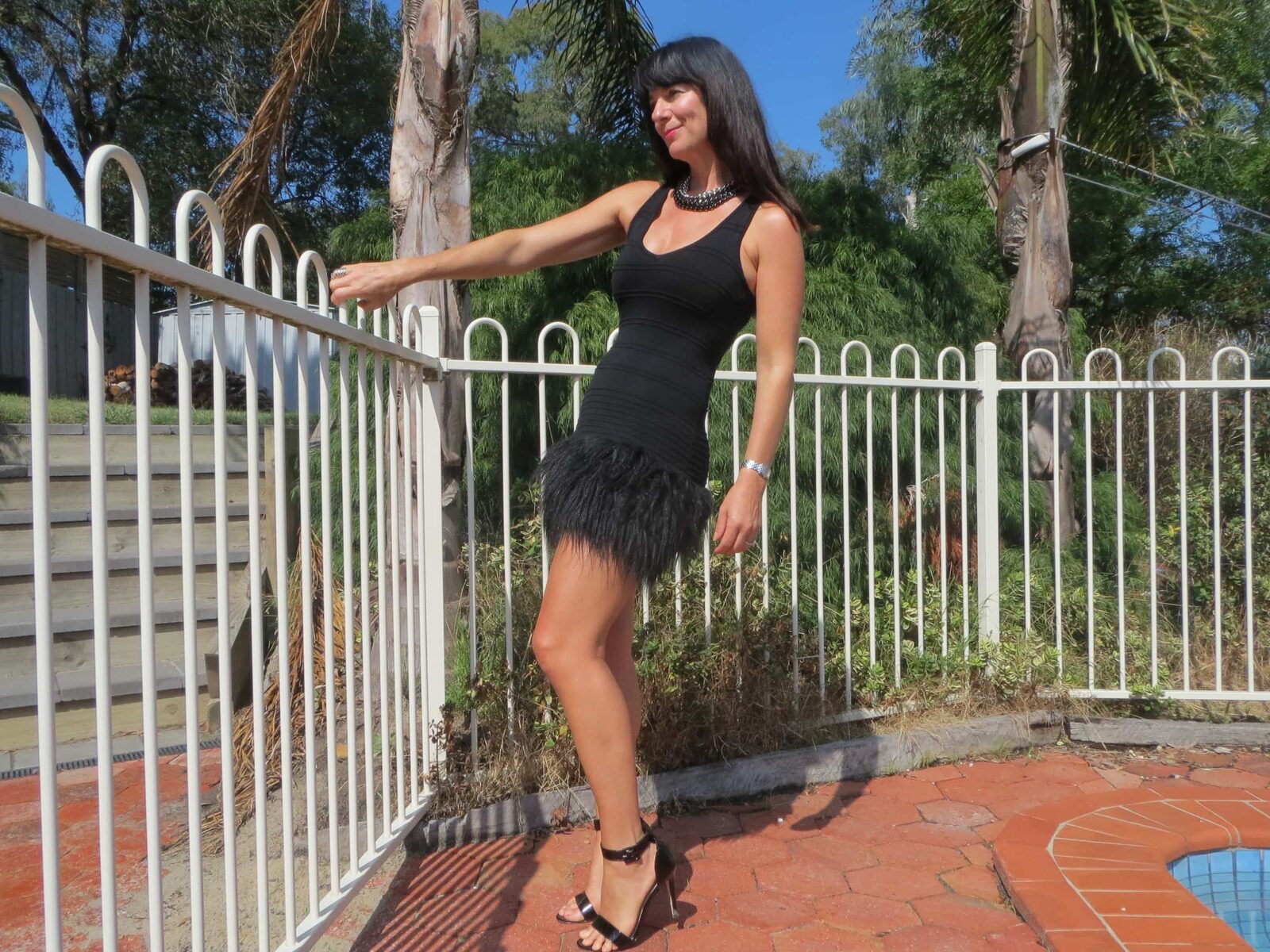
A fitted knee-length dress in cotton jersey is a day dress. The identical shape in crepe, satin, velvet, heavy georgette or anything with a bit of shine is cocktail. Nothing about the cut changed.
So when you are assessing something in your wardrobe, touch it before you look at it. If it has weight, structure or lustre, it is in. If it is soft, matte and comfortable in a T-shirt sort of way, it is not, however smart the shape.
This also means a plain dress plus good fabric beats an interesting dress in poor cloth, every single time, and it is the cheapest upgrade available to anybody.
The code above it and the code below it
Cocktail only makes sense next to its neighbours, so here they are in order.
Semi-formal or dressy casual sits below. A smart day dress, or a skirt and a lovely top, or trousers with a blazer. Good shoes, but daytime cloth is fine.
Cocktail is the next rung. Evening fabric, real jewellery, a proper shoe, knee or midi.
Black tie optional, or formal, is the rung above. A gown is welcome and a very dressy cocktail dress is equally correct. This is the overlap zone where one good dress serves both codes.
Black tie is the top of the ladder and a different purchase entirely.
If an invitation genuinely leaves you between two of these, go up rather than down at anything starting after six, and go down rather than up at anything starting before three.
Read what the men were told
This is the most useful trick in the whole post and almost nobody uses it.
Invitations are usually more specific to men than to women, because menswear codes are older and tighter. So look at the male half of the instruction.
Lounge suit means cocktail. That is the direct equivalent and it has been for eighty years.
Dinner suit, or black tie, means the event is a rung above and you should be dressing accordingly.
Jacket, no tie means semi-formal, and you can relax by one notch.
And smart casual for men means the invitation is not really a dress code at all, in which case work from the venue and the hour instead.
If the invitation says nothing to anybody, the start time does most of the work. Six o’clock and later is an evening event. Two o’clock is not, whatever else it says.
Cocktail in an Australian summer
Most cocktail advice was written for a northern hemisphere autumn, and velvet in Melbourne in February is a genuinely bad idea.
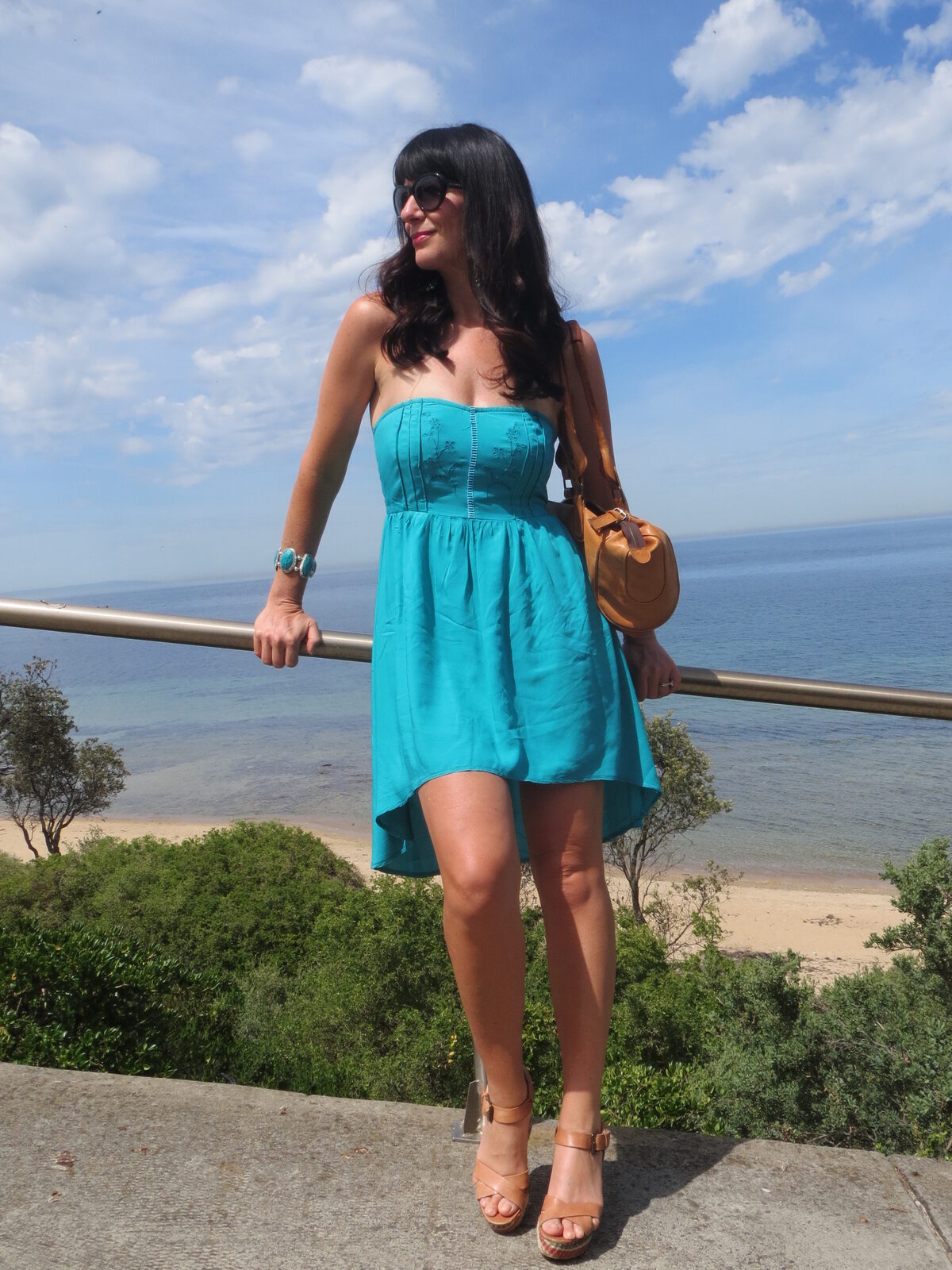
Lighter cloth, same rules. Silk, fine crepe, a good linen blend and a proper cotton with some body all hold the code where satin will have you miserable by eight.
Strapless earns its place here. I wore this aqua cotton dress on a November afternoon when Melbourne hit thirty-two degrees and the whole city was in shock about it, and strapless cotton was the only sensible thing hanging up. That is the one context in which I will argue for it.
Take a wrap that belongs to the outfit. Our evenings fall away much faster than the afternoon suggests, and a good wrap is part of the dress rather than a rescue.
And think about the floor. A great many Australian cocktail events are outdoors on a lawn or a terrace, which is a heel decision before it is a dress decision.
Corporate cocktail, which is its own animal
Awards nights, end-of-year functions, conference dinners, client receptions. The word on the invitation is the same and the brief is not.
You are still at work, and the photographs go into a newsletter.
So take the code and subtract the skin. Cocktail fabric, cocktail shoes, and the neckline and hemline you would be comfortable with at your desk. Nobody has ever regretted that combination.
Structure reads as seniority in that room, which is why a jacket over a cocktail dress works so well at a corporate function and so rarely anywhere else. There is more on that in dressing for seniority.
Daytime cocktail is a different dress
It sounds like a contradiction and it is increasingly common: a two o’clock start, a marquee, an afternoon reception.
Lighter colours, lighter fabrics, and no sequins before dusk. Daytime sparkle is the single most reliable way to look as though you dressed for the wrong event.
A hat or a fascinator only if it is a racing marquee, where the rules are their own thing entirely and I have written them out in the spring racing dress codes.
And a jacket or a light coat does a lot in daylight, where every seam is visible in a way it simply is not at night.
Trousers, jumpsuits and separates
A great many women would rather not be in a dress, and the code accommodates them entirely.
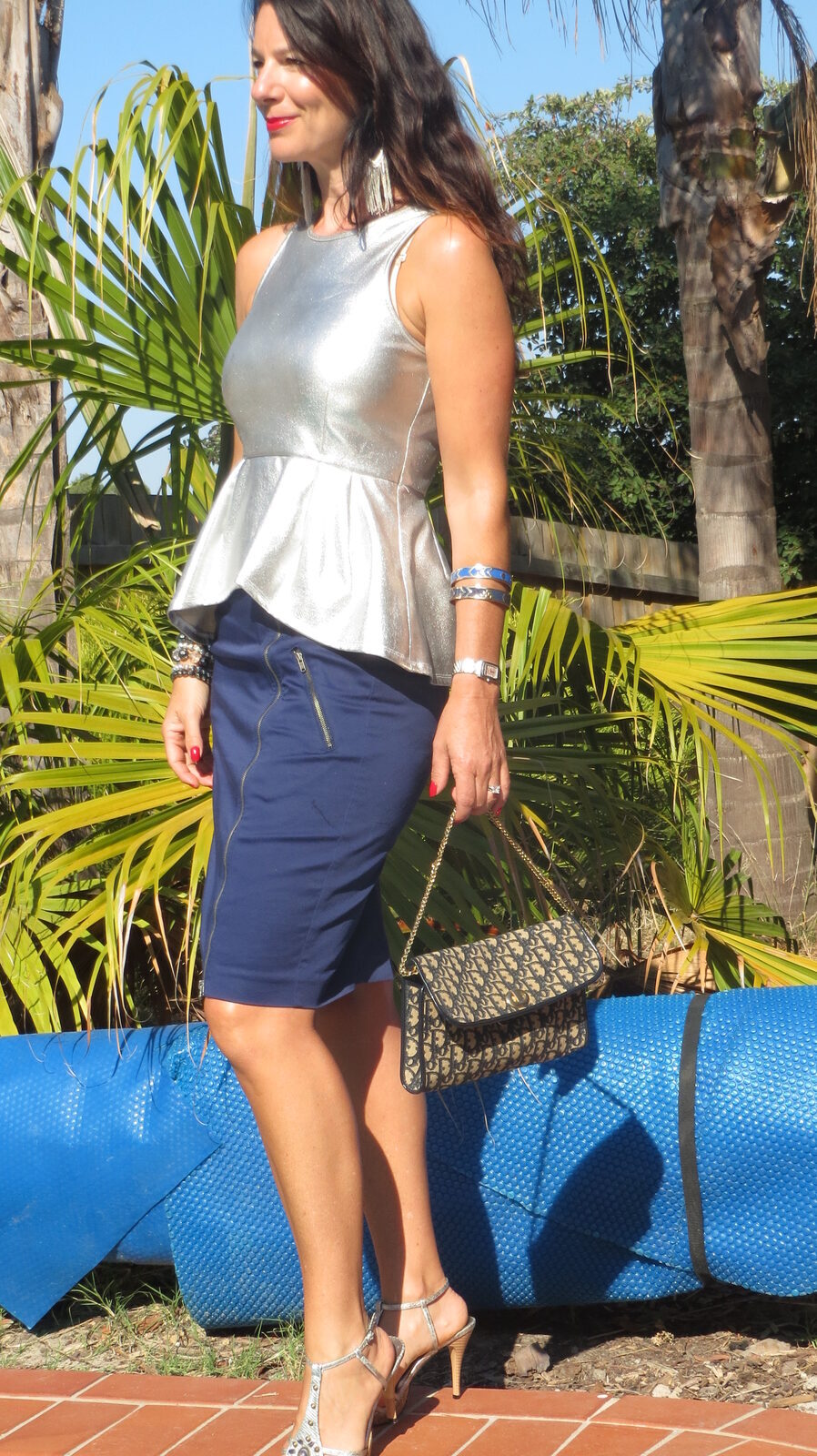
Separates in evening cloth. A metallic or satin top with a good skirt is completely correct and considerably more comfortable than a dress.
A jumpsuit in crepe or satin, which now reads as dressed rather than as an alternative to being dressed.
Tailored trousers in a proper fabric with a fine knit or a silk top. The fabric is what makes this cocktail rather than work, which is the same test as everything else in this post.
And a good jacket over any of it, which is the most underused move in occasion dressing.
Shoes, bag and jewellery
The three things that turn a dress into the dress code.
The shoe finish matters more than the shoe height. Satin, patent, metallic or suede in good condition reads correctly at any heel height. A scuffed stiletto does not, and everybody can see it.
A kitten heel or a block heel is entirely legitimate at a cocktail event, and you will be standing for most of it.
A small bag, because the code is descended from an event where nobody sat down and nothing had to be carried.
And real jewellery, or good costume jewellery that looks like it. This is where a plain dress becomes an outfit, and the single most common shortfall I see is three tiny delicate pieces where one substantial one was needed. If you have never sorted out which metals and colours actually flatter you, that is worth an hour.
Colour, since black is not compulsory
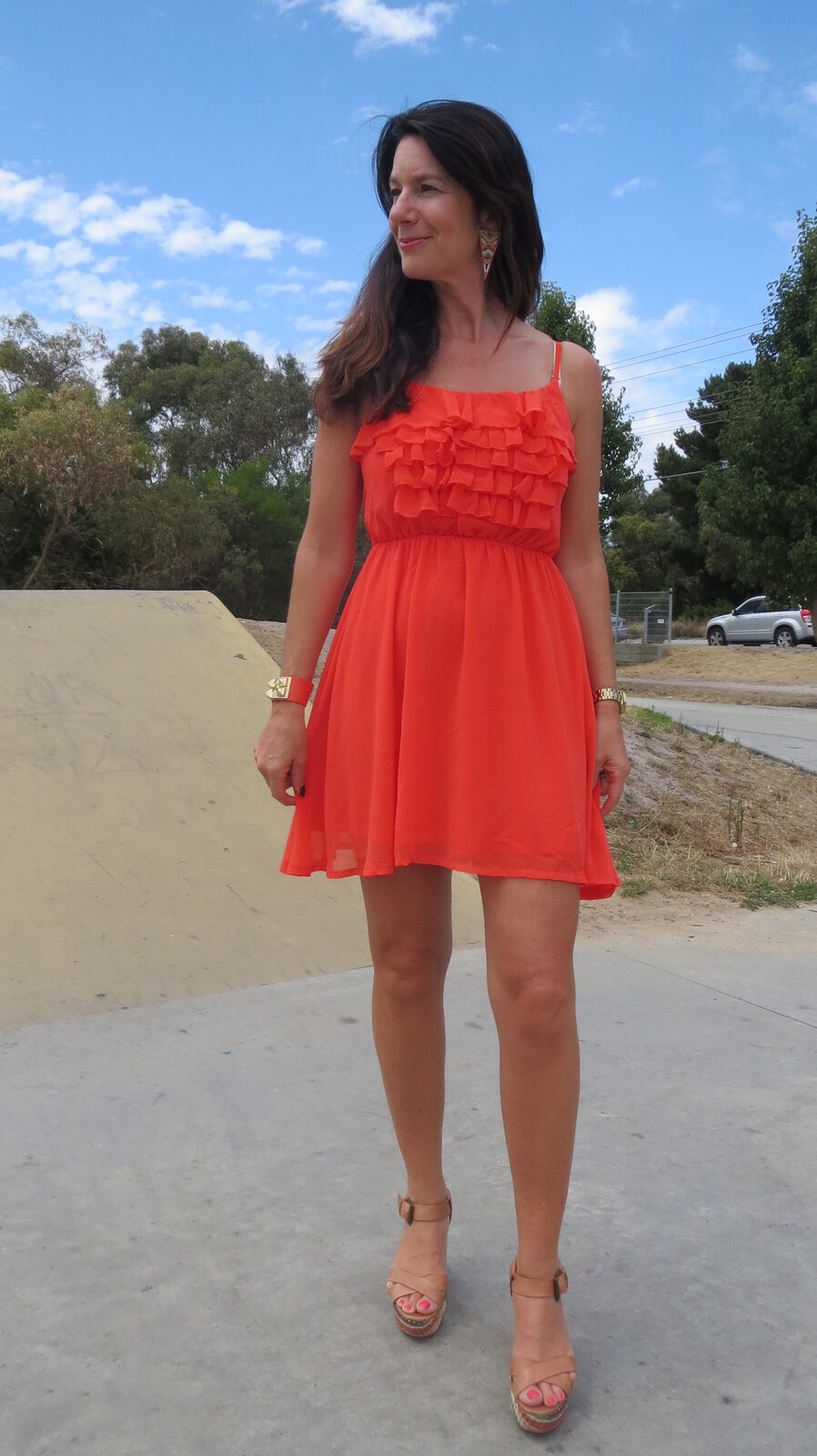
Black is the default and it is not the rule. It is simply the easiest evening colour to buy.
Jewel tones are what cocktail was built for. Emerald, cobalt, ruby, deep berry, plum. They photograph beautifully at night and they are far more memorable than another black dress.
Metallics count as neutrals after six, which is a useful thing to know when you are trying to make one outfit stretch.
Buy it or hire it
Different answer from the one you get for black tie, and worth being clear about.
Cocktail is the code worth owning. You will be invited to four or five of these a year, forever, and a gown you might wear once every three years is the opposite case.
So buy one good dress in a good fabric in a colour that suits you, in a shape you can wear at thirty-five and at fifty-five, and change what goes with it. That one purchase will outlast every trend it sits through.
Op shops are extraordinary for this, because occasion wear arrives there barely worn. Ask anybody who has ever found a silk dress with the tags still on.
And alter it. A $90 dress that fits your shoulders reads better than a $600 one that does not, and a tailor will fix the straps and the hem for the price of a couple of drinks.
If you realise in the car that you have misjudged it
It happens to everybody once, and there is more you can do about it than you think.
If you are underdressed, the fix is jewellery and the shoes, in that order. A substantial necklace or earrings will lift a plain dress further than anything else available to you in a car park, and there is a reason so many women keep a spare pair of good earrings in the glovebox.
If you are overdressed, take something off rather than adding. The jacket, the second bracelet, the statement piece. A gown reads far less formally without the jewellery doing the announcing.
And then let it go. Nobody has ever remembered the guest who was slightly too dressed. They remember the one who spent the evening apologising for it.
The short version
- Cocktail means dressy but not a gown. Knee or midi, evening fabric, proper shoes.
- Fabric decides the dress code, not the cut. Touch it before you judge it.
- Semi-formal below, black tie optional above. Go up after six, down before three.
- Read what the men were told. Lounge suit means cocktail.
- In an Australian summer, lighter cloth and a wrap that belongs to the outfit.
- Corporate cocktail is the code minus the skin.
- No sequins before dusk.
- Separates, a jumpsuit or trousers in evening cloth are all correct.
Cocktail is the only dress code that comes round again and again. Weddings, fortieths, awards nights, the end-of-year function, somebody’s engagement, and every one of them lands with three weeks’ notice and the same rummage through the wardrobe. It is worth solving once instead of six times, which is precisely the kind of afternoon a personal stylist in Melbourne is for, $299 for the two hours, working out what you already own that qualifies and what one purchase would finish it. If that purchase turns out to be the whole outfit, take the $399 Melbourne personal shopping half day and buy properly once, because this is the dress you will still be wearing in 2032.
Now go and touch the fabric of the three dressiest things you own.
And now you’re Looking Good Girls.
“And over all these virtues put on love, which binds them all together in perfect unity.” Colossians 3:14.