
Most people do not pack badly. They pack for the wrong holiday.
They pack for the version in their head, where there are four dinners out, a day that calls for the good sandals and an evening that calls for the silk thing.
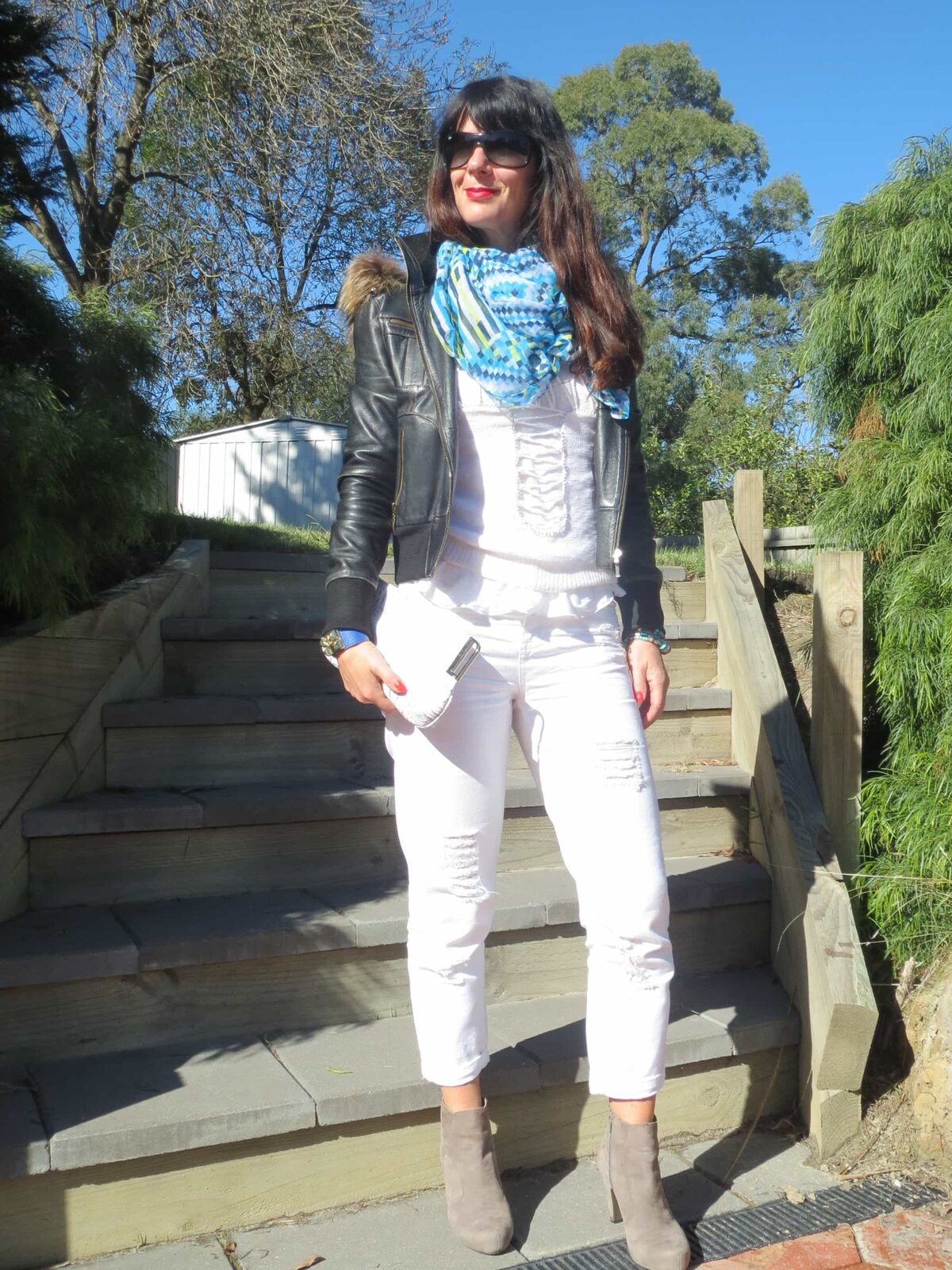
Then they live the actual one, which is mostly walking, mostly casual, colder than expected in the evenings, and has one nice dinner in it rather than four.
Everything below is about closing that gap.
Pack for a week, whatever the length
The single most useful rule, and the one people resist hardest.
Seven days of clothes covers a fortnight. It covers three weeks if you are relaxed about it. You do one load of washing somewhere in the middle and the whole problem disappears.
Almost every holiday has a washing machine in it, in the apartment, at the hotel, or in a laundromat two streets away that costs about as much as a coffee.
Doubling the clothes does not double the outfits. It doubles the weight, the unpacking and the standing in front of an open case deciding.
And you will wear perhaps sixty per cent of what you take. Everybody does. Packing for a week is just being honest about it in advance.
Choose the colours before you choose the clothes
This is the part that makes a small bag feel large.
Pick two neutrals and one or two accent colours, then let nothing into the case that falls outside them. Navy and white with coral. Black and stone with olive. Whatever suits you.
Everything then goes with everything, which is the entire trick, and it is why a fifteen-piece case can produce three weeks of outfits while a twenty-five piece one produces nine.
The reasoning behind it is the same as a capsule wardrobe at home, which I have set out properly in the capsule wardrobe guide, and the method for counting combinations rather than garments is in building outfits from what you own. A suitcase is just a capsule with a weight limit.
Test it before it goes in the bag. Lay everything on the bed and physically pair it up. Anything that pairs with only one other item either comes out or earns its place as the one dressy thing.
Shoes, which is where the weight is
Three pairs. You will want to argue and you will be wrong.
One comfortable walking shoe, worn on the plane, because it is the heaviest.
One dressier flat or low heel for dinners.
One sandal, thong or boot depending on where you are going.
That is it. Shoes do not compress, they are the heaviest thing per unit of usefulness in any bag, and the fourth pair comes home unworn from almost every trip anybody has ever taken.
One-piece outfits do the heavy lifting
A dress or a jumpsuit is a complete outfit that takes the space of a top.
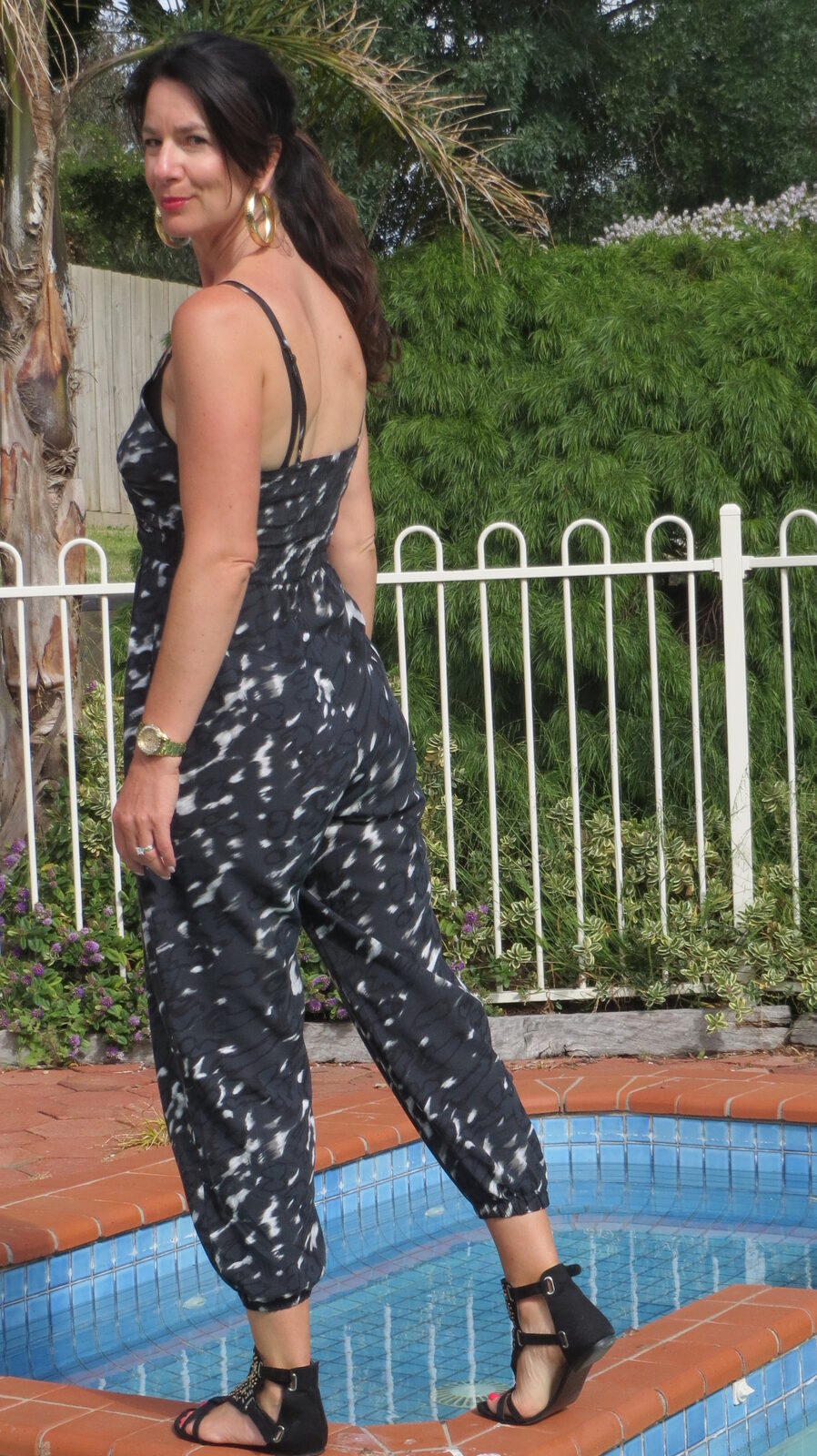
They are also one decision rather than three, which matters more than you expect on day nine when you are tired.
I have an Angel Biba jumpsuit that cost me twenty dollars from my Brighton boutique lady years ago and it has been on more trips than most of my luggage. One piece, no thinking, works with flat sandals in the day and better shoes at night.
Two dresses or one dress and one jumpsuit is the right number for a week.
The one thing that handles both climates
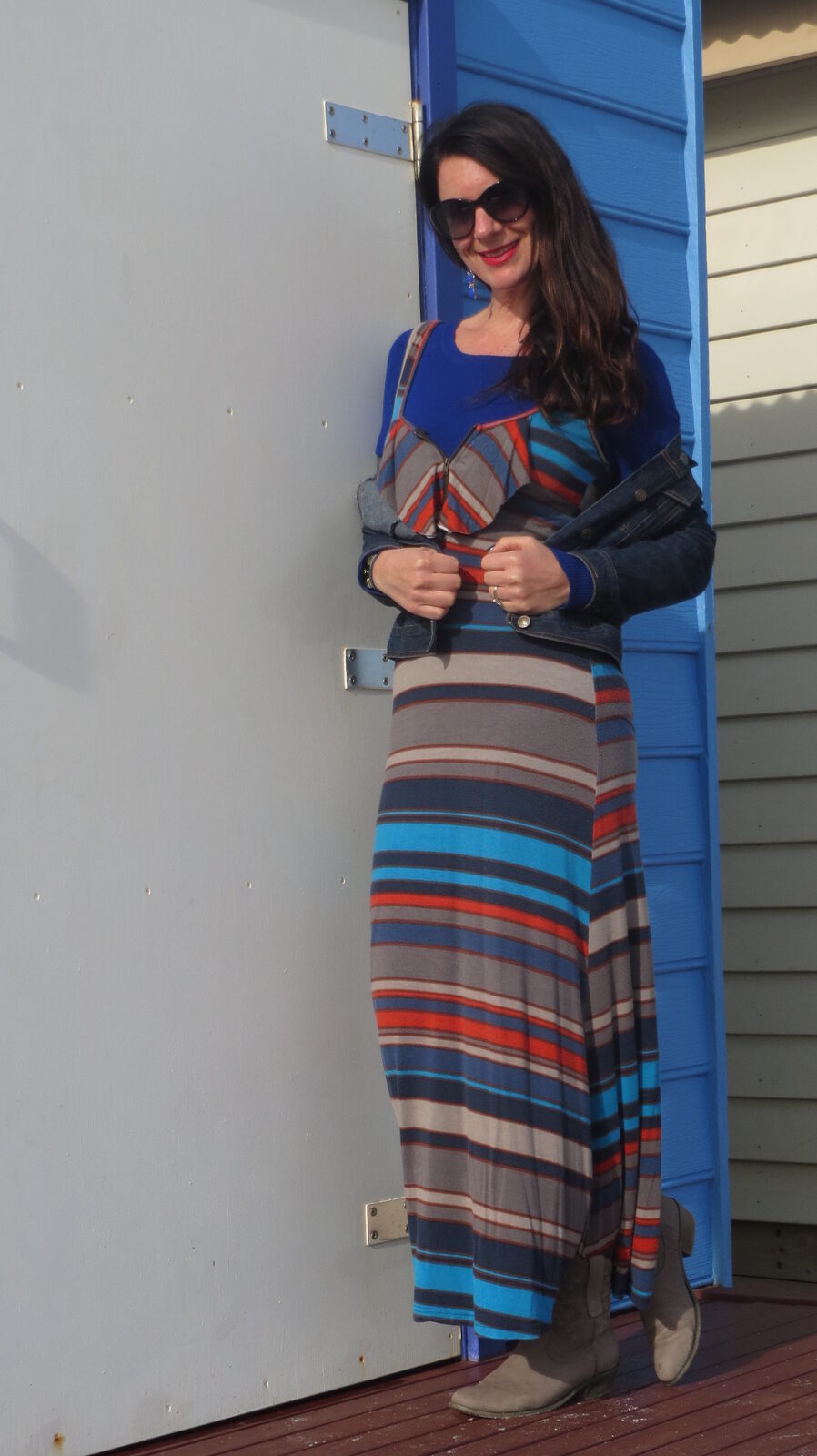
A maxi or midi dress with a knit over it is two outfits, and it is the trick that gets a summer wardrobe through a cold evening without packing a second wardrobe for it.
Layer rather than duplicate. A long dress plus a cardigan plus a jacket is three garments covering a twenty degree range. Two separate outfits for hot and cold is six garments covering the same ground.
And a scarf is the most efficient thing you can put in a bag.
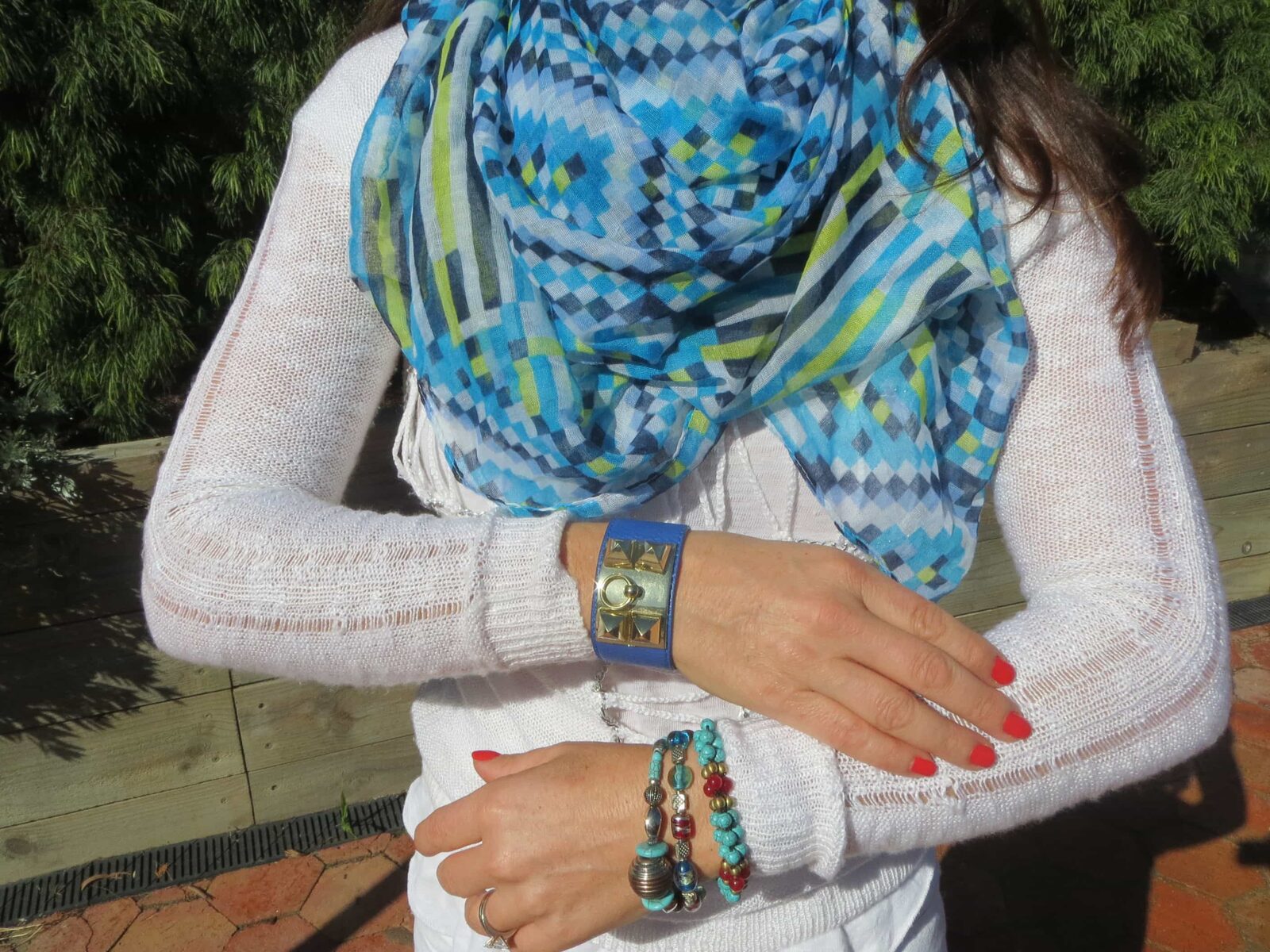
It changes an outfit, it covers your shoulders in a church, it is a blanket on a plane, it is a beach wrap, and it weighs nothing. If I could take one thing it would be this.
Australians have a harder job than most
Worth saying, because most packing advice is written for people flying within one hemisphere.
We travel into the opposite season. Leaving Melbourne in July means arriving into an Italian summer, so you are packing a wardrobe you cannot test by stepping outside, from a cupboard currently full of coats.
And our domestic range is enormous. Melbourne to Cairns in the same week is a bigger climate change than London to Athens. Packing for a trip that includes both is genuinely two wardrobes unless you build it around layers.
So check the forecast for the week you are actually going, not the average, and do it about four days out when the forecast means something.
And remember that Melbourne will be waiting when you get back. The jacket you did not want to carry is the one you will want at Tullamarine at six in the morning.
What to wear on the plane
Free weight, if you use it properly.
Wear your heaviest shoes and your bulkiest layer. They weigh nothing on your body and a great deal in a case that is being weighed.
Soft at the waist and the ankle. Long flights swell feet and nobody has ever regretted a loose waistband at hour eleven.
A long cardigan or a big scarf doubles as a blanket, and aircraft blankets are thin and in short supply.
Something with pockets, for a passport and a phone, so you are not opening the overhead bin every time you move.
The cabin bag, even when you check one
Assume for a moment that your checked bag will not arrive at the same time you do.
Medication, all of it. Non-negotiable.
One complete change of clothes, including underwear.
Chargers, documents, glasses, valuables and anything irreplaceable.
Know your weight limit before you pack, not at the gate. Qantas allows 23 kilograms checked in economy, which their baggage pages set out in full. Cabin bags are the inconsistent part: Jetstar holds at 7 kilograms, Virgin moved to 8 in February 2026, and Qantas allows 10 on most domestic services but 7 on the smaller QantasLink aircraft. Pack to 7 and the question never comes up.
Toiletries, the other weight problem
Second only to shoes, and far easier to fix.
One hundred millilitres per container in the cabin, all of it in a single clear bag. That rule has not changed and gate staff do not negotiate.
Decant everything. Small bottles from the chemist cost very little and turn a wash bag from four kilos into one.
The accommodation has soap, shampoo and conditioner, almost without exception, and you do not need to carry three weeks of your own unless your hair is particular about it.
Take the one thing you cannot replace and buy the rest there. Sunscreen and toothpaste exist in every country.
And put it all in a bag that stands up, because most bathrooms on holiday have about as much bench space as a shelf.
Travelling with children
Different arithmetic entirely, and I have done a lot of it.
More changes for them, fewer for you. That trade is the whole thing, and resisting it is how parents end up with four bags.
Everything they wear should be washable and forgettable. Holidays involve sand, gelato and falling over.
One nice outfit each, for the one dinner, and no more.
Pack their things in their own cube or bag, so a hotel room does not become a single pile by the second morning.
And the snacks, the chargers and the spare shirt live in your bag, not the case. The case is in the hold precisely when you need all three.
Rolling, folding and cubes
Briefly, because this gets far more attention online than it deserves.
Roll the soft things. Jersey, knitwear, casual trousers, pyjamas.
Fold the structured things and lay them flat on top. Shirts, tailoring, anything with a collar.
Packing cubes are worth it, though not for the reason people claim. They save very little space. What they do is stop the bag turning into a single compressed mass by day three, which is the actual problem.
Shoes go in bags, around the edges, with socks inside them.
And leave a third of the bag empty if you intend to buy anything at all. People forget the return journey has more in it than the outward one.
One smart thing, and one only
Nearly everybody gets this wrong in one direction or the other.

Take one outfit that would survive a good restaurant. A dress that does not crease, or a top that lifts the trousers you already packed, with the dressier shoes you already have.
Not four. The imagined holiday has four dinners out. The real one has one, and a lot of eating where you are staying.
Take a little jewellery, and keep it simple. A pair of good earrings and one necklace will shift the same dress from a market in the morning to a restaurant at night, they weigh nothing, and they are the cheapest change of outfit you can carry.
But do not take none either, because the invitation always comes. A wine tasting, a birthday you did not know about, somebody’s upgrade to the nice place. Emergency shopping on holiday is expensive, rushed and almost always regretted.
What not to buy before you go
Nothing you have not worn. New shoes on a walking holiday is the oldest mistake there is and it costs you a day of the trip and a heel.
No holiday-only clothes. The kaftan you will wear twice and never again is a souvenir you bought in advance.
Buy early if you must buy, and wear everything at home first, so the problems turn up where your own wardrobe and a tailor are.
The actual list, for a week
Five bottoms. Two of them jeans or trousers you can walk in all day.
Seven tops, all of which go with all five.
Two dresses, or one dress and a jumpsuit.
Two layers. A cardigan or knit, and a jacket.
Three pairs of shoes, one worn on the plane.
One scarf. Two if they are light.
Underwear and socks for a week, plus swimmers if relevant.
One smart outfit, assembled from the above wherever possible.
And a bag that works in the evening, which is the thing most often missing.
The short version
- Pack for a week however long you are going. Do one load of washing.
- Choose two neutrals and an accent, and let nothing else into the bag.
- Three pairs of shoes. Wear the heaviest.
- Dresses and jumpsuits are one decision and one garment.
- Layer instead of packing two wardrobes.
- Wear your bulkiest things on the plane.
- Medication, a change of clothes and chargers in the cabin bag.
- One smart outfit. One. But do not take none.
Here is what packing really tells you. If filling a suitcase is hard, the problem is almost never the suitcase. It is a wardrobe where things do not go with each other, and a holiday is just the first time you have been forced to notice. The fix is not a better packing method, it is a wardrobe where most things combine, and that is a morning’s work with somebody standing in it beside you. A personal stylist in Melbourne charges $299 for the two hours. Do it before the trip rather than after, and the packing takes twenty minutes.
Now go and lay it all out on the bed and put a third of it back.
And now you’re Looking Good Girls.
“The Lord will watch over your coming and going both now and forevermore.” Psalm 121:8.