
If you have landed here quickly, and for a sad reason, I am sorry.
Here is the answer first, so you do not have to read the rest unless you want to.
Something dark, plain and comfortable, covered at the shoulder and around the knee, with a layer you can put on and take off. Then do not think about it again.
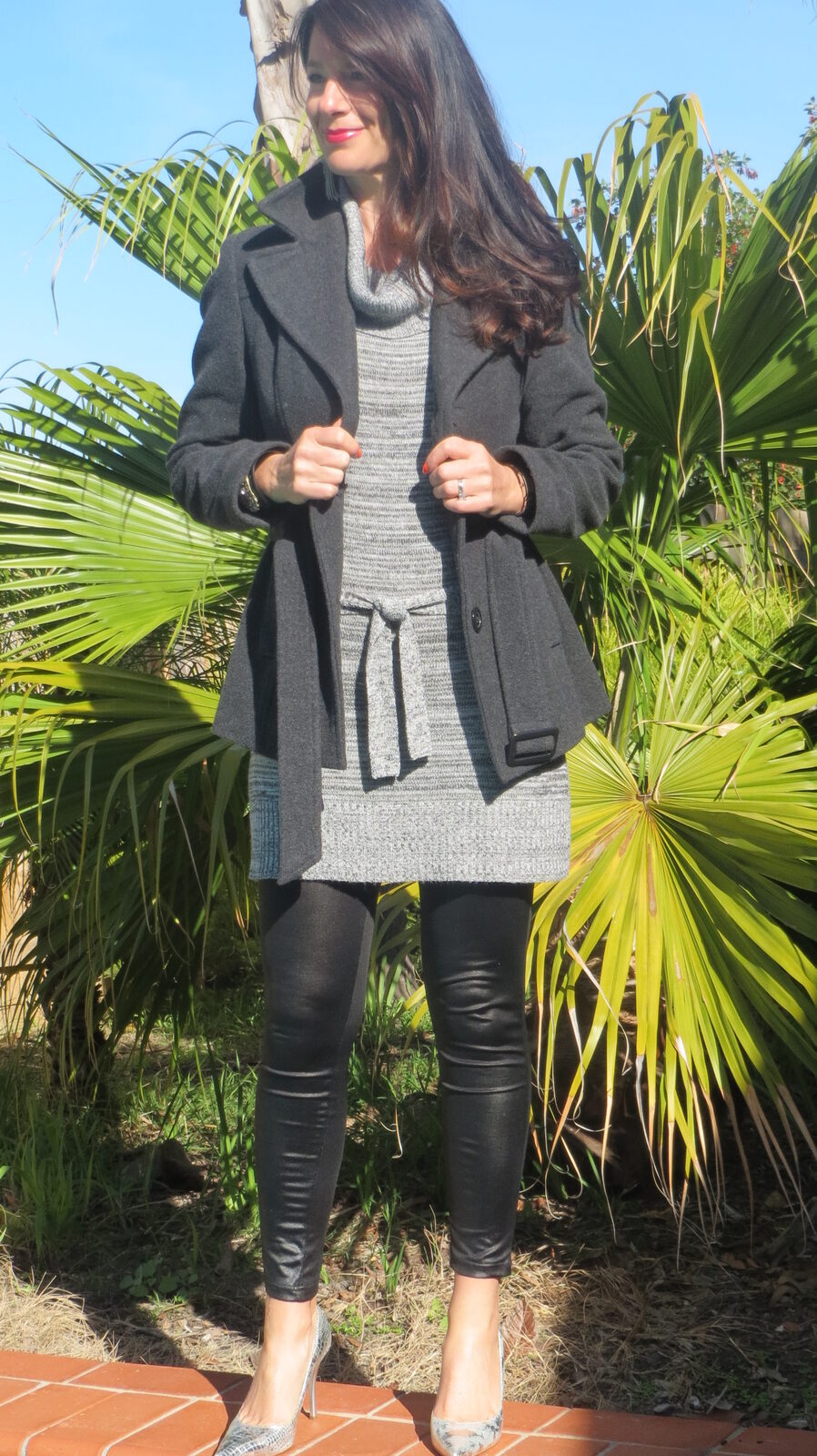
That is genuinely the whole thing. Funeral dressing has one purpose, which is to let you be present for somebody without your clothes taking up any of the room. Everything below is detail.
First, check what has been asked
Before anything else, read the notice or the message again.
Many families now ask for something specific. A colour. A football team. No black. Bright shirts, because he would have hated a room of suits. These requests are made deliberately and usually mean a great deal, so follow them.
If you are unsure who to ask, ask whoever sent you the details rather than the immediate family. They will know, and it spares the family a question on the worst week of their lives.
If it is a religious service, covered shoulders and knees are expected in most traditions and appreciated in all of them. Some will ask for a head covering, which will be stated.
And if nothing at all has been said, the default below is safe everywhere in Australia.
The default, when nothing has been said
A dark dress, or dark trousers with a plain top. Navy, charcoal, deep grey, black.
A jacket or cardigan over it. This does more work than anything else in the outfit. It covers the shoulders, it handles a cold chapel, and it gives you something to take off at the wake.
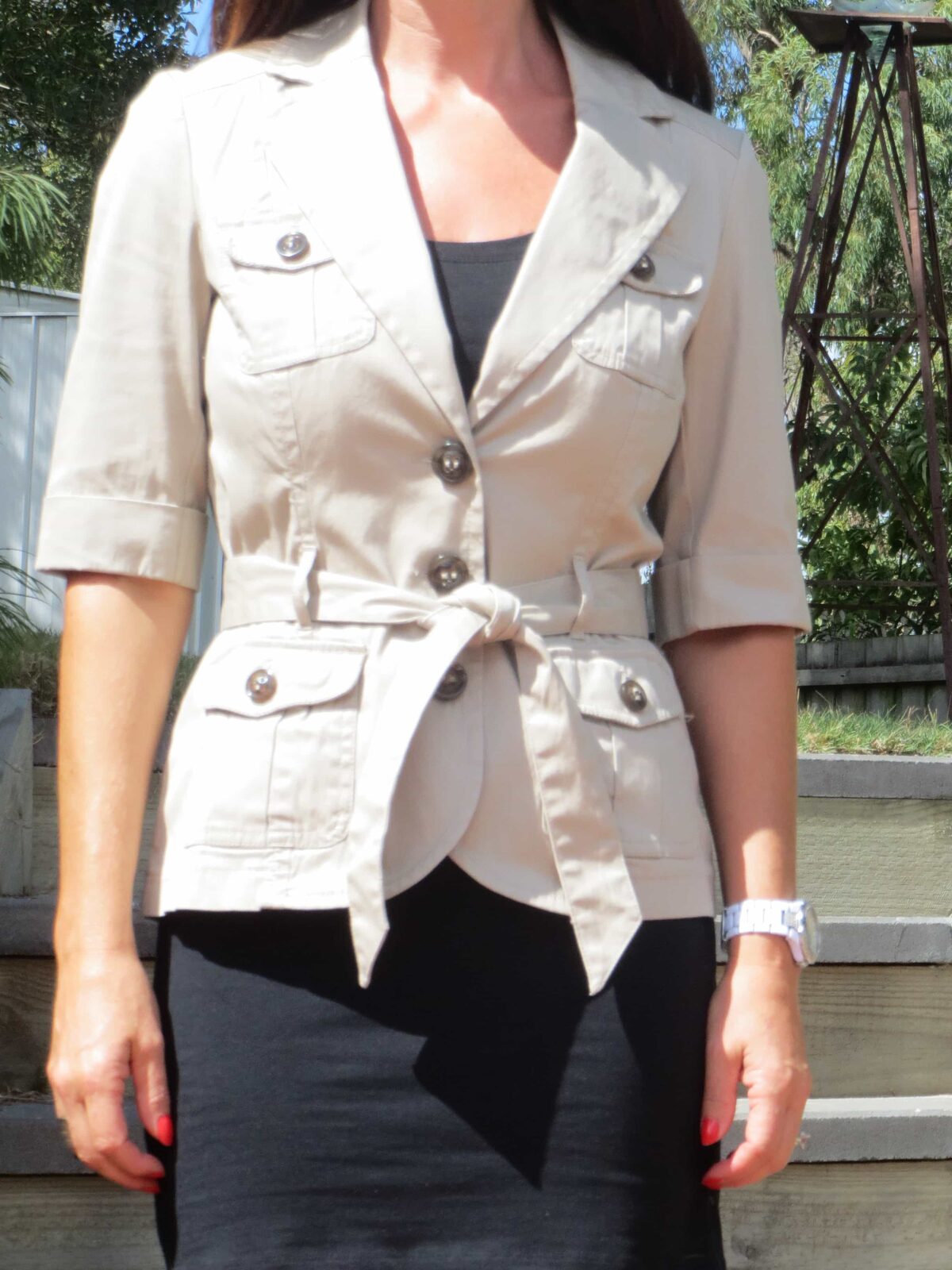
Around the knee, or longer. Midi lengths are easy and comfortable to sit in.
Nothing sheer, nothing low, nothing tight.
Plain fabric. A very quiet pattern is fine. A bold one is the thing people will remember about you, which is the opposite of the point.
That is a complete outfit and most women already own every part of it.
Black is not compulsory here
It is worth saying plainly, because it is the question I am asked most.
Black is never wrong and it is still the most common choice at an Australian funeral.
But navy, charcoal and deep grey are entirely accepted, and have been for years. So are muted greens, browns and deep berry tones in a plain shape.
What actually matters is that the outfit is quiet. A navy dress reads as respectful. A black dress with a plunging neckline does not. The colour was never the real rule.
The details people worry about
Small things, answered quickly.
Sleeves. Not required, but shoulders covered is the safer choice, and a jacket solves it either way.
Necklines. High or modest. This is the single most noticed thing and the easiest to get right.
Jewellery. One quiet piece. Nothing that catches the light or makes a sound when you move, because funerals have long silences in them.
Makeup. Less than usual, and waterproof. You may not expect to cry. People do.
Hair. Off your face if you can manage it. You will be looking down, embracing people and standing in the wind at some point.
Perfume. Very little or none. Chapels are small and grief makes people sensitive to everything.
Shoes, which matter more than usual
This is the part people regret.
Flat or low, closed, dark, and already worn in.
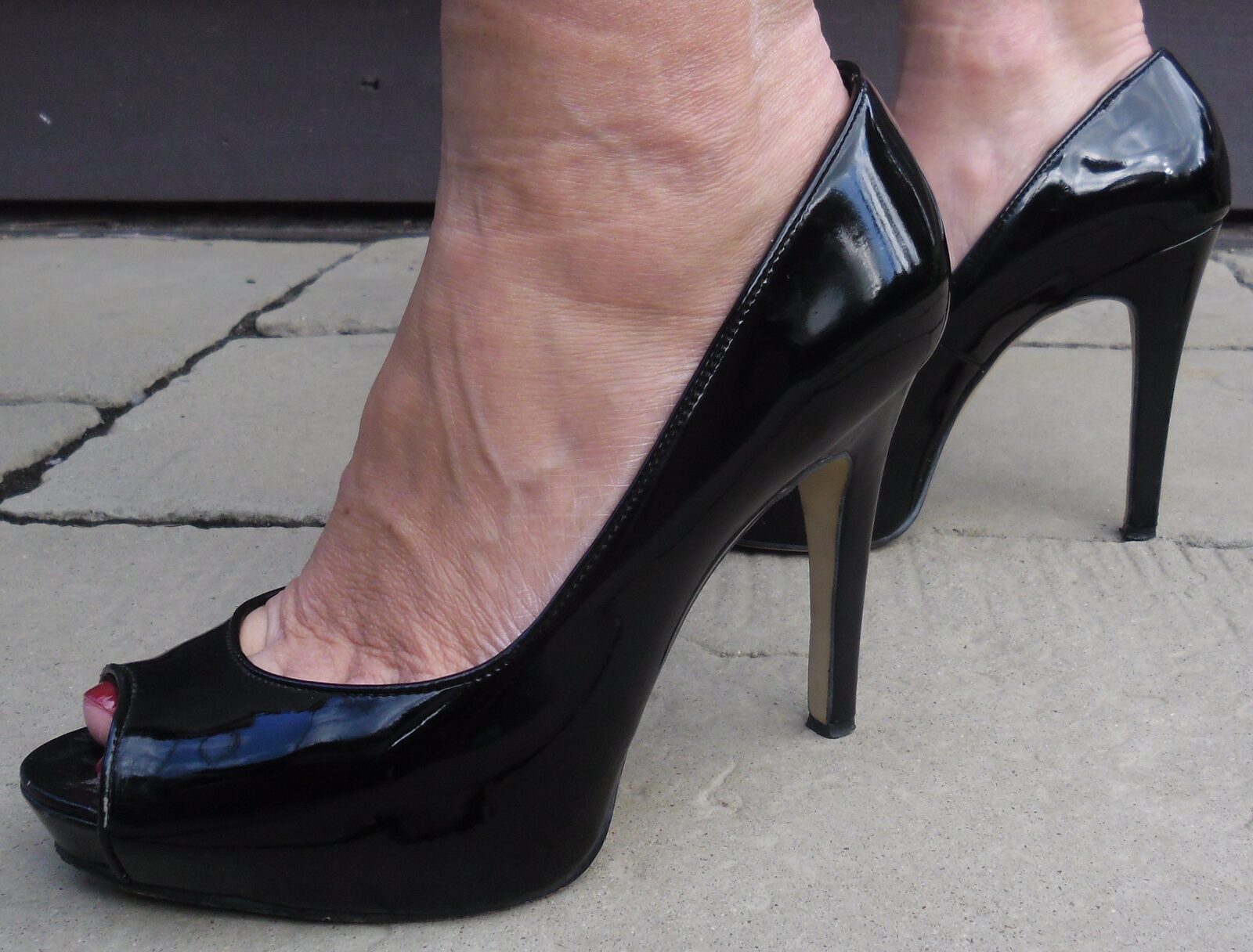
Graveside services are held on grass or gravel, often uphill, often in the wind, and usually for longer than the order of service suggests. A heel that is fine on a church floor is not fine there.
You may be standing for a long time, first at the service and then at the wake, where seats are always scarce.
And nothing new. A blister on a day like that is a genuinely miserable thing, and it will take attention you would rather give elsewhere.
The viewing, and the days before
Not everyone goes, and if you are invited it is a smaller and more personal occasion than the funeral.
Dress as you would for the service, slightly softer. Dark and plain still, but a viewing is a room of ten people rather than two hundred, and it is quieter in every sense.
It is usually at a funeral home in the evening, so take the warm layer.
And there may be a rosary, a prayer vigil or a wake service depending on the family’s tradition, often the night before. The same outfit does all of them, which is worth knowing when you are trying to think about as little as possible.
What to put in your bag
Practical, and worth doing the night before.
Tissues, more than you think. Then a second packet for whoever next to you has none.
Water. Services are long, rooms are warm and people forget to drink.
Something for your shoulders, even in summer. Chapels and crematoria are air conditioned hard.
Sunglasses, which are not a vanity at a graveside.
And the address of the wake, written down, because you will not be in a state to search for it.
Dressing for the whole day
A funeral is rarely one event, and this catches people out.
There is usually a service, then a burial or crematorium, then a wake, and they can span five or six hours across three locations and two temperatures.
Melbourne will do what it likes, so the layer is not optional. A chapel at ten and a cemetery at noon are two different climates, and the Melbourne weather problem applies more here than anywhere.
You will be outdoors at some point. Plan the shoes and the coat for that part, not for the church.
And the wake is not a party, but it is warmer, louder and longer than the service. Removing the jacket is the whole transition.
When the family asks for colour
This is increasingly common and it deserves proper thought rather than a compromise.
Take the request at face value. If a family has asked for colour, they have thought about it, and turning up in black can feel to them like a quiet refusal.
Choose one clear colour in a plain shape rather than a bright print. The instruction is about warmth, not about brightness for its own sake.
If you know their favourite colour, wear that. It is always the right answer and it is often noticed by the people who most need noticing.
I have been asked this myself. A dear friend of mine, Deanne, died of cancer at thirty-five, and she asked that we wear colour to her memorial. She loved colour, florals and prints, and she got the last word in fashion. I wore a leather jacket with red jeans, and the room was full of people who had done the same, and it was exactly right. I wrote about her on the day after her service, if you would like to read it.
If you have nothing suitable and no time
This is the real emergency, and it is more common than anyone admits.
Start with what is already there. Dark trousers, a plain dark top, a jacket or cardigan. Very few wardrobes contain none of those three, and together they are a complete and entirely appropriate outfit.
A plain dark dress you already own works even if it is a little casual, once a jacket goes over it.
Borrow. Genuinely. Ask a sister, a friend, a neighbour. People are glad to help in a week when there is almost nothing else they can do for you.
If you must buy, buy one plain dark dress you will wear again, not a costume for one day. Op shops are quick and very good for exactly this, and I have written down where the good ones are.
And do not alter anything. There is no time and it does not matter.
If you have been asked to speak, or to carry
Both change the outfit, and people are often asked at short notice.
If you are reading or giving a eulogy, you will be standing at the front with everybody looking at you, which is the one moment in the day when your clothes are visible. Check the outfit standing up, and check it from the side.
Something with a waistband that stays put, because you will be holding paper with both hands and you will not be able to adjust anything.
If you are a pallbearer, and women increasingly are, wear flat shoes with a proper sole and nothing that restricts your shoulders or your stride. A coffin is heavier and more awkward than people expect, the ground is often uneven, and this is purely a practical decision.
And take the jacket off to carry, then put it back on. It will be warmer than you think.
What to put children in
Rarely covered, and parents worry about it.
School uniform is completely acceptable and a great many families use it. It is smart, it is plain, and the child is comfortable in it.
Otherwise, the plainest dark things they already own, chosen for comfort first.
Bring a change for small children, and something quiet for them to hold.
And nobody will mind. Not one person at a funeral has ever thought critically about what a child was wearing.
If you are immediate family
A different day entirely, and a much harder one.
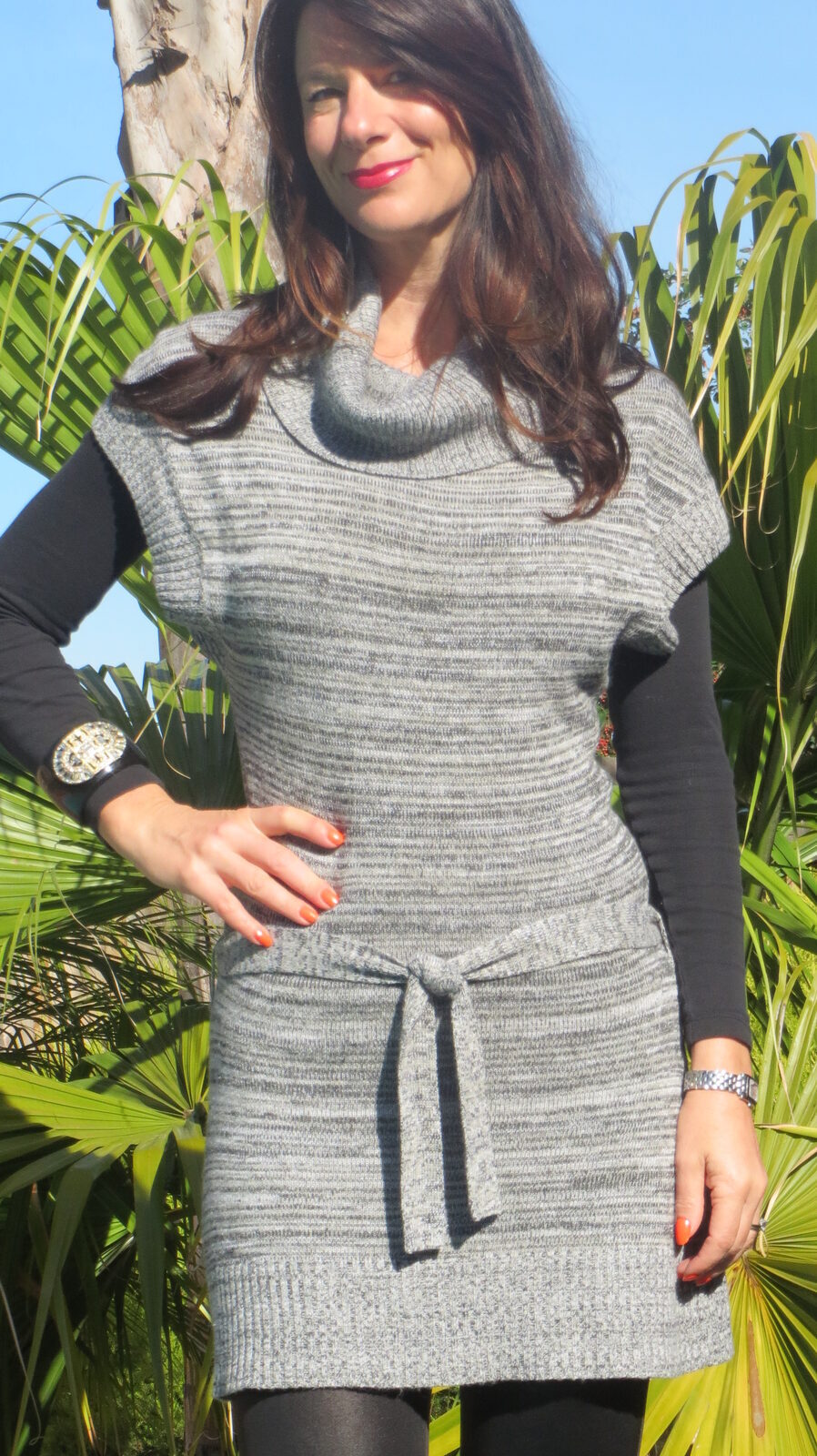
You will be receiving people for hours, which means standing, embracing and talking far more than anyone else in the room.
So comfort is not a luxury, it is what allows you to be present. Choose the thing you can forget you are wearing.
Pockets, if you have them. Tissues, the order of service, your phone.
Wear something you already know and like. This is not a day to discover that a new dress rides up when you sit.
And lay it out the night before, with the shoes and everything else. The morning will not have room in it for decisions.
The part that actually matters
Nobody is looking at you.
That is the truth of it, and it should be a relief. Everyone in that room is thinking about the person who has died and about the family in the front row. Your clothes need only be quiet enough not to interrupt that.
Turning up is the thing. Turning up in a plain dark dress you have had for six years is the same as turning up in a new one, and both are worth infinitely more than not turning up because you had nothing to wear.
The short version
- Read the notice. If the family has asked for something, do that.
- Otherwise: dark, plain, covered at the shoulder and the knee.
- A jacket or cardigan over it, always.
- Black is never wrong and navy, charcoal and deep grey are all fine.
- Flat or low shoes, closed, dark, already worn in.
- Tissues, water, something for your shoulders.
- Plan for a service, a graveside and a wake, in two temperatures.
- If colour has been asked for, wear colour, and mean it.
Nobody hires a stylist for a funeral, and nobody should have to. But if this week has shown you a wardrobe with nothing plain and nothing dark in it, that is worth quietly fixing once the hard part is over, because these days arrive without notice and they will arrive again. That is ordinary wardrobe work, two hours and $299 with a personal stylist in Melbourne, and it is a job for a calmer month than this one.
For now, wear the dark thing, and go and be with them.
And now you’re Looking Good Girls.
“Blessed are those who mourn, for they will be comforted.” Matthew 5:4.