
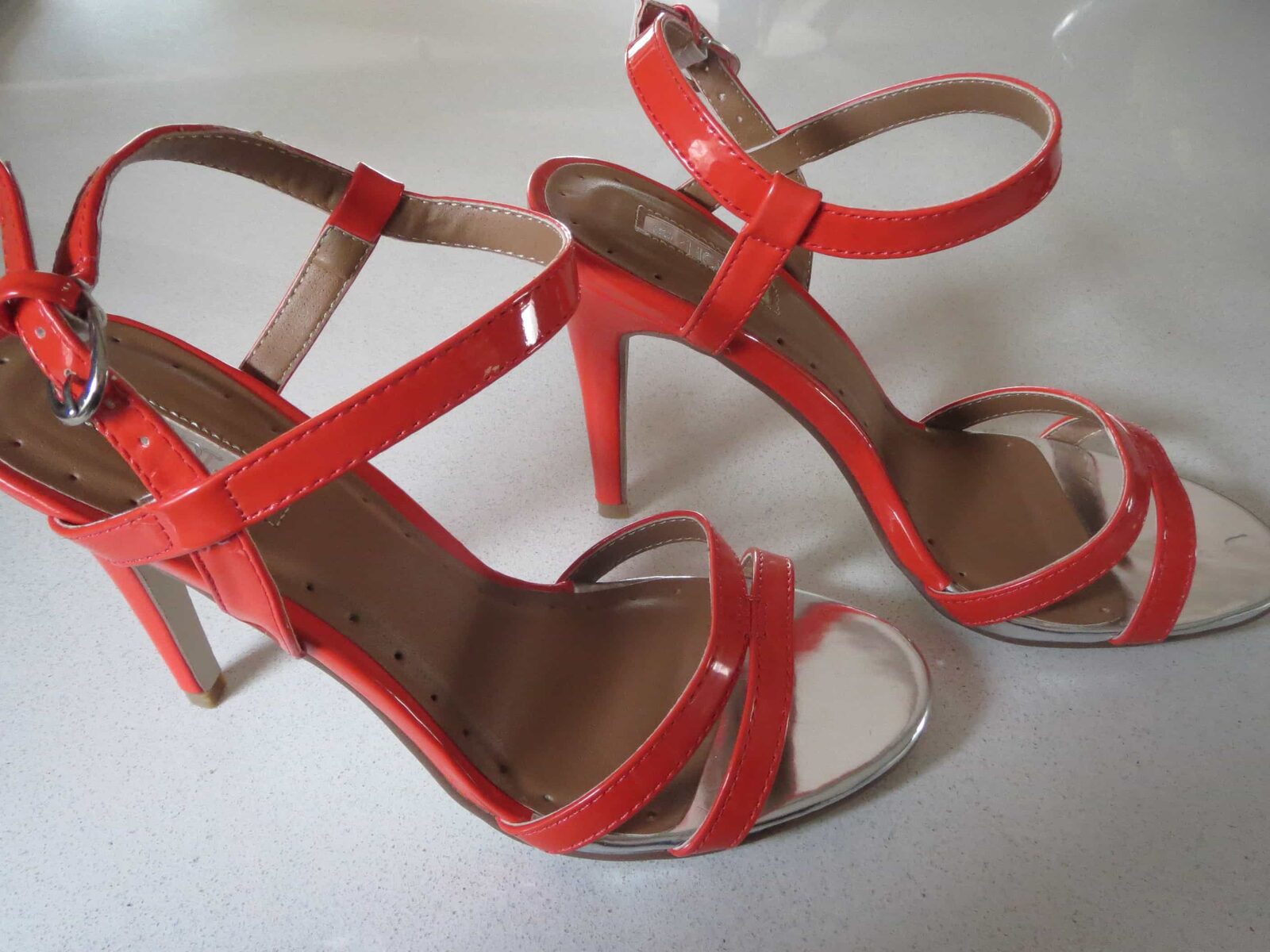
Check out these hot babies!
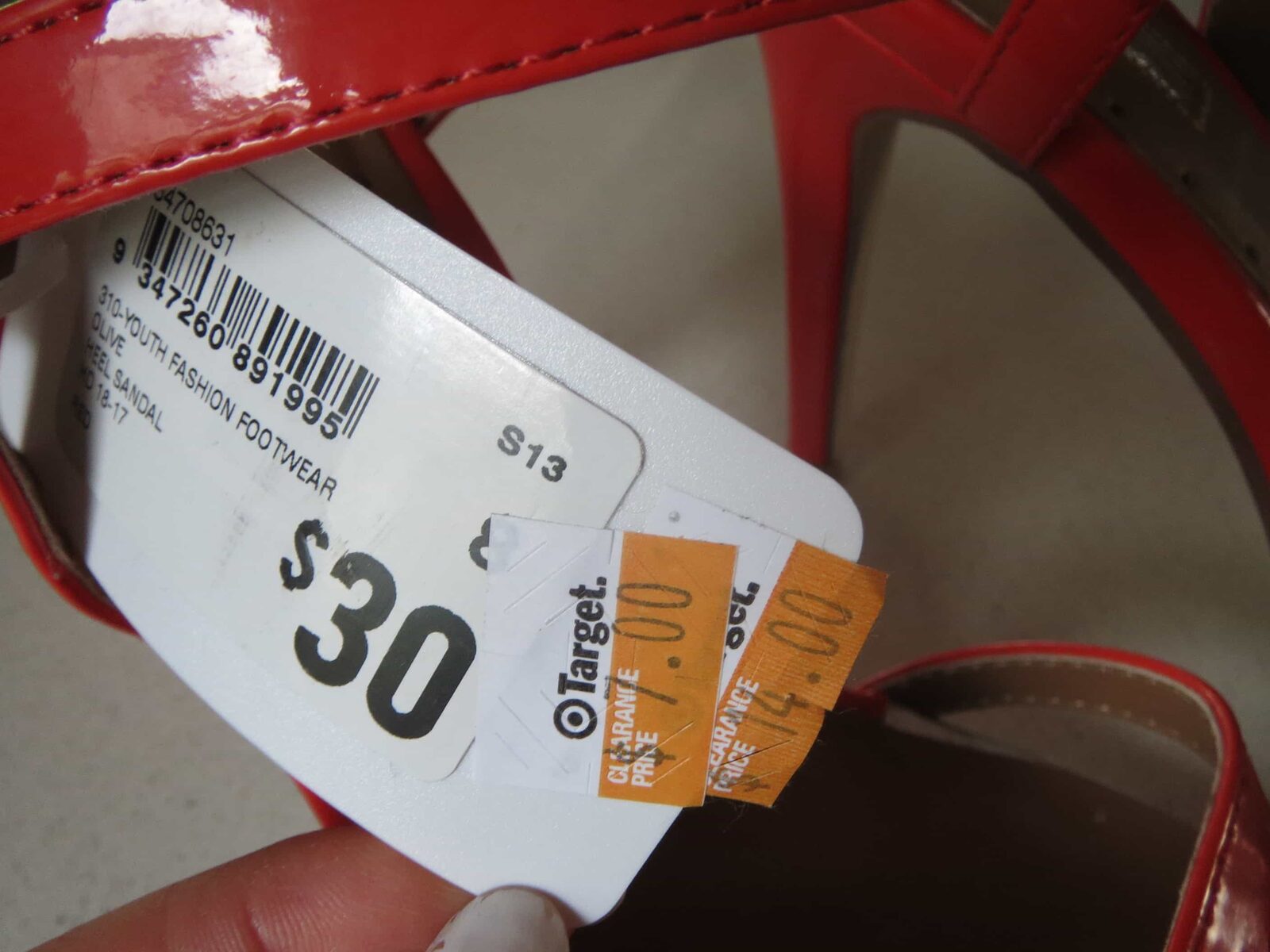
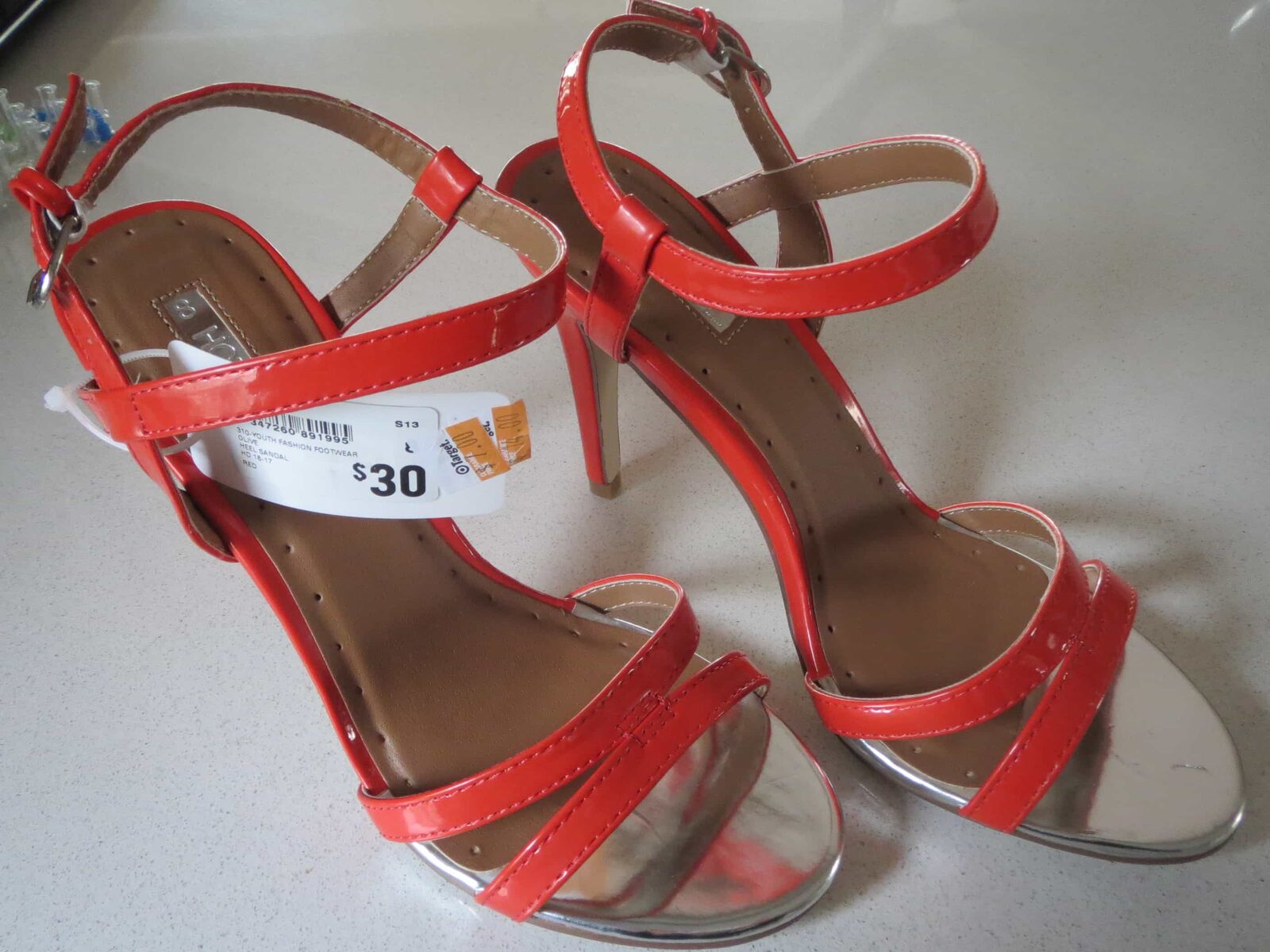
Can’t wait to wear them, but I think they’ll be shelved for several months thanks to this unpalatable, cold weather. Found them this week in Target, slashed to a ridiculously low $7. They also have them in white, so if you’re quick you’ll snap up what might just be the bargain of the year.
I’m loving the citrus colour, the metallic highlights and the shiny patent, voila, bang on-trend.
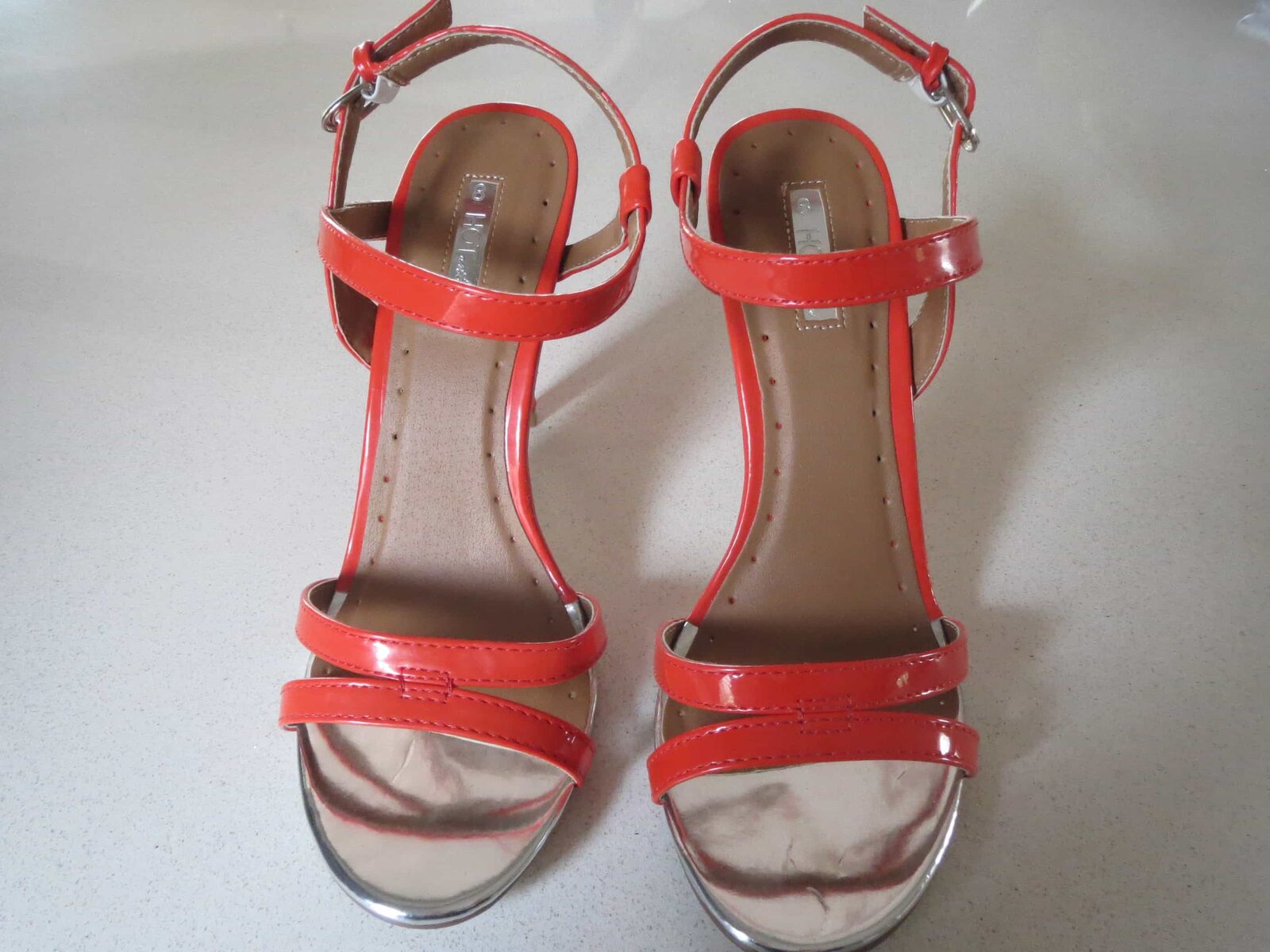
Is a bright shoe actually wearable?
I said at the time I would style an outfit to go with them. Here is the fuller answer, which is: yes, and more easily than you would think, because a bright shoe is the least demanding way to wear a bold colour.
Colour near your face has to suit your complexion. Colour on your feet has no such obligation. It is a metre and a half away from your skin, which means a shoe you would never dare wear as a top is completely straightforward.
That is why statement shoes are the cheapest possible way to make a plain wardrobe interesting. Everything you already own becomes a different outfit, and you did not have to be brave about it.
Metallic orange is also a warmer neutral than it sounds. It shares a family with tan, cognac and camel, so it sits happily against every warm colour you own, and it is a proper shock against the cool ones.
Four outfits that make them earn their keep
Denim and white. Straight-leg jeans, a white shirt, orange heels. This is the outfit that justifies the purchase on its own, the plainest possible base with one bright note.
All navy. Navy is the most underrated backdrop for orange. Higher contrast than black, softer than white, and it makes the shoe look expensive.
With camel or tan. Same warm family, so it reads as a tonal outfit rather than a statement one. This is the grown-up, meeting-appropriate version.
Under a black dress. The classic. A simple black dress plus one bright shoe is the entire outfit, and the only thing anyone remembers.
What I would avoid is putting them with another bright, or with a busy print. This shoe is the loudest thing in the room and it does not need company.
When a bargain shoe is not a bargain
At $7 it hardly matters. At $70 it does, so here is where I would draw the line.
A statement shoe has to be comfortable, or it will not get worn. This sounds obvious and yet the bold pairs are the ones people buy on impulse and then avoid, because they hurt and they were never quite worth it. Walk the length of the shop before you commit.
Patent is unforgiving of scuffs. It looks glorious for a season and shows every knock. Fine at this price, worth thinking about at a higher one.
Bright colours date faster than neutrals. Not because the colour goes out of fashion, but because the shape does, and a bright shoe is looked at more closely than a black one. Buy the classic silhouette in the bold colour, not the extreme silhouette.
Count the outfits before you buy. If you cannot name three things in your wardrobe it would go with, standing right there in the shop, put it back. This is the single most useful habit I have.
The bargain-of-the-year test
I called these the bargain of the year at the time, and I want to be honest about what that phrase should actually mean.
A bargain is not a low price. It is a low price per wear. A $200 shoe worn a hundred times costs two dollars a wear. A $7 shoe worn twice costs three-fifty, and is therefore the worse buy despite being a twenty-ninth of the price.
So the only question worth asking in the shop is: how many times will this actually leave the house?
For a bold shoe the honest answer is usually somewhere between ten and thirty times a year, which at $7 is spectacular and at $250 is still perfectly reasonable if you love them. What ruins the maths is a bold shoe you bought because it was reduced and then never quite dared to wear.
Which is why the three-outfit test above matters more than the price tag, and why I would rather pay more for something I will reach for than nothing at all for something I will not.
The chain stores are worth a proper look
Seven dollars for a shoe like this is not luck, it is timing. The chain stores mark down hard at the end of a season, and shoes go further than clothes do because the sizing problem is simpler. You either take that size or you do not, so leftover stock gets cleared aggressively.
The trick is to shop for the season you are not in. These were found in the depths of winter, which is exactly why they were $7 and exactly why I had to shelve them for months. That is the trade: you buy at the bottom of the market and you wait.
If you can be patient for a season, you will pay a quarter of what everyone else pays. It is the same principle as the op shop racks, just with brand new stock.
(From July 2014. Those $7 heels are long gone, and the strategy behind them is not.)
If you own a bold pair sitting in the box because you are not sure what goes with them, that is a fifteen-minute fix in a styling session, usually with clothes already in your wardrobe.
And now you’re Looking Good Girls.
“Praise the Lord. Give thanks to the Lord, for he is good; his love endures forever.” Psalms 106:1.