
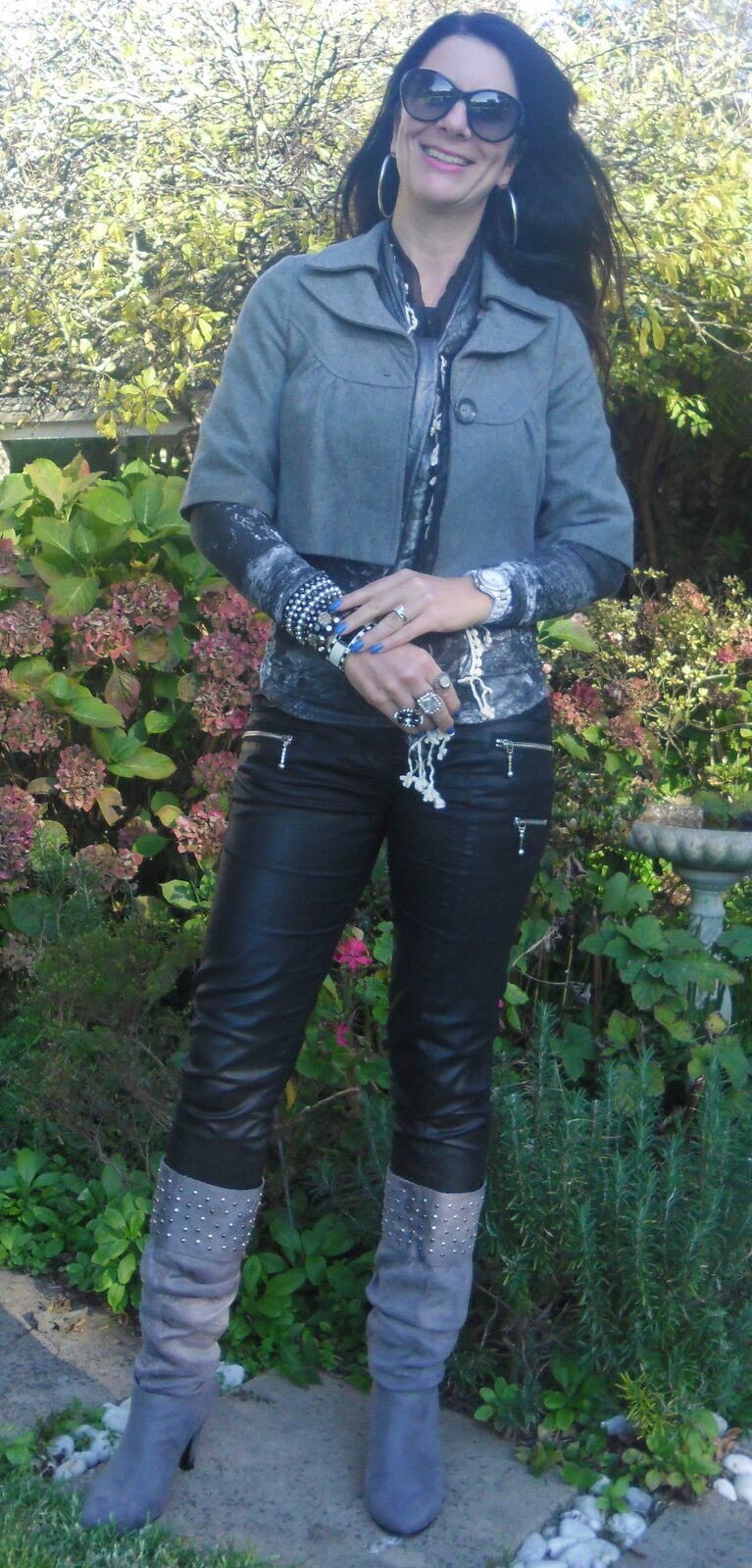
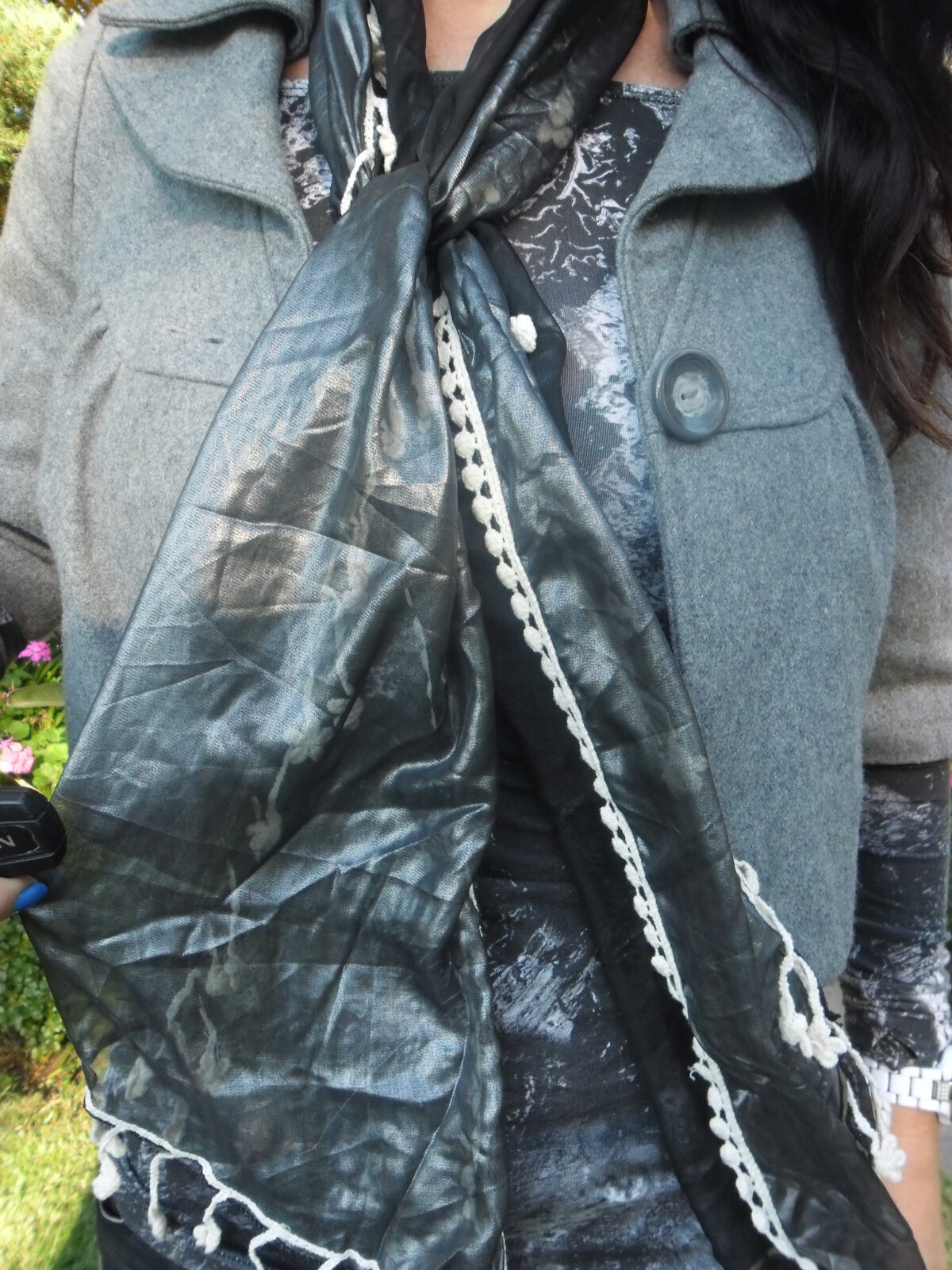
These grey microsuede and silver stud boots were an amazing find.
I spotted them in the window of the Chelsea Pre-Loved clothing shop on Sunday and dashed in there Monday to find they were brand new, still with the $50 stickers on them. And they happened to be my size! I scored them for $6. A flying start to the autumn/winter season.
Why I went back on Monday
That is the part of this story worth paying attention to, and it was not luck.
I saw the boots in the window on a Sunday, when the shop was shut. I did not stand there wondering whether to bother. I went back the next morning, first thing, because I know what happens to good stock in an op shop: it does not sit there waiting for you to make up your mind.
Op shopping rewards people who move. The window display is the shop telling you what it thinks is good, and if you have seen it, so has everyone else who walked past that weekend.
How to shop pre-loved on purpose
People assume finds like this are chance. Mostly they are habit.
Go often, stay briefly. Ten minutes once a week beats two hours once a month. Stock turns over constantly, so the only thing that matters is how many times you walk through the door.
Learn your shops. The op shops in wealthier suburbs get better donations. That is not snobbery, it is just where the good coats end up. A regular loop of three or four shops will teach you which is which within a month.
Go straight to the shoes. Most people browse clothes and skim past the shoe rack. Shoes are also the easiest thing to judge quickly, soles either look worn or they do not.
Check the window. Twice now I have found the best thing in the shop in the display, because it never made it to the racks.
Know your size in your head. Not your dress size, your actual measurements. Vintage sizing is meaningless and you will not always be able to try things on.
What to check before you buy secondhand boots
Six dollars is only a bargain if you actually wear them.
The heel tips. Look at the little plastic caps at the bottom of the heel. Worn through to metal means they have had a life. It is a cheap fix at a cobbler, but factor it in.
Inside the sole. Press your thumb into the footbed. If there is a deep impression from somebody else’s foot, the shoe has moulded to them and it will never be quite right on you.
The zip, twice. Up and down, both boots. A failed boot zip is the most annoying repair there is.
The shaft width, if they are long boots. This is where most secondhand long boots fail. Try them sitting down as well as standing, because your calf changes shape when you bend your knee.
Smell them. I am sorry, but yes. It does not come out.
What is worth buying new
I am not going to pretend everything should come from an op shop. Some things genuinely should not.
Buy secondhand: coats, leather, knitwear, bags, scarves, occasion wear, jewellery. Anything structured, anything expensive when new, anything worn rarely. These are the categories where the original owner did the depreciating for you.
Buy new: underwear, swimwear, anything with elastic that has already had a life, and shoes that need to fit precisely. Also basics you will wear to death. A white tee you wear weekly is not worth hunting for.
The reason the pre-loved shops are full of good coats and terrible basics is simply that people wear out their basics and barely wear their coats. Shop the way the donations actually arrive and you do very well.
Building an outfit around one good find
So I built this outfit around them. Black Sass & Bide leather-look pants, Italian designer top and wool cropped jacket.
This is how I do most outfits, actually, start with the piece you are excited about and work outwards. It sounds obvious but most people dress the other way round, putting on the sensible things first and then hunting for something to lift it.
Start with the interesting piece and everything else has an easy job: stay out of the way. Black pants, a cropped jacket, done. The boots are the outfit.
And then the jewellery
I piled on the jewels and then Mum and I ventured to the shops and found a treasure trove of bargains in Angel Accessories.
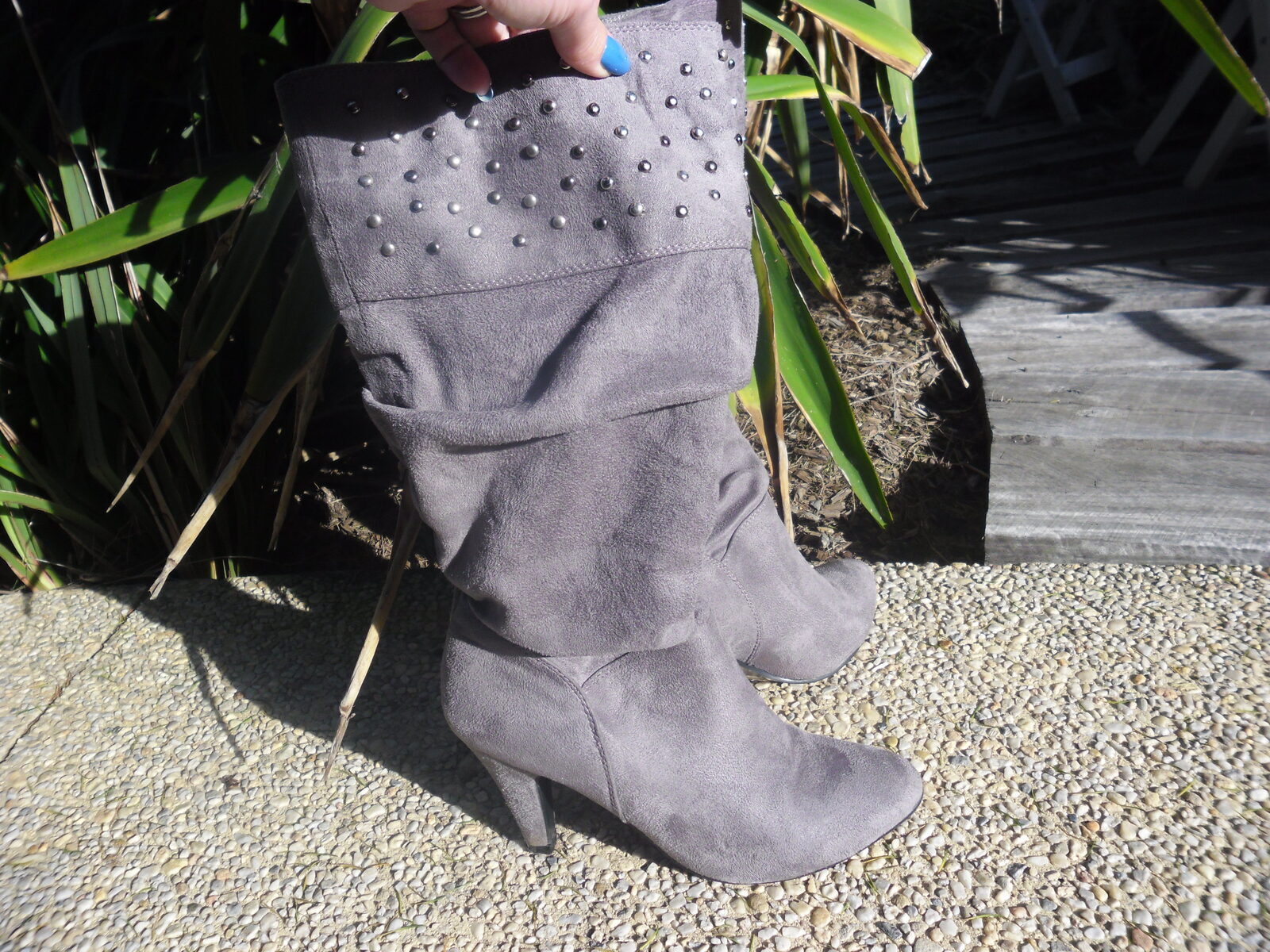
For six great jewellery pieces I paid only $20, including the black and white cuff on my right hand. And they had some cute scarves, two for $10, so I snapped up this metallic silver scarf with white trimmings plus another pink floral number, which I’ll show you another time.
What $6 really buys you
The thing about a find like this is not the saving. It is the permission.
A pair of $6 boots you are not certain about is an experiment. You can wear them somewhere slightly wrong, decide grey microsuede is not for you after all, and have lost the price of a coffee. A $250 pair carries an obligation. You will wear them whether or not they suit you, because you have to justify them.
That is why nearly everything adventurous in my wardrobe came cheap. The bargains are where the experiments happen, and the experiments are how you work out what actually suits you. The expensive purchases should come afterwards, once you already know.
Which is the whole argument of this blog in one paragraph, really.
(All of this is from 2012. Those shops and those prices belong to that year. The method of hunting is the part that still works, and it is the part that matters.)
If you are a good hunter but never quite know what to build around the things you find, that is precisely what a personal shopping day is for, and I will happily take you round the op shops rather than the boutiques.