Affordable does not have to mean cheap-looking. The women who always look put together on a budget are not spending more than you. They simply know where to look, when to buy, and how to make it all fit. The label on the inside matters far less than any of that.
I have spent fourteen years on this blog buying clothes cheaply in Melbourne and writing down exactly where they came from, so here is the honest list: fifty brands and shops worth knowing, grouped the way I actually shop them. Some are labels, some are whole categories, and one or two are apps. None of them require a big budget. That has always been the point.
Affordable is a skill, not a budget
Before the list, the thing worth understanding: dressing well cheaply is a skill you build, not a number you are born with. Two women can spend the same forty dollars and one walks out with a piece she wears fifty times while the other buys something that hangs unworn by winter. The difference is not luck. It is knowing which shops reward a careful look, when the sales land, what suits your shape, and how to spot the difference between cheap and merely inexpensive.
That is really what this list is, not “buy from these fifty names and you are sorted”, but a map of where the value actually sits, so you can go looking in the right places. The brand on the label is the smallest part of it. Where, when and how you buy is the rest.
Start where I started: the op shops
Nothing beats a charity shop for cost per wear, and browsing them is half the fun. The catch is that you cannot walk in for a specific thing, treat it as a regular wander, not a targeted trip, and the finds come to you. My op shop treasure trove has some of the most-worn things I own.
Savers: the big one, racks for days, best for a proper dig. Vinnies (St Vincent de Paul), reliable across the suburbs, strong on coats and knitwear. Salvos (Salvation Army), the same, and often a little cheaper. Red Cross shops, tend to sit in nicer areas, so the donations are good. Sacred Heart Mission op shops in the inner south, genuinely well curated. Brotherhood of St Laurence stores, another Melbourne institution worth a regular look.
One local tip, because it changes everything: shop the op shops in the wealthy suburbs, not the ones near your house. The donations follow the money, so a Vinnies in Brighton, Toorak or Camberwell yields labels a bargain hunter dreams about, often barely worn. Go on a weekday if you can, when the racks have just been restocked and the weekend crowd has not been through, and go regularly rather than desperately. The whole game is being there when the right thing lands, which you cannot force.
The big value chains
Not glamorous, endlessly useful. This is where most wardrobes should buy their basics and not feel a thing about it.
Kmart, the quiet powerhouse of Australian fashion, honestly good now and absurdly cheap. Target. A notch up, better for a dress or a work piece. Big W, underrated for basics and kids, and the odd surprise. Best & Less, exactly what it says, and still standing when a lot of its rivals are not.
Everyday fashion chains
A step up from the value chains, still kind to a budget, and where a lot of good outfits quietly begin.
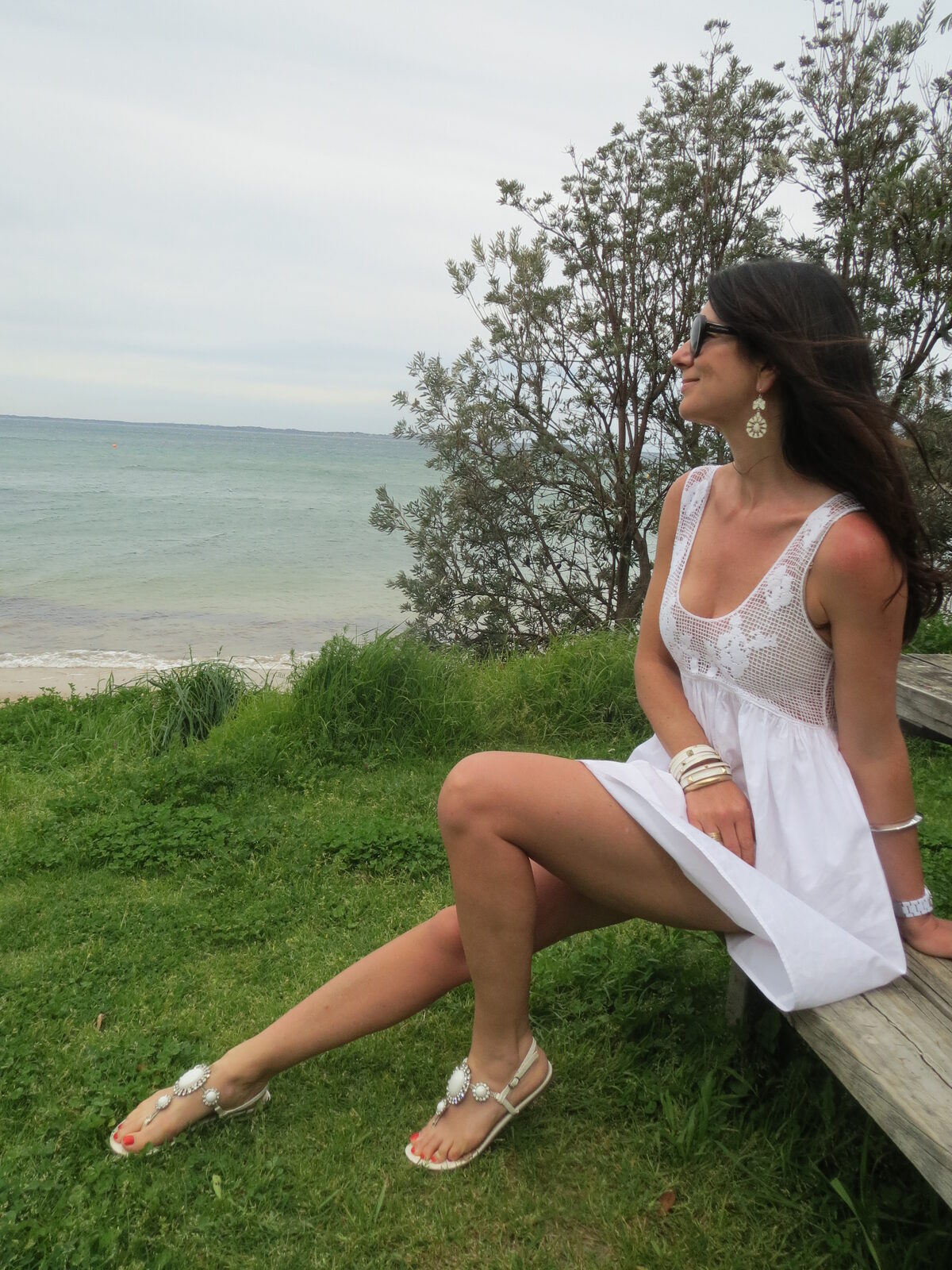
Cotton On: cheap, cheerful and everywhere; the white dress above is one of theirs. Glassons, sharp basics and trend pieces at very fair prices. Uniqlo. The best basics money can buy at this level, full stop. H&M, hit and miss, but the hits are worth it. Zara. The fashion-forward option; buy the shape, skip the flimsy. Mango, a touch more grown-up than Zara for similar money.
Australian high-street labels, buy them in the sales
These sit a little higher, so the trick is patience: almost none of them should be bought at full price. Wait for the markdowns, which come around like clockwork.
Sportsgirl and Sussan: the old faithfuls, one younger, one more classic. Suzanne Grae, easy, forgiving basics. Dotti and Portmans, trend and workwear respectively, from the same stable. Forever New, pretty, feminine, and generous with sales. Bardot, a bit of glamour that punches above its price. Review, full-skirted retro frocks with a loyal following. Decjuba, clean modern basics. Kookai, the Australian one; structured pieces that last. Witchery and Country Road. The dearest here, so strictly sale-only, but the quality earns its keep when the price is right.
Online and direct-to-you
The range is enormous online, and the real skill is returns: order two sizes, keep the one that fits, send the other back. That single habit is what makes online shopping work.
The Iconic, the big department store of the internet here, fast and easy to return. ASOS, vast, cheap, and ships to Australia reliably. Princess Polly, Showpo, Beginning Boutique and Hello Molly, the trend-and-event end, good for something for Saturday. Petal & Pup and Dissh. A slightly more grown-up take on the same. Universal Store, where the younger set actually shops. Lioness and Nude Lucy, cool-girl basics and linen without the designer markup.
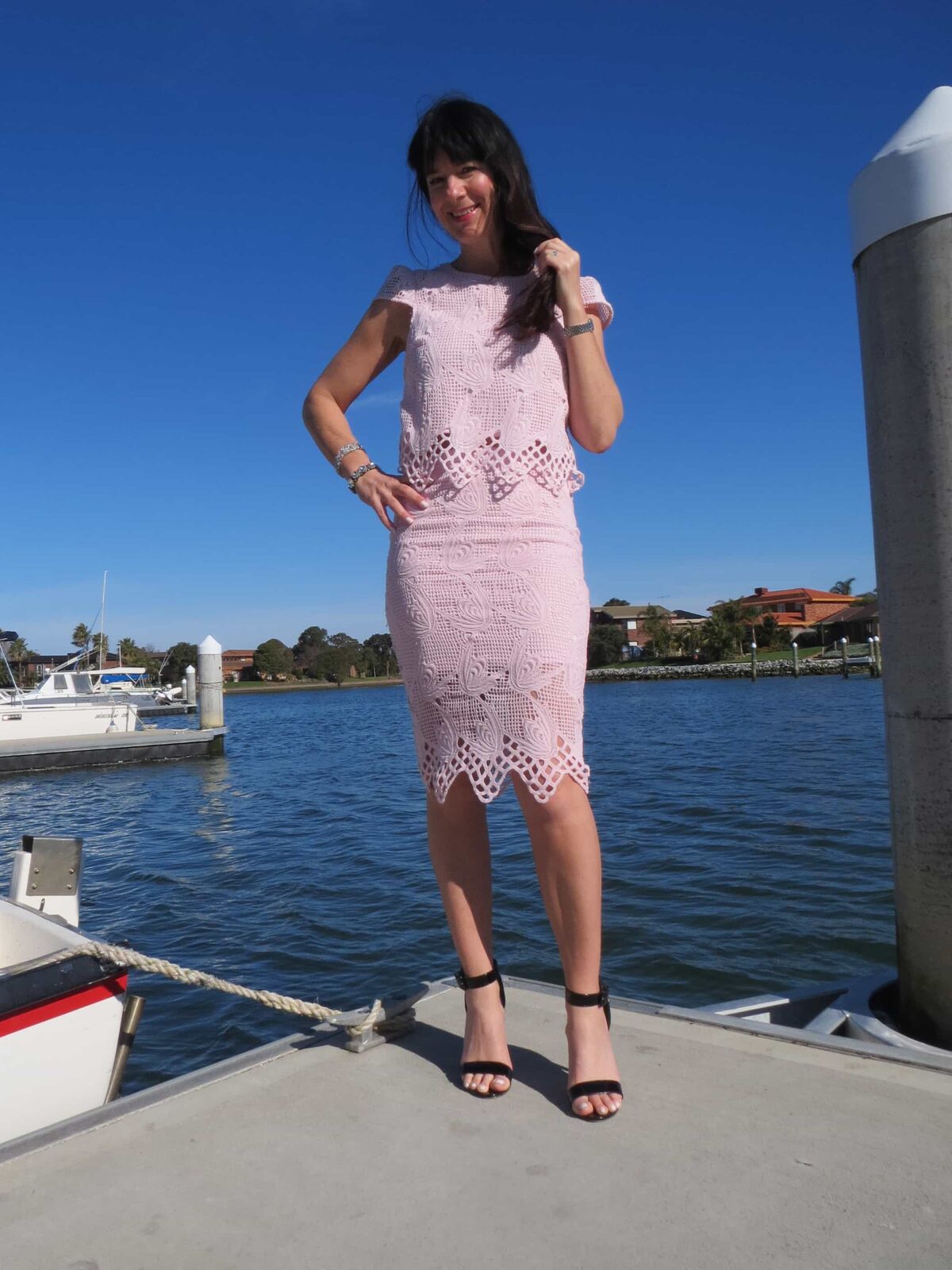
Outlets and discount destinations
Last season’s stock at this season’s discount, which is exactly the trade most of us should be making.
DFO (Direct Factory Outlets): the outlet malls at Essendon, South Wharf and Moorabbin, where the labels above turn up for less. TK Maxx, brand-name overstock at a fraction, if you are willing to hunt. The Chadstone and South Wharf outlet precincts round it out.
Secondhand and resale, where the smart money went
This is the genuinely exciting shift of the last few years. Barely-worn, often-tagged pieces for a fraction of new, and it keeps clothes out of landfill.
eBay, still the deepest well for secondhand, especially for a specific label in your size. Depop, younger, trend-led, great for a bargain with patience. Facebook Marketplace and Gumtree: local, cash-simple, brilliant for coats and occasion wear people wore once. Vestiaire Collective, the place for authenticated designer at a discount. AirRobe. The Australian one, increasingly built right into checkout so you can resell what you buy. SwapUp, for clearing your own wardrobe as you go.
It is also the kind thing to do. Australians buy more clothing per person than anyone else on earth: 56 new items a year, most of it barely worn, according to the Australia Institute. Buying one of those secondhand instead of new is cheaper for you and one less thing headed for landfill.
How to shop the sales without getting stung
Half the names above are only affordable if you buy them at the right moment, so a few rules save real money.
Buy your basics at full price and your fashion in the sales, never the other way around. A good white tee is worth paying for because you will wear it out; a trend piece is not, because you will not. Know the calendar: the big markdowns land after Christmas and again in June, at the turn of each season, and the truly patient wait for the second markdown when the size run has thinned but the price has halved again. And be honest about why something is discounted. A coat marked down because the season is ending is a bargain; a top marked down because nobody wanted it is not, and it will not suit you any better for being cheap.
The test for a sale buy is simple: would you pay full price for it if you had to? If the honest answer is no, the discount has done its job of talking you into something you did not want.
The common mistakes when buying cheap
The traps are as predictable as they are expensive, and I see all of them.
Buying it because it is cheap, not because you will wear it, is the big one, a wardrobe full of five-dollar mistakes still adds up to a wardrobe full of mistakes. Buying the wrong size because it was the last one on the rack is the next; nothing you cannot breathe in gets worn twice. Skipping the tailor to save twenty dollars, and then never wearing the fifty-dollar thing that does not quite fit, is a false economy I watch people make weekly. And chasing every trend on a budget just means owning a lot of cheap versions of things that dated in a season, far better to buy the classic shape cheaply and let it last.
Department store sales
Worth naming for one reason: the twice-yearly clearances. Myer and David Jones both carry the labels above and mark them down hard at the turn of each season. Set a reminder, go once, ignore them the rest of the year.
A word on the ones that have gone
Be a little careful with old lists, because Australian fashion retail has had a brutal couple of years. Jeanswest closed every one of its stores in 2025, and the Mosaic group took Millers, Katies, Rockmans, Noni B and Rivers down with it, along with Ally Fashion not long after. If a brand you loved has gone quiet, it may well have shut, check it is still trading before you plan a shop around it. The list above was all open at the time of writing, but retail moves fast, so the categories matter more than any single name.
The part that actually matters
Here is the thing all fifty have in common: the brand is the least important part of dressing well cheaply. What separates a good budget wardrobe from a sad one is not where the clothes came from. It is whether they fit, whether the colours suit you, and whether they combine.
A Kmart dress that fits and flatters reads more expensive than a designer one that does neither, and the difference between the two is usually a twenty-dollar trip to the tailor. Spending a little to get the fit right is the single best money in fashion, and I have made that whole argument before. Buy pieces that get on with what you already own, not one-off wonders, and a cheap wardrobe starts to look considered rather than thrifty.
None of this is about the money. The dress I wore in a national TV commercial was a hand-me-down, and a gold skirt I bought for almost nothing has been on this blog across three years. Nobody can tell what anything cost. They can only tell whether it suits you.
Where to spend, where to save
If you want a simple rule: save on the everyday and spend, occasionally and deliberately, on the few pieces that carry the rest. The reasoning is in it’s time to invest wisely. Op shops and Kmart for the bulk; one considered Aussie label piece in the sales for the outfit-maker; a good tailor to make all of it sit right.
And if the whole thing feels like too much to work out alone, that is exactly what a session is for. A personal shopper to do the hunting with you, or a personal stylist to sort the wardrobe you already have. Both work to your budget, not against it.
Fourteen years on, the principle has not changed since 2012: it is not about size, age or labels. It is about knowing what suits you, and owning fewer, better versions of it, whoever made them, and however little they cost.
And now you’re Looking Good Girls.
“She perceives that her merchandise is profitable,” Proverbs 31:18.