
You do not need fifty pairs of shoes. You need about ten, the right ten, that between them cover your whole life, from the school run to a wedding to a Melbourne winter. Get those right and the overflowing rack of near-misses becomes unnecessary.
I have written up more shoes on this blog over fourteen years than I would like to admit, most of them bargains, a few of them splurges I do not regret. So here is the honest guide: the essential shoe wardrobe, which pairs are genuinely worth spending on, and where to save every dollar you can.

Buy fewer, better, shoes are where it counts
Shoes are the one part of a wardrobe where I will always argue for spending a little more, and the reason is simple: you stand on them all day. A dress that pinches gets taken off at home; a shoe that pinches ruins the whole day and then lives in the cupboard as a forty-dollar reproach.
They are also where cost per wear does its most obvious work. The pairs you wear constantly are cheaper the better they are made, because good leather can be resoled and worn for years, while a cheap pair worn daily falls apart by spring. So the rule for the whole list below is this: spend on the workhorses, save on the fun. Both have their place, and knowing which is which is most of the skill.
The everyday essentials
These are the pairs that earn their keep every single week, so this is where your money should go.
A white leather sneaker. The single most useful shoe of the last decade, and rightly so. It goes with jeans, a dress, tailored trousers, almost anything, and it lets you actually walk. Buy leather rather than canvas so it wipes clean and lasts, and replace it before it goes grey; a tired white sneaker undoes the whole trick. This is the first pair I would tell anyone to spend properly on, because it does more work than any other shoe you own.
A comfortable everyday flat. A ballet flat or a loafer, whichever suits your foot, in a colour that goes with everything you own. This is the pair for the days heels are out of the question but a sneaker is too casual: school pick-up, a long day in the office, the shops. A loafer leans a touch smarter and a ballet flat a touch softer, so let your week decide which you reach for more.
A black ankle boot. The hardest-working boot there is, flat or with a low block heel so you can walk in it. It carries an outfit from autumn right through winter, works with jeans, dresses and trousers alike, and quietly makes everything look a little more considered. If you buy one properly-made pair of boots in your life, make it this one. A good leather ankle boot, resoled when it needs it, will outlast three cheap pairs and cost you less in the end.
The pairs for dressing up
Fewer wears, but you will be very glad to own them when the occasion comes.
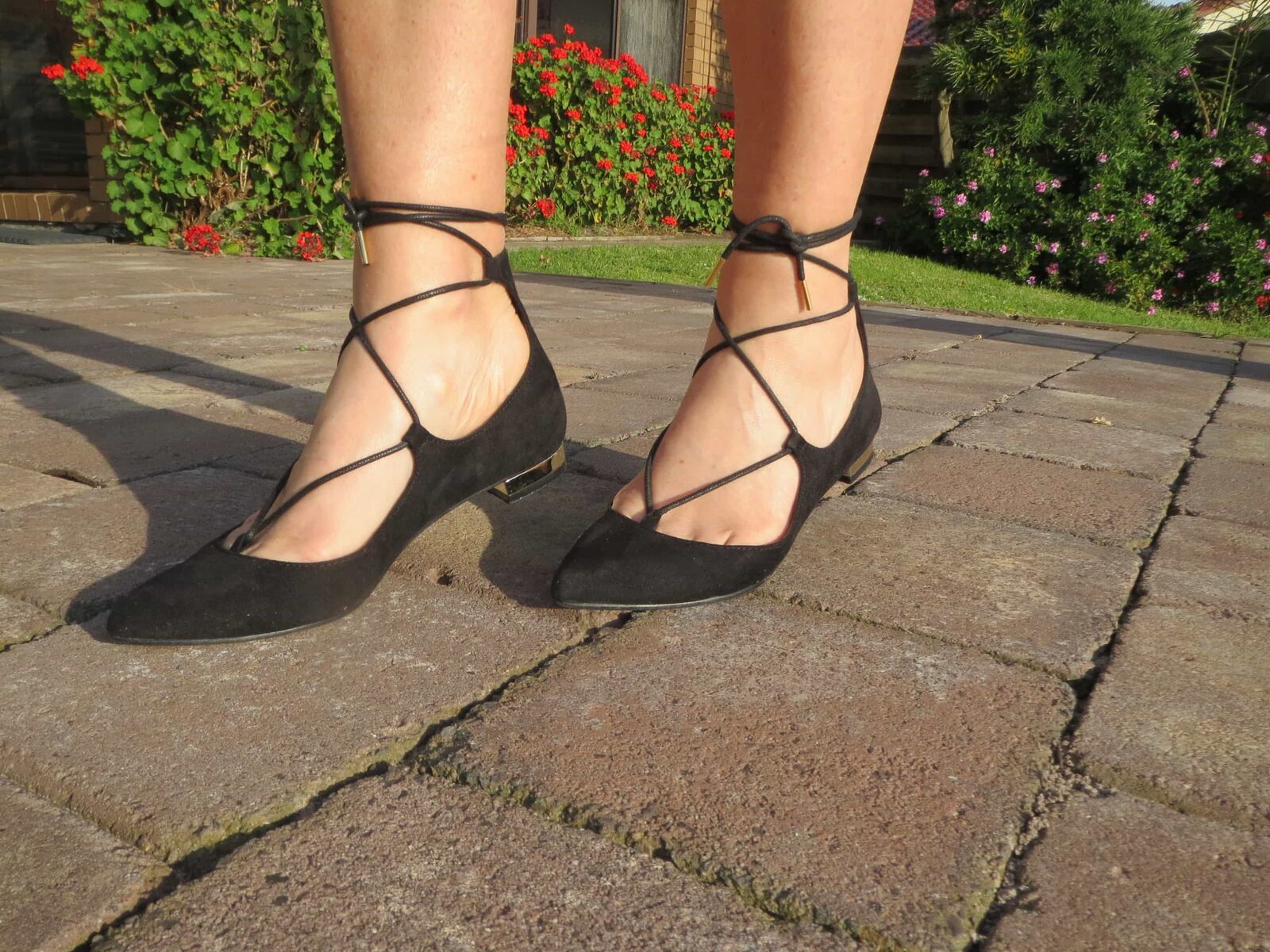
A nude heel. If you own one dressy shoe, make it this one. A skin-tone heel lengthens the leg and disappears under almost any outfit, so it works with far more than black ever will. I reach for mine for weddings, work events and anything where I want my legs to do the talking.
A black court shoe. The classic closed pump, for work and for evening. Nothing flashy. A clean shape in black goes with everything after five o’clock and never looks wrong. Choose a heel height you can actually stand in for the length of a dinner, because an elegant shoe you are wincing in stops looking elegant the moment you start to limp.
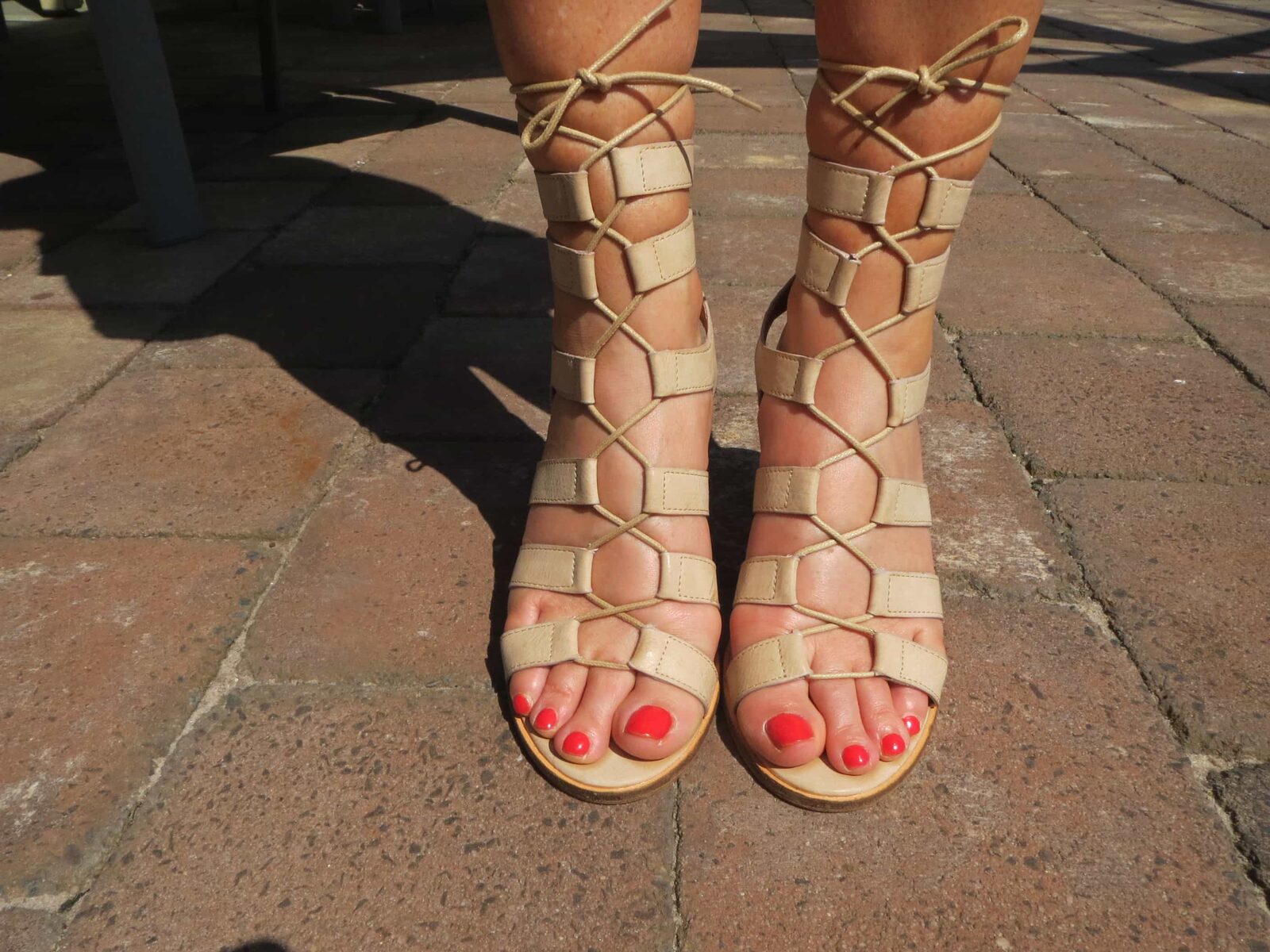
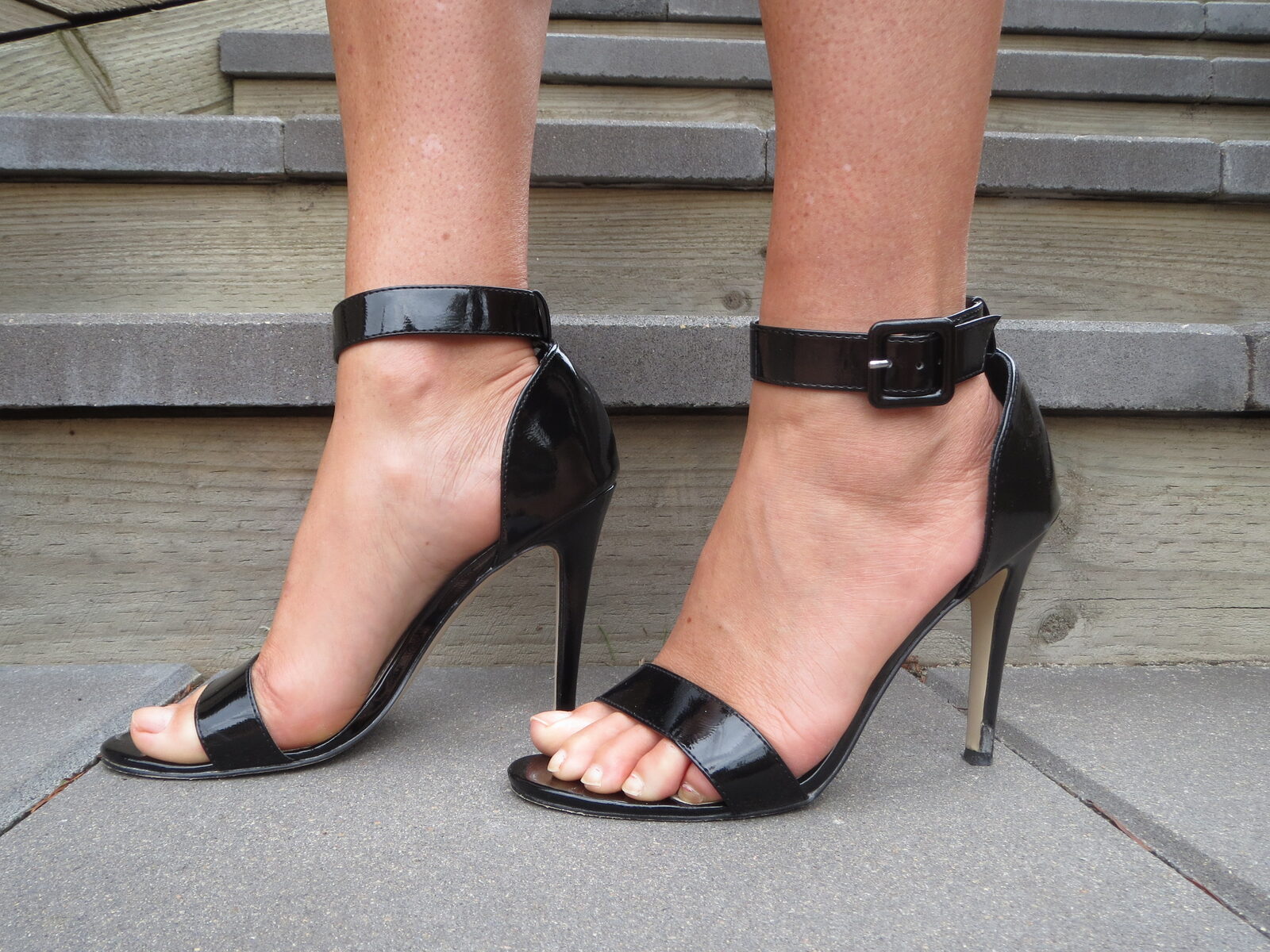
A dressy strappy sandal. The summer-event shoe, in a metallic or a neutral, for weddings and parties in the warm months. This is a pair worth buying cheaply, because you will wear it a handful of times a year and no one will ever know what it cost. A metallic is quietly the most useful colour here. It reads as a neutral against almost any frock, so one pair covers a whole season of events.
The seasonal pairs
Two more that earn their place by handling the extremes, which in this city is not optional.
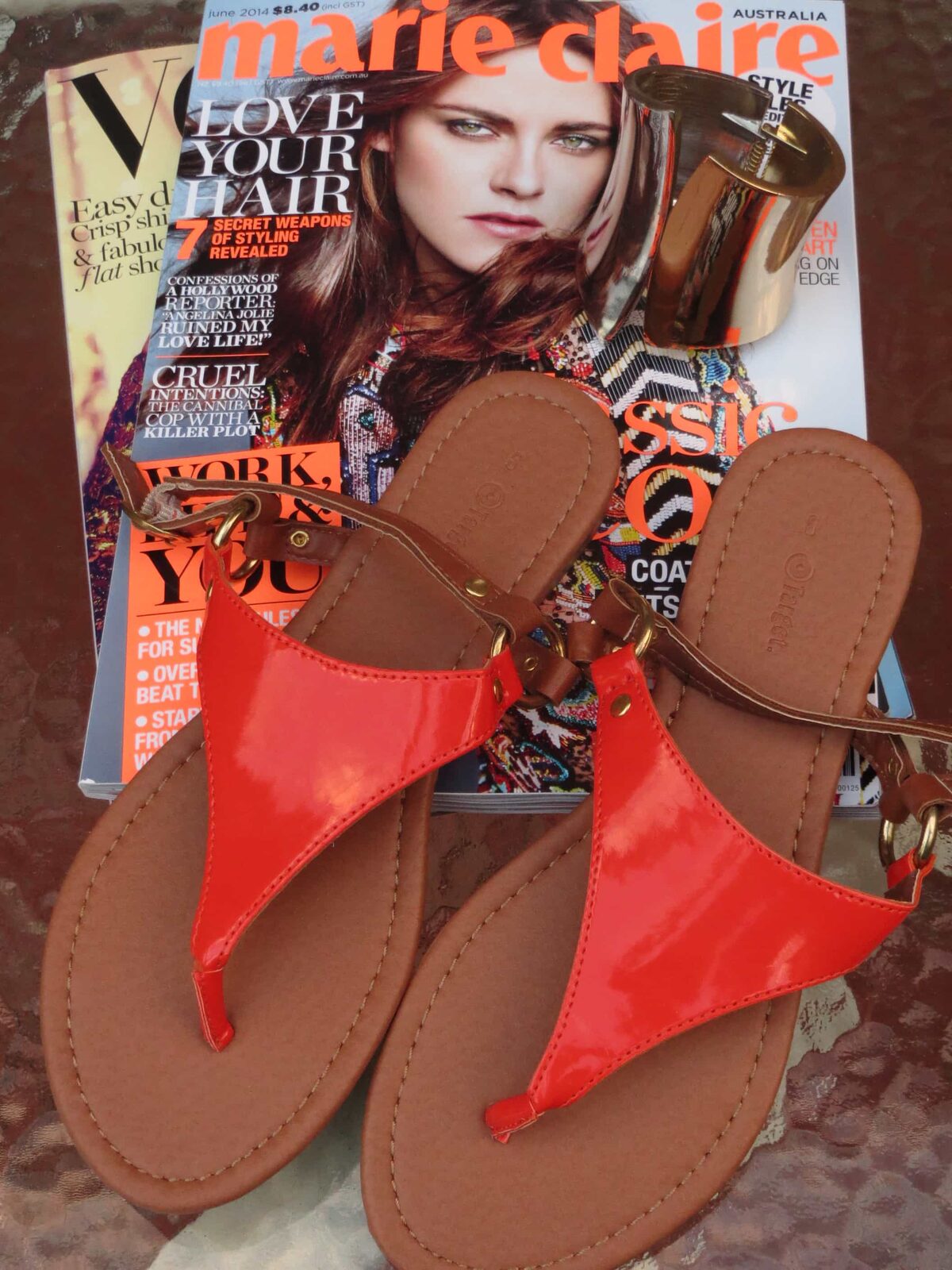
A flat summer sandal. Something you can walk kilometres in on a hot day. The everyday warm-weather shoe, not the dressy one above. Mine have come from Target more often than not, and I have never once been asked where.
A tall boot for winter. A knee or over-the-knee boot in black leather, flat or low-heeled so it is a real walking shoe. It sees you through the coldest months over jeans or leggings, and a good one, kept clean and resoled, lasts a decade. The pair in the photo at the top of this post has had exactly that life: bought once, worn every winter since, and still going. Look for a shaft that fits your calf properly, because a boot that gapes at the top or cuts in never gets worn no matter how good the leather.
There is a practical Melbourne truth stitched through all of this: four seasons in a day is not a joke, and a shoe you cannot comfortably walk or stand in will simply never leave the cupboard here. Comfort is not the boring option. It is the whole point.
The one that’s just fun
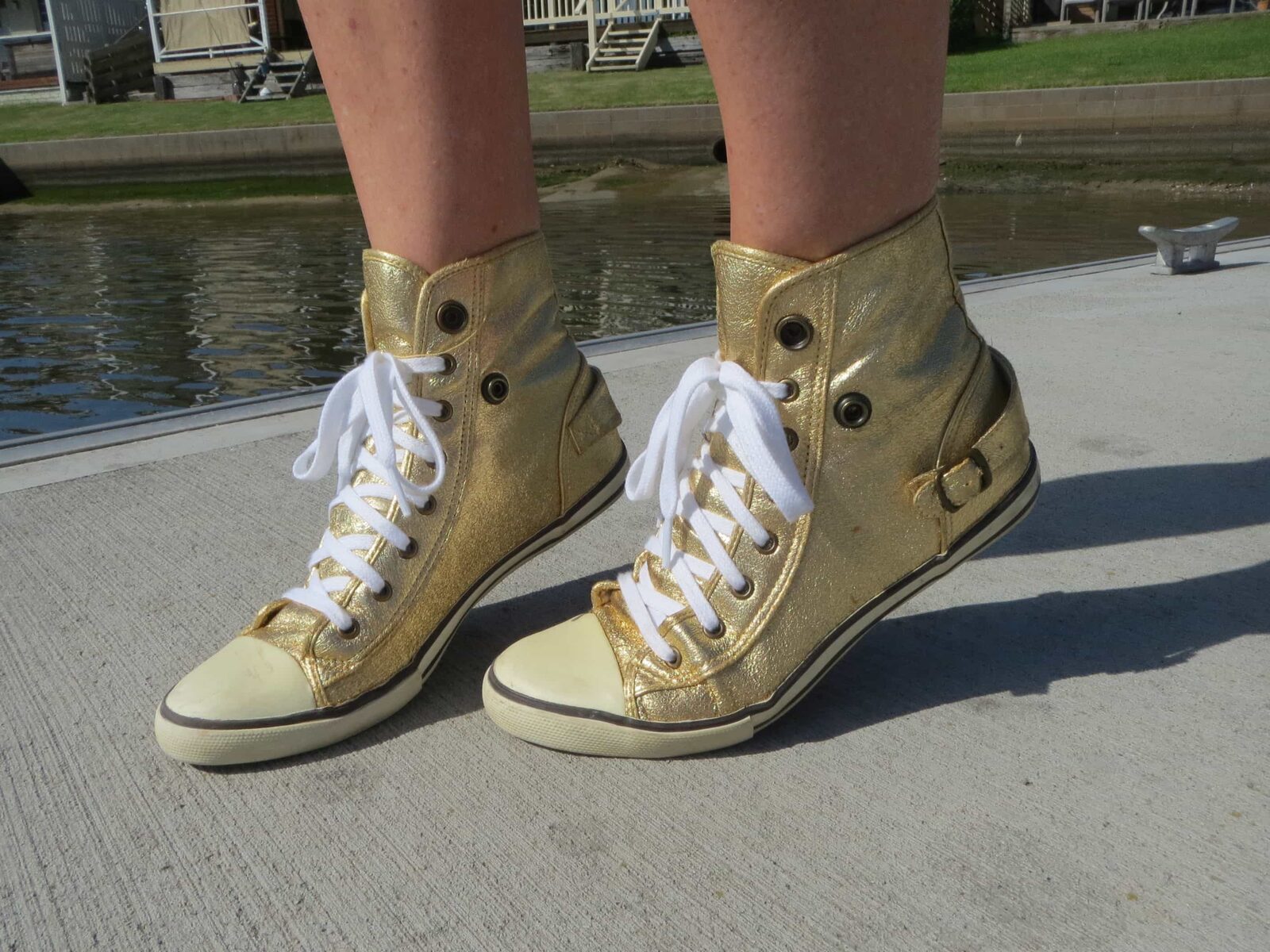
Every shoe wardrobe needs one pair bought purely for joy: a colour, a metallic, a bit of sparkle that makes a plain outfit sing. Mine has been gold sneakers, orange heels, all sorts. This is the pair to spend the least on and enjoy the most, because it is the icing, not the cake. A gold bargain has never once let me down.
Start with the gaps, not the whole list
Do not read all of this and go out to buy ten pairs at once. That is how you end up with ten more mistakes. Start instead by laying out the shoes you already own and matching them against the list above. Most people find they already have four or five of the essentials in some form, along with a pile of near-duplicates and a couple of pairs they have never worn.
Then buy only the genuine gaps, one at a time, in the order your life actually demands them. If you are on your feet all week, the comfortable everyday pair comes first; if a wedding season is looming, the nude heel does. Filling real gaps deliberately, rather than buying a whole wardrobe in a weekend, is how you end up with shoes that all get worn, and it spreads the cost so you can buy each one properly.
How to buy shoes so they actually get worn
A few rules save a fortune in unworn pairs.
Buy late in the day, when your feet have swollen to their largest, so a shoe that fits then fits always. Walk a new pair in gradually at home before you wear it out. A blister at a wedding is nobody’s idea of glamour. And be honest in the shop: if it is not comfortable there, on soft carpet, it will not magically improve on a concrete footpath.
Keep the very high heels for occasions rather than all-day wear. This is not just comfort talking, Australia’s healthdirect notes that poorly fitting and very high shoes contribute to real foot problems over time. A modest heel you can walk in will always be worn more, and look better for being worn with ease, than a spectacular one you hobble in.
Then look after them. A twenty-dollar resole and a regular clean turn a good pair of leather shoes into a ten-year pair, which is the whole cost-per-wear argument in miniature. The same one I make about clothes in it’s time to invest wisely.
How to spot a shoe worth keeping
When you are deciding whether a pair is worth spending on, a few things tell you almost everything.
Feel the upper, real leather softens to your foot and breathes, where cheap synthetic stays stiff and makes you sweat. Bend the shoe: a decent sole flexes at the ball of the foot, not in the middle, and a heel should not wobble when you press it. Look at how the sole meets the upper, because a sole that is stitched, or at least looks like it could be replaced, will outlive one that is simply glued on and destined for landfill the day it splits. And press your thumb into the insole. A bit of genuine cushioning is the difference between a shoe you wear all day and one you take off under the desk by eleven.
None of this needs a big budget. Plenty of well-made shoes turn up cheaply in the outlets and op shops; the point is to know what you are feeling for, so you can tell the bargain from the false economy.
The common shoe mistakes
The traps are the same ones I have fallen into myself, so I say this with feeling.
Buying for the shoe on the shelf rather than the foot in the shoe. It is beautiful, so you convince yourself the pinch will ease, and it never does. Buying the wrong size because it was the last pair in the sale, which is just a discount on something you will not wear. Owning six variations of the same black heel and no comfortable flat, so the same tired pair does all the walking. And chasing every shoe trend on a budget, which leaves you with a rack of cheap fads and none of the quiet workhorses that actually get worn. Fix those four and your shoe wardrobe halves in size and doubles in usefulness.
Where to spend, where to save
Put it together and the strategy is simple. Spend on the everyday leather (the white sneaker, the ankle boot, the work heel, the winter boot) because those you live in, and quality pays you back in comfort and years. Save on the statement pair, the strappy occasion sandal and the trend shoe, because those get worn rarely and nobody can tell what they cost.
That is where the budget shops earn their place: Target and Kmart for the fun and the occasional pairs, an op shop for a barely-worn bargain, and one of the affordable brands worth knowing for the everyday. Some of my most complimented shoes cost a few dollars, which is exactly the point I have made here since 2012.
And if you are not sure which ten pairs your particular life actually needs (a wardrobe heavy on work, or weekends, or events changes the list) that is the sort of thing a session sorts out fast. A personal stylist will map your real week to the shoes that serve it, and a personal shopper will help you find them well, whatever the budget.
Fourteen years on, the principle has not shifted: it is not about size, age or labels, and it is certainly not about the number of pairs. It is about owning the few that suit you and your life, and wearing them with ease.
And now you’re Looking Good Girls.
“…and, as shoes for your feet, the readiness given by the gospel of peace,” Ephesians 6:15.