Interview clothes have exactly one job.
To get out of the way.
Not to express you, not to be remembered, not to say anything clever. You want the person across the table thinking about your answers, and every unit of attention your outfit takes is a unit taken from what you came to say.
Which sounds like an argument for being boring, and it is not. It is an argument for being so comfortable and so appropriate that you stop thinking about it, because the version of you that has forgotten what she is wearing is a considerably better interviewee than the version adjusting a neckline.
The one rule: one notch above the room
Every interview outfit decision comes back to this.
Dress one step smarter than the people who work there day to day. Not two, which reads as a costume. Not level, which reads as having assumed the job was yours already.
One notch says you understand the place and you are treating this as an occasion. That is precisely the signal you want and it costs nothing to send.
And if you are unsure, go smarter. Nobody in the history of hiring has lost a role for being slightly too well dressed. Underdressed is read as not having bothered, which is a judgement about you rather than your clothes, and forty minutes is not long enough to undo it.
Finding out what the room is
You know less about this workplace than you will on any other day you set foot in it, so gather what you can.
Ask the recruiter or whoever booked you in. “What do people generally wear in the office?” is a completely ordinary question and internal recruiters answer it happily. They want you to do well.
Look at the careers page, not the brand site. Careers pages use real staff photographs far more often than marketing pages do.
Walk past, if it is local and you have the time. Ten minutes outside the building at five o’clock tells you more than an hour of searching. This is a Melbourne advantage, since most of the city’s offices are concentrated enough to make it practical.
And if you genuinely cannot find out, default to a jacket. A jacket is legible everywhere and can be removed in the lobby if you have clearly overshot.
The formula that covers almost everything
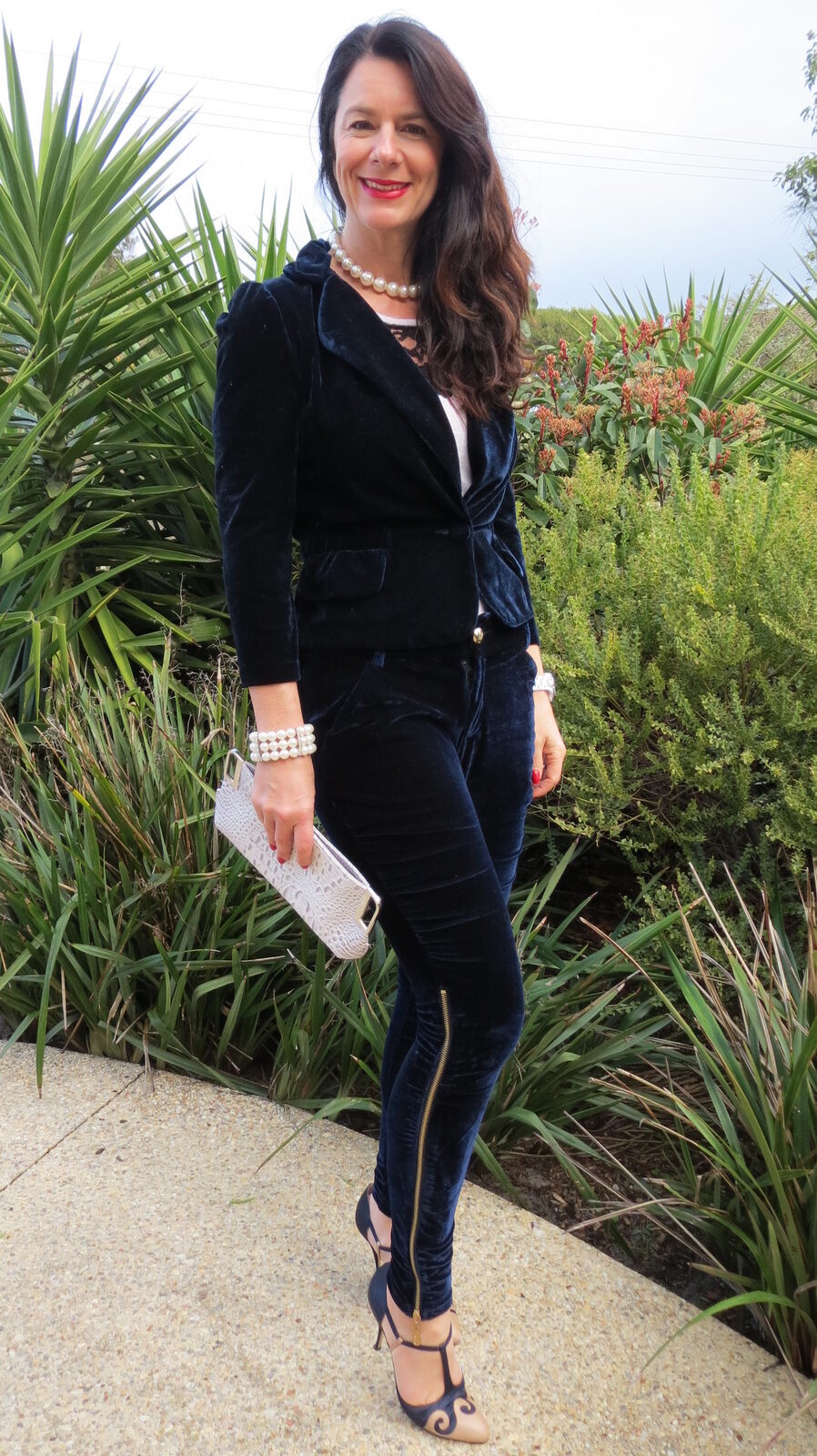
A jacket. This is the whole signal. Not necessarily a suit jacket. A blazer, a well-cut jacket, anything with a real shoulder and a clean line.
Something simple underneath, in a colour that suits you, with a neckline you do not have to think about once you sit down.
Tailored trousers or a knee-length skirt or dress. Whichever you are more yourself in, which matters more than which is more traditional.
Shoes you can walk to the tram in. Every interview involves more walking than you plan for, and arriving flustered costs you the first five minutes.
One piece of jewellery. Earrings or a necklace, not both, and nothing that moves or makes noise.
That is it. It works in a law firm and it works in a warehouse conversion in Cremorne, adjusted only by how formal the jacket is.
Colour, briefly
Navy, charcoal or mid-grey as the base. All three read as considered without the slight severity of head-to-toe black, which in a first meeting can come across as closed.
Then one colour near your face, chosen because it suits your colouring rather than because it is meant to convey something. The colour that actually suits your skin tone makes you look well rested, which is worth more in an interview than any symbolism.
Nothing so bright it becomes the subject. If the first thing said to you is a compliment about the colour, the outfit has failed at its one job.
The video round, which is now most first interviews
Worth treating properly, because a great many people still dress the top half and hope.
Structure at the shoulder and collar. The frame is from roughly the sternum up, so whatever says considered needs to be in that band. A jacket, a collar, a good neckline, one necklace.
Solid mid-tones read best. Anything with a tight repeat in it, a narrow stripe or a small check, tends to shimmer once the codec gets hold of it. Pure white blows out if there is a window behind you, and very dark colours sink into a dark room until only a face is floating there.
Wear actual trousers. You will be asked to fetch something, or you will stand to close a door, and it happens often enough to be worth the two minutes.
Check yourself on camera beforehand, in the light you will actually be in, because a neckline that is perfect standing up can be quite different on a laptop below eye level.
And dress fully anyway. This is not superstition. Getting properly dressed changes how you sit and how you speak, and both are audible.
When it is not a room with a table
Plenty of interviews now are not one person across a desk, and the format changes the brief.
A panel. More people, more angles, and you will be looked at from the side for long stretches while somebody else asks their question. Side profiles are unforgiving about a jacket that only works from the front, so check yourself sideways as well as straight on.
A group assessment. Everybody is dressed to be noticed and the instinct is to compete. Do not. The person who looks calm in the room of people trying is the one the assessors remember, and calm is mostly a function of not having to manage your clothes.
A trial shift or a site visit. Here the notch rule inverts slightly, because turning up to a warehouse floor or a kitchen in a good jacket is its own kind of not paying attention. Ask what you will actually be doing, wear the smart end of what that job wears, and bring closed shoes without being told.
A coffee, which is really an interview. Informal wording, formal judgement. One notch above whatever they suggested, every time.
Dressing for nerves, which nobody mentions
You will be more nervous than usual, and your body will behave differently. Plan for it.
Nerves make you warm. So a jacket you can take off matters more than usual, and a fabric that shows damp matters more than usual too. Pale grey is the least forgiving colour in the room for exactly this reason.
Your hands will want something to do. Which is an argument for a bag with a strap and against a garment with a fiddly detail at the neck or the cuff.
You will be sitting for most of it. So check the outfit sitting down, in a chair like the one you will be in. Skirt length, waistband, gaping, all of it behaves differently at ninety degrees.
And you will be sitting for longer than you think. Interviews run over. Comfort is not a luxury here, it is a performance consideration.
If you are changing industries
The hardest interviews to dress for are the ones where you are crossing over, because your existing work wardrobe is evidence of the job you are leaving.
Coming from a formal industry into a relaxed one, soften rather than abandon. Keep the jacket and change what is under it. Turning up in a full suit to a studio suggests you have not looked at the place, but arriving in something deliberately casual to prove you can be reads as trying too hard, and both are noticed.
Going the other way, into somewhere more formal, buy one thing and borrow nothing. A jacket that fits you properly is the whole investment, and it will carry the shirts you already own for the eighteen months it takes to build the rest.
And returning after time out, which is its own category, the pull is towards buying a complete new identity in a week. Resist it. Two or three things that fit now, chosen for the body and the life you have today rather than the ones you had before the gap, will do more for how you walk in than a full wardrobe of hopeful sizes.
What to leave at home
Anything brand new and untested. The most common interview clothing mistake by a distance. You do not yet know how it behaves after two hours.
Anything you have to hold in place. A wrap that slips, a neckline that shifts, a hem that rides. Every adjustment is attention you have spent.
Strong fragrance. Interview rooms are small and some people react badly.
Noisy jewellery. Bangles on the table during a written exercise are genuinely distracting for both of you.
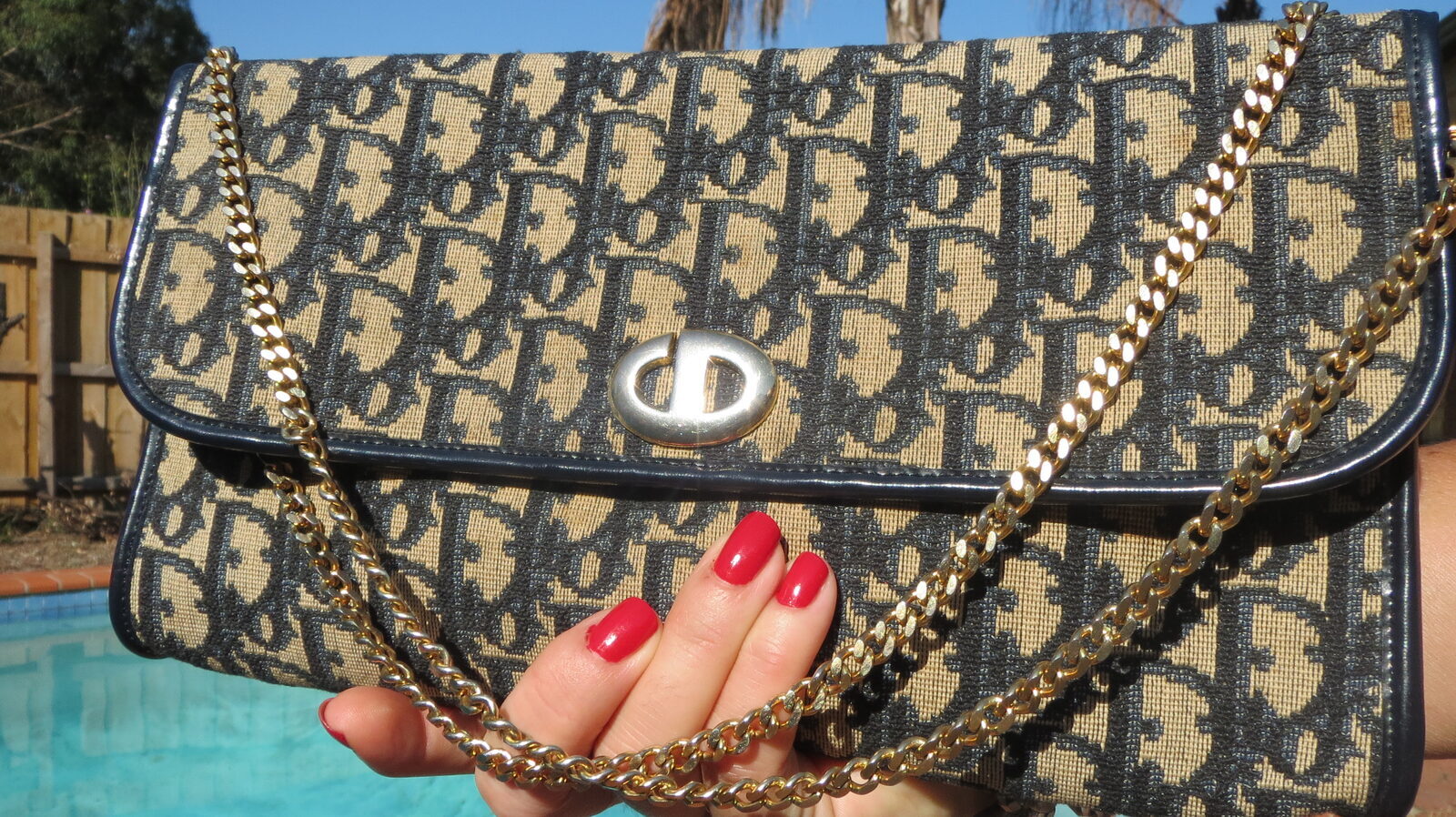
And a bag you cannot manage. You are carrying a folder, possibly a coat, and shaking hands. A clutch is the wrong choice for exactly this reason, however good it looks. Something with a strap keeps a hand free.
The morning of
Lay it out the night before, complete, including the shoes and what goes on your wrist. Interview mornings are not for decisions.
Check the weather properly, since Melbourne will do what it likes and arriving damp is a poor start. A layer that belongs to the outfit solves it.
Allow for the walk. From the tram or the car park, in whatever the shoes are.
And give yourself a mirror at the destination, not at home. Five minutes in a café bathroom nearby beats arriving straight from the street.
On no budget
Interviews arrive at short notice, often while you are between jobs, which is the worst possible moment to be told to buy a suit.
You almost certainly do not need a new outfit.
One jacket that fits properly will carry almost anything underneath it. If you own a jacket that is close, a tailor will fix the sleeve length and take in the waist for a fraction of a new purchase, usually within a week.
Good jackets are the single most reliable thing in an op shop, particularly in the wealthier suburbs where they are given away barely worn. I have set out where and how in the best op shops in Melbourne.
And nobody in that room can price your clothes. They can tell whether the jacket fits your shoulders. That is the entire difference, and it costs twenty dollars to buy rather than four hundred.
The short version
- The job of interview clothes is to get out of the way.
- One notch smarter than the room. If unsure, smarter.
- Ask the recruiter what people actually wear. They will tell you.
- A jacket, something simple, tailored trousers or a knee-length skirt, shoes you can walk in, one piece of jewellery.
- Navy or charcoal, plus one colour near your face that suits you.
- On video, structure at the collar, solid mid-tones, and real trousers.
- Nerves make you warm and make your hands restless. Dress for that.
- Nothing new, nothing you must hold in place, nothing that rattles.
Interviews rarely give you a month. They give you until Thursday, usually while you are already unsettled, and that is when a wardrobe stops being legible to its owner. If that is where you are, the useful thing is a second pair of eyes on what is already hanging up: $299, two hours, a personal stylist in Melbourne, and most weeks the outfit was in the house all along with one sleeve to shorten. The exception is a genuine gap, no jacket and no near miss, which is what a $399 Half Day with a personal shopper in Melbourne is for. Then there is the pleasanter problem of what to wear once you have the job.
Now go and put it on and sit in a chair for ten minutes.
And now you’re Looking Good Girls.
“In their hearts humans plan their course, but the Lord establishes their steps.” Proverbs 16:9.