
A personal stylist works out what genuinely suits you (your shape, your colouring, your life) and then builds a working wardrobe around it. Not a new wardrobe necessarily. A working one.
That is the whole job in a sentence, and it is nothing like what most people picture. The picture in most people’s heads involves a rack of designer clothes, a lot of opinions, and a bill. The reality is closer to a very practical afternoon in your own bedroom, with someone who has no emotional attachment to the jacket you spent too much on in 2019.
I have been doing this in Melbourne for fourteen years, and writing down every outfit and every price on this blog while I do it. So here is what actually happens, honestly, including the parts nobody advertises.
Why this matters more than it sounds
Most women I meet do not have a shopping problem. They have a decision problem.
There is a wardrobe full of clothes, and roughly nine of them are in rotation. The rest hang there being vaguely reproachful. Every morning starts with the same five minutes of standing and staring, and the same conclusion, which is the black trousers again.
None of that is a taste failure. It is what happens when clothes are bought one at a time, each one perfectly nice on its own, none of them bought to work with anything else. You end up with a collection of individual garments rather than a wardrobe, and a collection cannot get you dressed.
A stylist’s real product is not clothes. It is the removal of that five minutes, permanently.
What actually happens in a session
It starts with a conversation, not a wardrobe
Before anything gets pulled off a hanger, we talk about how you actually spend your week.
Not how you would like to spend it. Not the version with the gallery openings. The real one: school run, three days in an office where the heating never works, a Saturday that involves either a netball court or a supermarket, and about four events a year where you panic.
I ask what you own that you love, what you avoid, what you would never wear again, and what you are quietly hoping I will not make you throw out. Budget comes up early, plainly, and nobody needs to be embarrassed about the number.
That conversation decides everything that follows. A wardrobe built for the imaginary life is exactly how people end up with nine things in rotation.
Then the wardrobe edit, which is the real work
This is the part that changes things, and it happens in your home, with your own clothes.
Everything comes out. Everything gets sorted into four piles, and I am ruthless in a way you cannot be about your own things, because I did not pay for any of it.
Keep. It fits, it suits you, you wear it.
Tailor. This pile is always bigger than people expect, and it is the highest-value pile in the room. A $60 pair of trousers that fits properly beats a $300 pair that does not, and hemming costs about twenty dollars. Half of what people think they need to replace, they need to alter.
Retire. It does not fit, it does not suit you, or it has not been worn in two years and both of us know why.
Guilt. The pile nobody talks about. Things kept because of what they cost, what size they represent, or who gave them. This pile is emotional, not sartorial, and it takes up an astonishing amount of wardrobe space.
Only after all that do we know what is genuinely missing, and it is usually four or five specific things, not the forty a shopping trip would have produced.
Then we build outfits and write them down
Loose clothes are not a wardrobe. Outfits are.
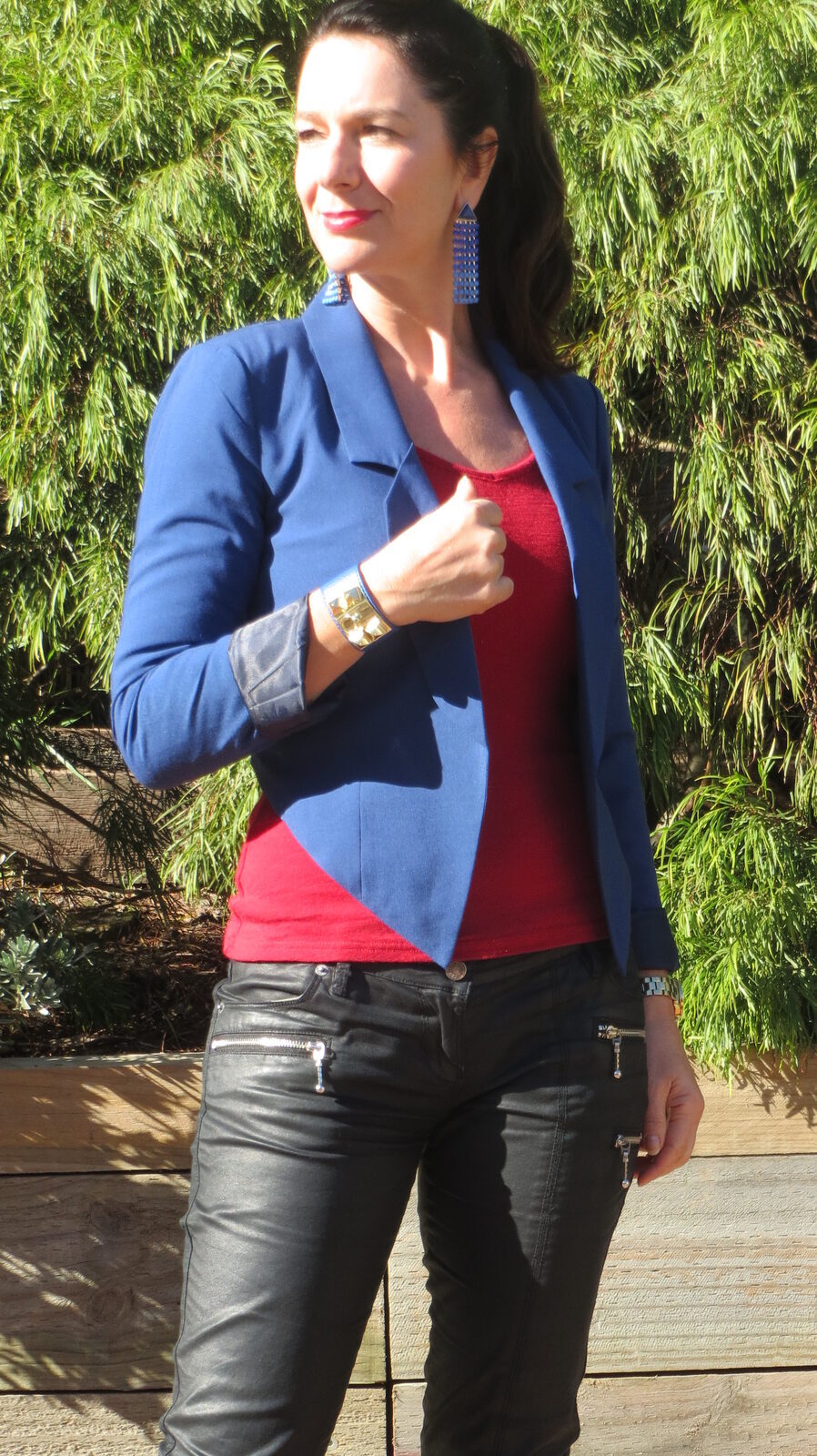
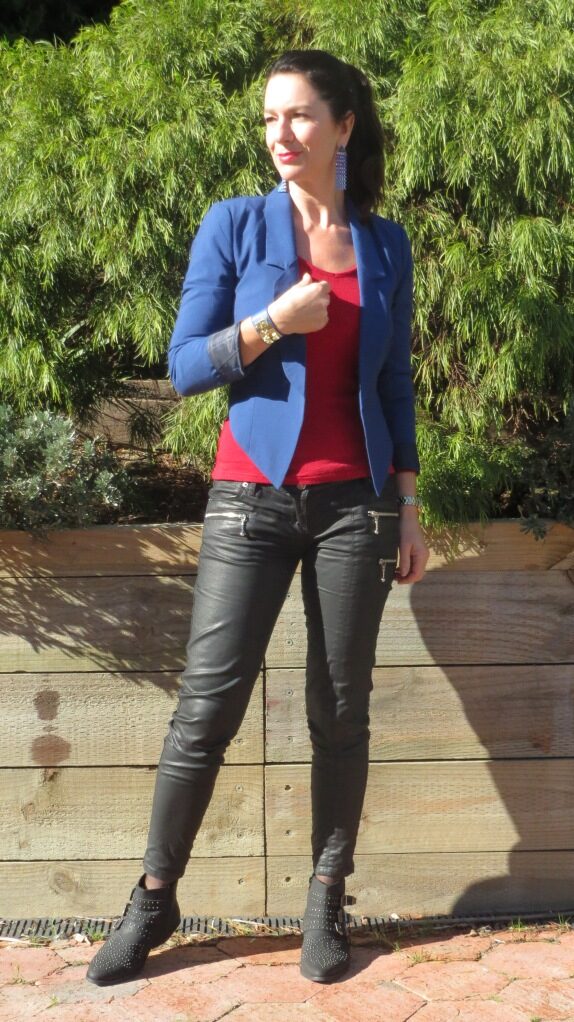
We put together complete looks (every piece, down to the shoes and what goes on your wrist) and we photograph them. That last part matters more than anything else in the session, because outfit combinations evaporate about ninety minutes after the stylist leaves.
What you end up with is a lookbook: fifteen or twenty finished outfits, made from clothes you already own, that you can reproduce on a Tuesday morning without thinking. That is the deliverable. Not a bag of new clothes.
Shopping comes last, if it comes at all
By now there is a short, specific list. Not “some tops”. A charcoal knit that works with the three skirts we already found, in a crew neck, at this budget.
Sometimes the list is empty and the session ends with nothing bought. Those are good sessions.
What you actually walk away with
Worth being specific, because “a styling session” is vague enough to mean anything.
You get a wardrobe you can see the bottom of. You get a tailoring list with the specific alterations written down, because “take these in a bit” is not something a tailor can work from. You get somewhere between fifteen and twenty complete outfits, photographed, using clothes you already own. You get a short shopping list with reasons attached, so that in six months you still know why that particular jacket was on it.
And you get the thing underneath all of it, which is a set of rules for your own body that keep working after I have gone. Why V-necks do something for you that crew necks do not. Which two colours make your skin look like you slept. Where your waist actually is, as opposed to where trousers assume it is.
That last part is the difference between hiring a stylist once and needing one forever. If you cannot dress yourself better afterwards, the session has failed, however nice the outfits looked on the day.
The common mistakes I see every single week
Buying the outfit in the photograph. Something looks wonderful on a rack or a stranger, so it comes home, and then it has nothing to go with. This is how the nine-in-rotation wardrobe gets built, one perfectly reasonable purchase at a time.
Dressing quietly to avoid comment. The women who tell me they feel invisible at work are almost never dressed badly. They are dressed carefully, in colours chosen not to be noticed. One clear colour changes it completely, and I have written about getting your colours right before, including the time I wore gold when I am unmistakably a winter, and looked it.
Confusing cheap with thrifty. Spending nothing on everything is not thrift. It is a wardrobe full of things you do not quite like. Real thrift is deciding where the money goes, spending almost nothing on most of it, precisely so you can spend properly on the few pieces that carry the rest. What does not belong in anybody’s wardrobe is the $180 skirt bought without thinking, worn twice and quietly resented. That is where most clothing budgets actually die.
Skipping the tailor. Still the cheapest, most transformative thing available to anybody, and still the most ignored.
Waiting to lose weight first. The clothes that fit the body you have today are the ones that make you look and feel best today. Nothing hanging in a smaller size has ever made anyone feel good on a Wednesday morning.
Three real examples, all of them mine
I would rather show you my own wardrobe than describe a client’s, so here are three things I have written up on this blog over the years. Each one is a principle rather than a story.
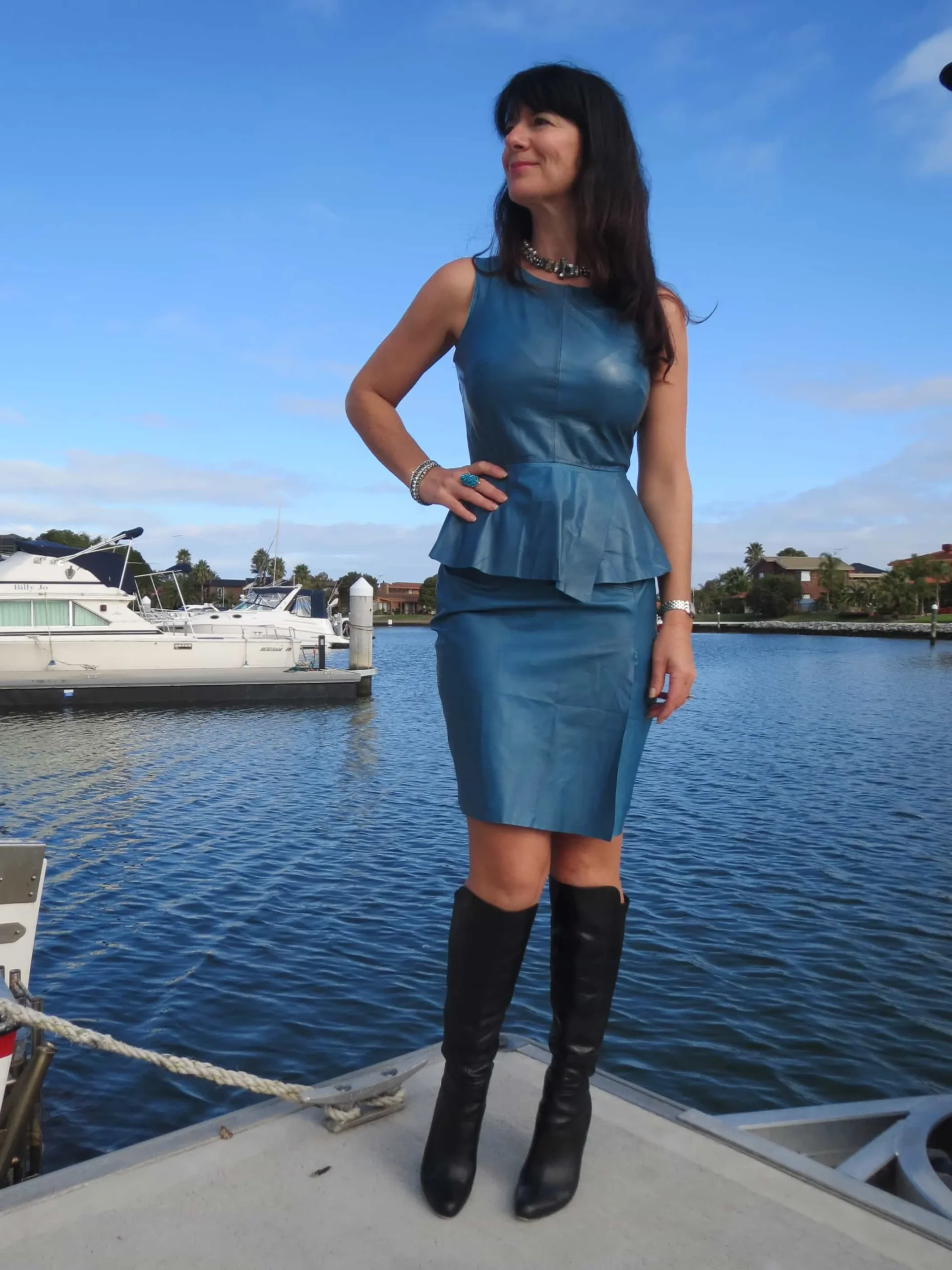
The $800 skirt. After more than a decade of $4 op shop finds, I spent $800 on a Morrison teal leather skirt and matching peplum top, and I still think it was one of the best purchases I have made. The full reasoning is in it’s time to invest wisely, but the short version is cost per wear: an $800 piece worn twenty times a year for five years costs eight dollars a wear, and the $60 one worn three times costs twenty. The expensive one is straightforwardly cheaper.
The free dress. The dress I wore in a national television commercial was given to me by a friend clearing out her wardrobe, tags still attached. Nobody watching it knew or cared, because nobody ever can. Fit and colour do the work, and I will come back to that in a moment.
The bargains that keep going. A gold skirt bought for almost nothing has now been photographed on this blog across three different years with three different tops, and the op shop finds are still some of the most-worn things I own. This is what a wardrobe looks like when pieces are bought to combine rather than to be admired individually.
Those three sit happily together, which is the actual point. A wardrobe is not a price bracket. It is a set of things that get on with each other.

What fourteen years of this has actually taught me
The best lesson I ever got in styling came from a television wardrobe department, of all places.
I have done a bit of commercial work over the years (an AAMI Rhonda and Ketut ad, a speaking part in the Molly telemovie) and standing in a holding room while professionals decide what you wear is an education.
They are not looking for the most beautiful dress. They are looking for the one that reads fastest. One clear shape, one clear colour, nothing that turns to visual mush at a distance. An outfit with lots of small fussy detail disappears; a simple one with a strong line does not.
That is not a television trick. It is exactly what happens when you walk into a room full of people.
The other thing, and it is the reason this blog exists: nobody can tell what anything cost. The camera cannot distinguish a $400 dress from a hand-me-down that fits well and catches the light, and neither can anybody at a party. That AAMI dress was free, a friend cleared out her wardrobe and posted it to me with the tags still on. The whole story is in the post I wrote about that shoot.
Fit, colour and a clear line do all the work. Price does almost none of it.
Melbourne makes this easier than most cities
This city rewards knowing where to go in a way that few others do.
The range runs from Chapel Street boutiques to the DFO outlets, with genuinely good op shopping in between, and the good stuff is spread out rather than concentrated in one strip. Fourteen years of walking these shops has taught me which ones reward a careful look, which labels run small, where the markdowns land and when, and which places are simply not worth the drive.
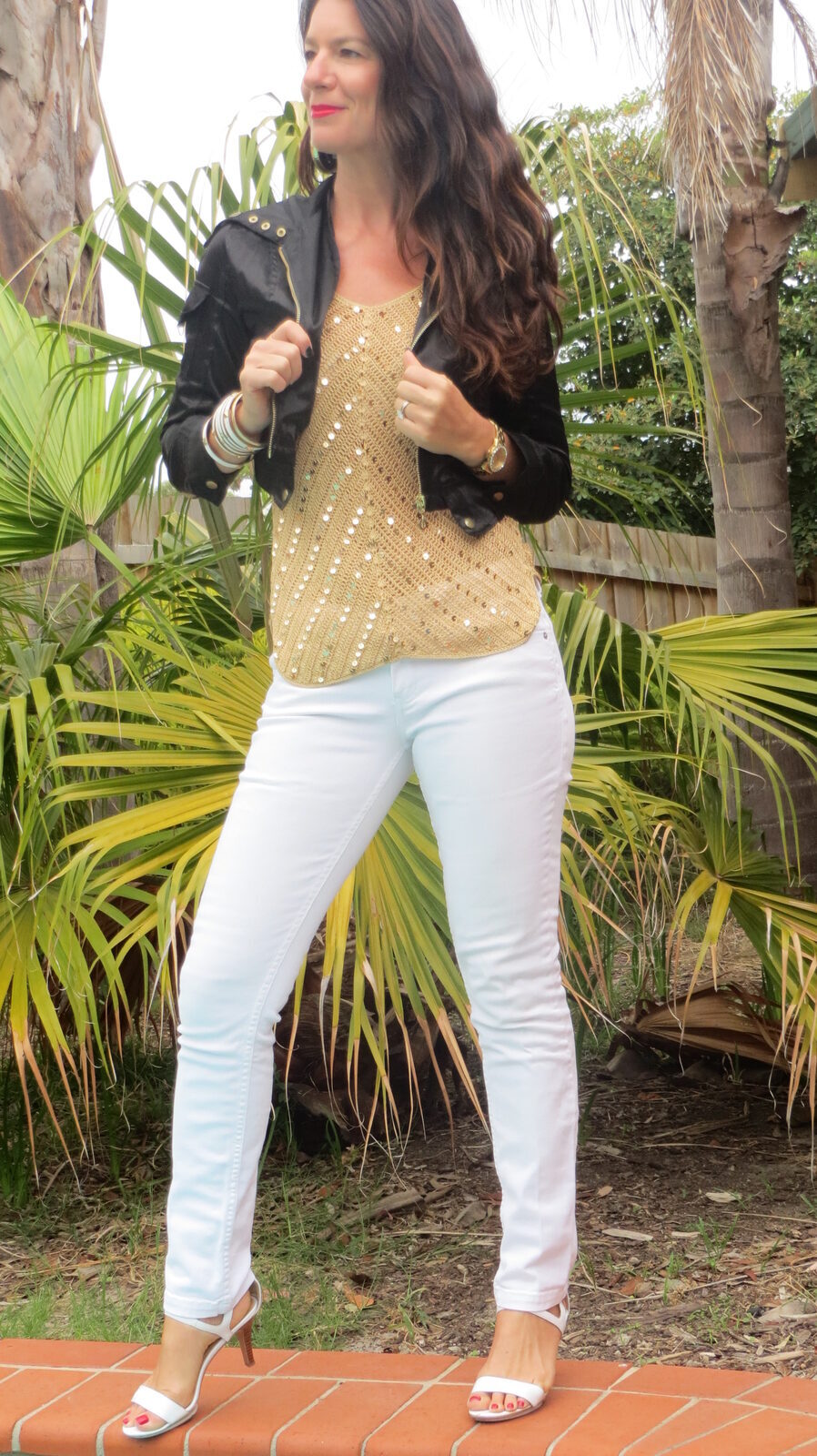
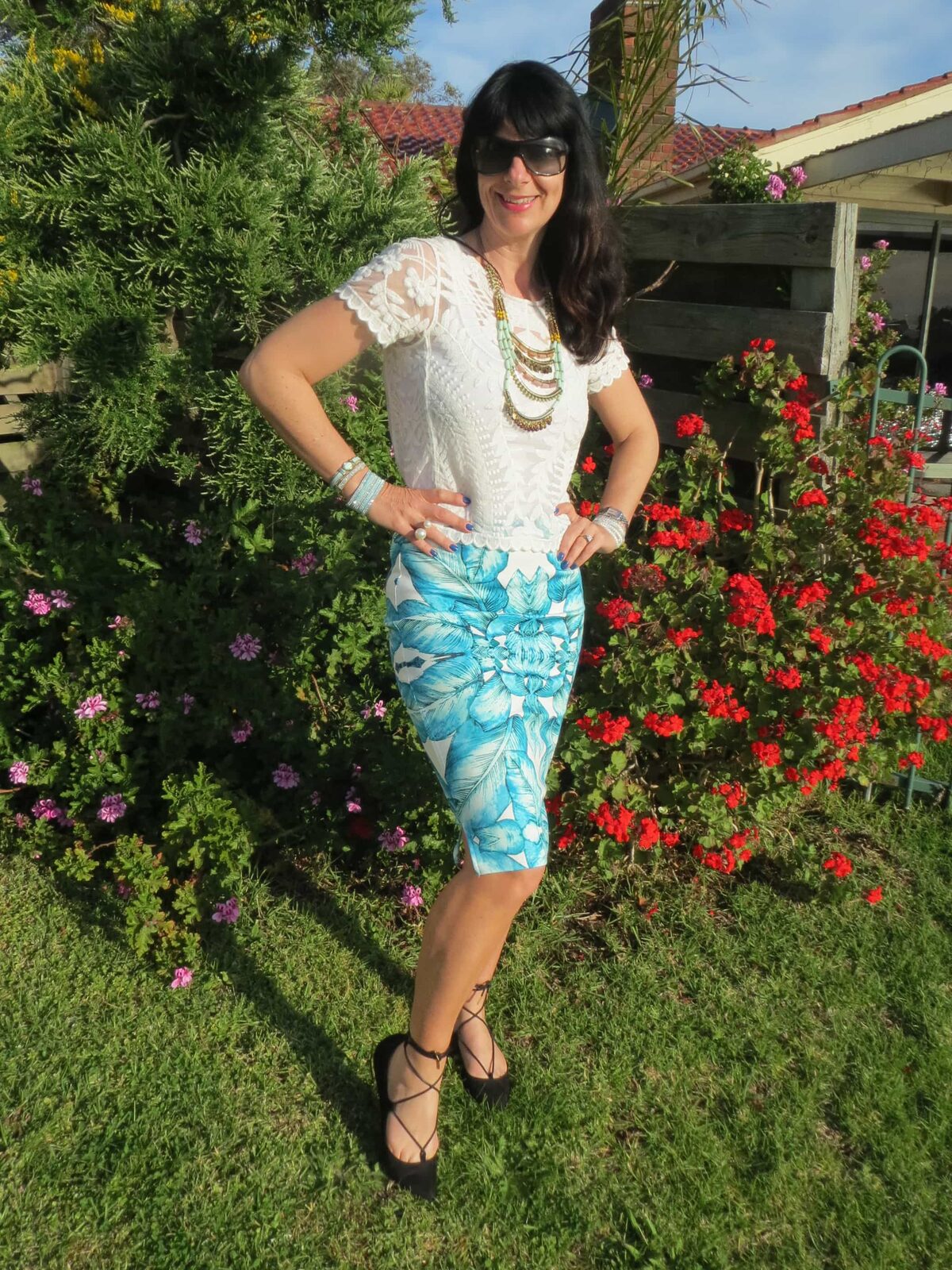
Some of my favourite finds have come from small local boutiques rather than the big centres, the blue tailored jacket above came from Maddy at French Pony in Brighton, and I have worn it for a decade.
There is also a practical Melbourne problem worth naming: four seasons in a day is not a joke, and a wardrobe built without layering in mind will fail here about two hundred days a year. Anything that cannot have a layer added or taken off without wrecking the outfit is a bad buy in this city, however lovely it looks in the shop.
Judging a stylist before you pay one
A stylist’s own taste is the product, and you should be able to look at it before you spend anything. That matters considerably more than any certificate. There are fourteen years of outfits, prices and blunt opinions on this blog and hundreds more in the styling archive, including plenty of things that did not work, which are frankly more useful than the ones that did.
Beyond that, one signal does most of the work. Be wary of anyone who talks in seasons and trends rather than in your shape and your week. Trends are the easy part and they are free on the internet. Knowing that a particular shoulder line does something unfortunate to your proportions is the part worth paying for.
The rest of it, including the six quite different jobs that all get called styling, what a qualification actually means in Australia and how to read a portfolio properly, is in how to choose a personal stylist in Melbourne.
Do you actually need one?
Honestly, not everybody does.
If you enjoy shopping, you know what suits you, and you get dressed each morning without friction. You are fine. Keep your money.
It is worth it when something has shifted. A new job with a different dress code. A body that has changed, through babies or years or illness, and a wardrobe that has not caught up. Going back to work after time away. A wardrobe that has stopped working and no clear idea why.
And it is worth it when the maths says so, which it does more often than people expect. Australians buy more clothing per person than anyone else on earth: 56 new items a year, at an average of $13 each, according to the Australia Institute. That is roughly $700 a year, most of it spent one hopeful purchase at a time. It does not take many of those going unworn to add up to the price of a session.
If that sounds familiar, the personal styling packages run from $299, and a personal shopping day is the version for people who already know what they need and just want the hunting done properly.
Whatever you decide, the principle underneath all of it is the one I have been repeating here since 2012: it is not about size, age or labels. It is about knowing what suits you, and then owning fewer, better versions of it.
And now you’re Looking Good Girls.
“She is clothed with strength and dignity; she can laugh at the days to come,” Proverbs 31:25.