
Years ago a friend from church invited me to a private sale being held by her friend, who owned a boutique in Brighton.
I walked into a house and found racks of designer clothing, shoes and bags. Some of it brand new, some worn once or twice.
Nothing was over twenty dollars.
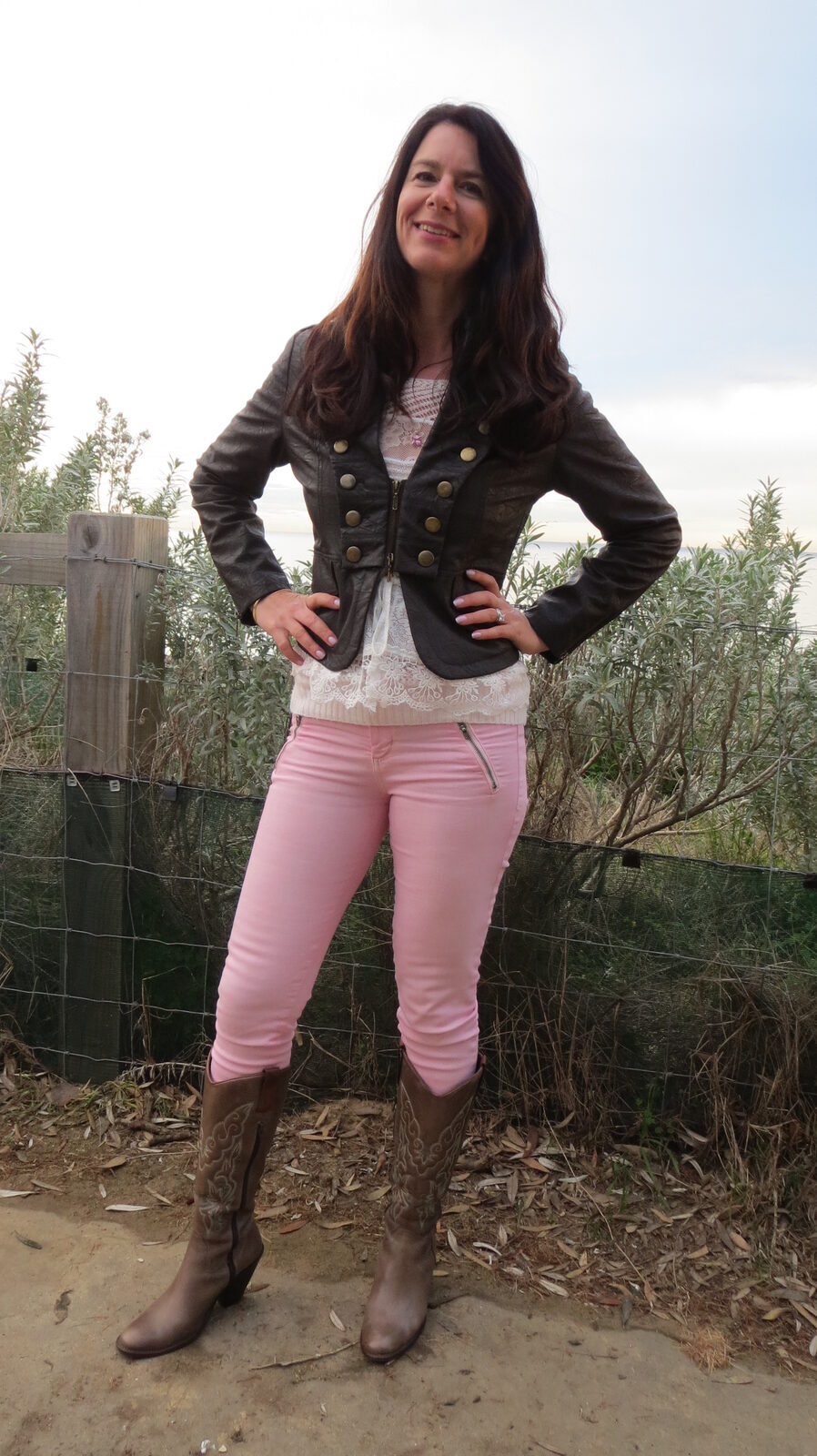
That jacket was $20 at that sale. So were a great many other things I wore for years afterwards.
I open with it because it is the whole point of this post. Bayside is the most expensive shopping in Melbourne, and the way you actually shop it well has almost nothing to do with your budget.
The fact that explains Brighton
Church Street in Middle Brighton is the strip everybody means when they say Brighton shopping, and there is a number that explains everything about it.
It has the lowest vacancy rate of any shopping strip in Melbourne. Around 0.7 per cent, and it has held that title year after year in Fitzroys’ annual survey, reaffirming what the agents call its blue-chip status. Compare that with Chapel Street’s recovery to about seven per cent, which is considered excellent, or the fashion end of Bridge Road at over twenty-five.
Nothing on Church Street stays empty. Which tells you three things at once.
The rents are among the highest in the city, and that reaches the price tags. You are paying for the address, partly.
The mix stays high-end, because only certain businesses can carry that rent. Scanlan Theodore, Country Road, Trenery, Sportscraft, Saba, Husk and Mecca, alongside the banks, the supermarkets and the Dendy.
The shops that are there tend to stay, which is genuinely valuable. A relationship with a Church Street shopkeeper is worth building because they will still be there in three years, which is not something you can say about most strips.
Bay Street is the other Brighton
North Brighton, split by the railway line, and a completely different animal.
More independents, fewer national chains, over forty bars, cafes and restaurants, and the Palace cinema. It is less polished than Church Street and considerably more interesting for it.
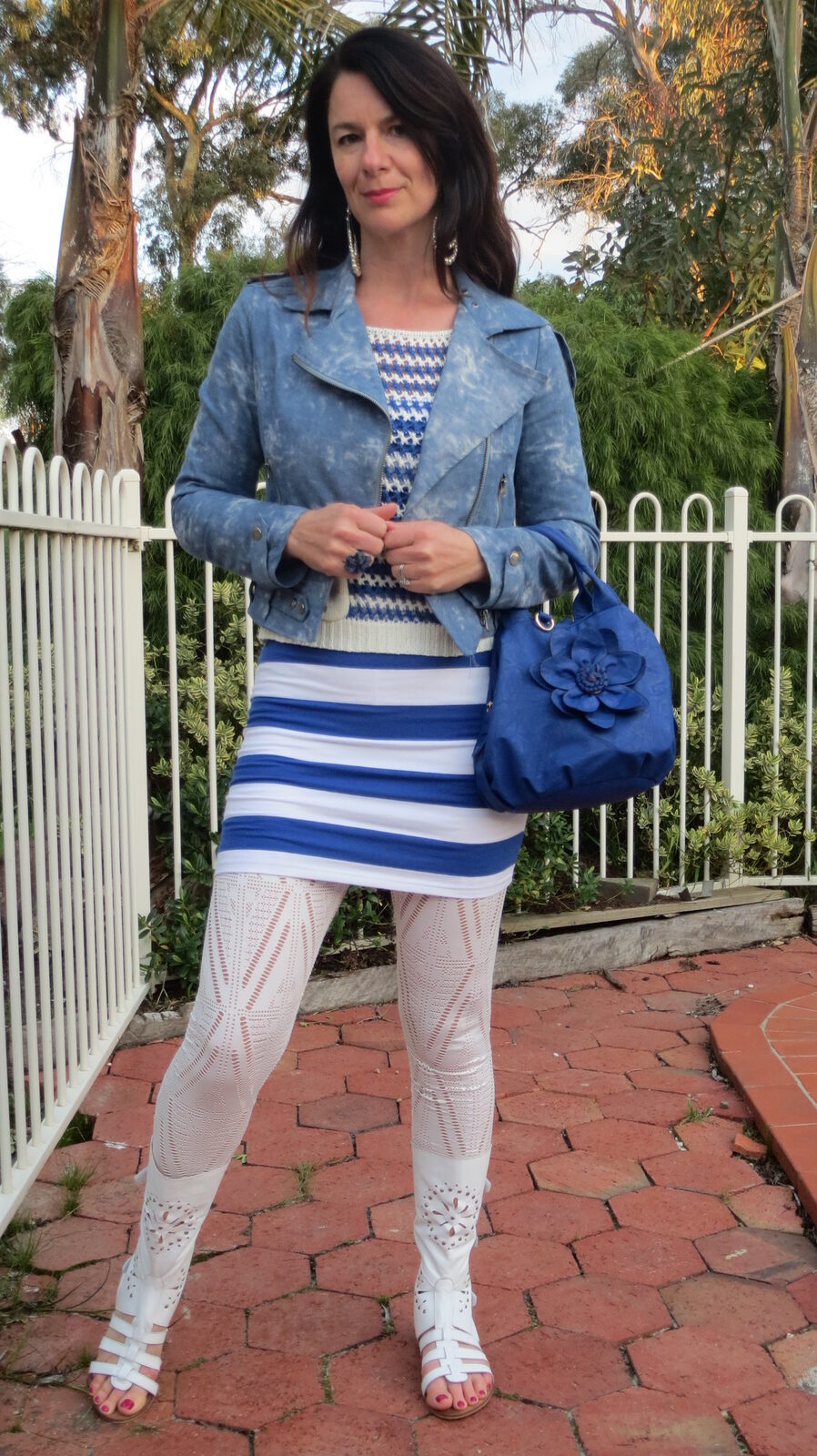
Those white Roman sandals were $20 from my favourite Brighton boutique owner, and they were made in Italy. The rest of that outfit was Valleygirl: the leggings $15, the singlet dress $7, the knit $15.
That is Bayside shopping done properly, and it is not a contradiction. One good piece from someone who knows you, and the rest from anywhere.
The rest of Bayside, which nobody writes about
Brighton gets all the attention and it is only one part of it. Bayside City Council counts several retail villages across the municipality.
Hampton Street, Hampton is the longest strip in Bayside, with more than 320 businesses. Less fashion-heavy than Church Street, far more relaxed, and a good deal cheaper to park near.
Bay Road, Sandringham and the Beaumaris Concourse are quieter again, built around cafes and services more than clothing, and worth the detour mainly for the op shops.
Martin Street, Gardenvale is small and easy to miss.
Be realistic about all of them. These are neighbourhood strips rather than fashion destinations. What they have is the thing I care about most, which is a very good donation catchment.
The best reason to drive to Bayside
I will be blunt about this, because most guides to Brighton will not be.
If you do not live here, the boutiques are not the reason to come. Scanlan Theodore, Country Road and Mecca all trade in the city and at Chadstone. Driving to Church Street to buy a national brand is a pleasant afternoon rather than a shopping strategy.
The op shops are the reason to come.
A charity shop can only sell what the surrounding streets donate, and these are streets with very expensive wardrobes in them. This is where the labels turn up at four dollars because somebody got bored of them. I set out the full method in the best op shops in Melbourne, including the part where the smart move is often the shop just outside the wealthy strip rather than the one in the middle of it.
Come for the second-hand. Have lunch on Church Street. That is the right way round.
How to actually get the good stuff
Now the part that matters, because it is the difference between shopping Bayside and shopping it well.
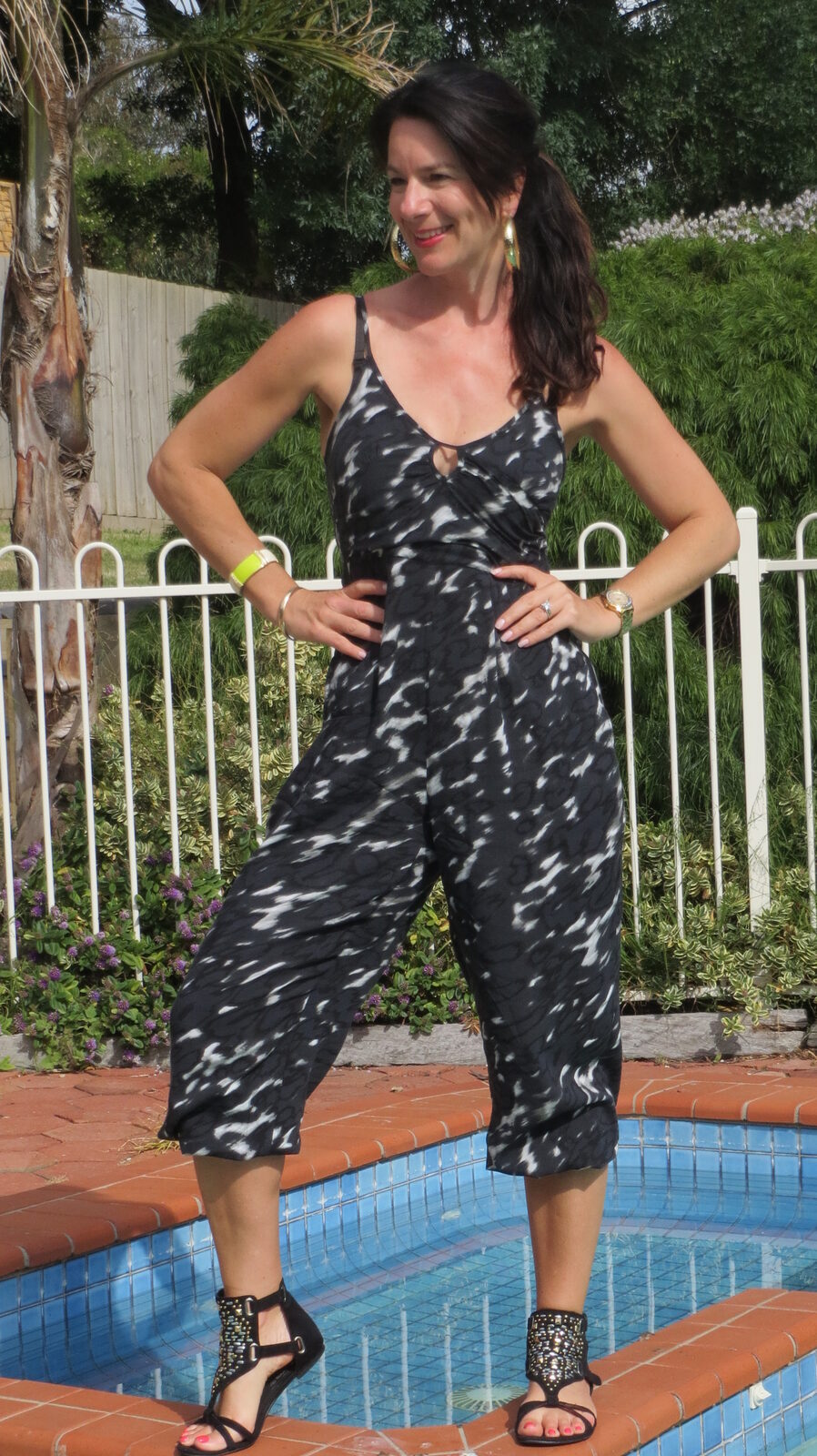
That jumpsuit was $20 from my Brighton boutique lady. So were the Wittner heels below, and a pair of tie-dye shorts, and a good deal else over the years.
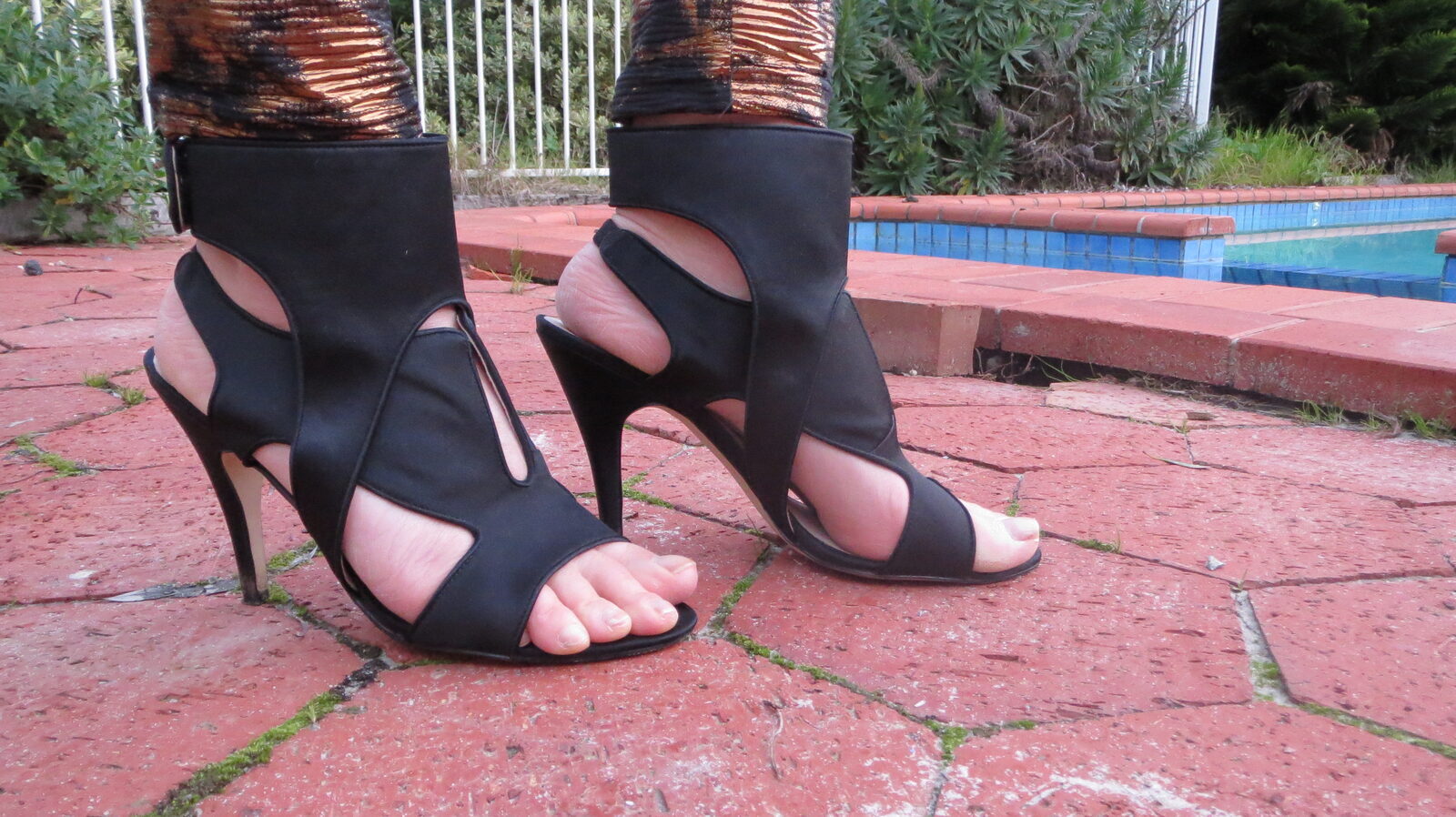
None of that was luck, and none of it was on a rack with a sale sign.
Become a regular rather than a customer. Go back. Buy the occasional thing. Talk to the owner about what you are actually after rather than browsing in silence. This costs you nothing and it is the entire mechanism.
Then the calls start. Boutique owners know their stock and they know their customers. When something comes in that suits you, or when they mark down, the people who get told are the people whose taste they can picture.
And eventually the private sales. Owners clear their own wardrobes, and they are people whose wardrobes are worth clearing. That house full of twenty dollar designer pieces was not a public event. I got there because a friend knew her.
One caution, honestly. The boutique I bought most of this from was on Bay Street and I could not tell you whether it is still trading. Small independents turn over, even in Bayside, and that is the trade you make: a relationship with a person rather than a brand. It is worth far more while it lasts, and it does not last forever.
What a good boutique owner actually does for you
People think the reason to use an independent is to support a small business, and that is a fine reason, but it undersells what you are getting.
They see you in three dimensions. A chain assistant sees a customer and a size. Someone who has watched you try on fifteen things over two years knows your shoulders are broad, that you never wear anything above the knee, and that you have said no to every wrap dress you have ever put on. That is a styling brief they built for free.
They will tell you no. This is the real test of a good shop, and it is why I trust a handful of owners more than any amount of window dressing. A shopkeeper who says “that is not right on you, come back Thursday” has just protected a relationship worth years of custom by giving up one sale.
They know their labels’ quirks. Which brand runs a size small, which one drops its hems after a wash, which one is worth waiting for the markdown on. That knowledge is not written anywhere and it is available to anybody who asks.
They hold things. The single most useful sentence in retail is “I will put it aside for you”, and you only get it once someone knows your name.
Walking into an expensive shop without feeling out of place
I am putting this in because it comes up with clients more than any other Bayside question, usually said quietly, and it deserves a straight answer.
Church Street can be intimidating. Beautiful rooms, expensive stock, staff who look immaculate. A lot of women simply do not go in, or go in and buy something they did not want because leaving empty-handed felt rude.
Nobody is assessing you. The person on the floor is on their feet all day hoping somebody will tell them what they are after so the shift becomes interesting. That is genuinely all that is happening.
Say what you want at the door. “I am after a coat for work, under $400, and I do not suit anything boxy.” You have just turned yourself from a browser into the easiest customer of their day.
Ask the price early and out loud. The awkwardness only exists while it is unspoken. Asking is normal, and it stops you falling for something you were never going to buy.
Leaving with nothing is a complete outcome. Say thank you and go. You are allowed to look at clothes without a transaction, and the shops that make you feel otherwise are telling you something useful about themselves.
And dress how you like. I have shopped Church Street in things that cost four dollars. Nobody has ever asked.
What to buy where, in Bayside
Church Street: the considered investment piece. A coat, a good knit, the thing you will wear for a decade. Also the strip where the staff genuinely know their labels’ sizing, which is worth using.
Bay Street: the independents and the interesting things. Shoes especially.
Hampton Street: browsing without pressure, and a good coffee while you think about it.
The op shops, anywhere in Bayside: everything else. Coats, knits, leather, occasion dresses, bags.
Not here at all: basics and anything you will wear out in a season. Those come from the chains, per the split in where to shop for clothes in Melbourne.
How I would spend a Bayside day
Start with the op shops, mid-morning on a weekday. Sharpest attention on the hardest task, and the racks are freshest early in the week. Pick two or three within ten minutes of each other.
Then Church Street, with a list. Go in knowing what you are missing. Use the staff, ask about sizing, try things on properly, and leave without buying if nothing is right.
Coffee, sitting down, before any decision over about $200. The single most useful twenty minutes of any shopping day.
Then Bay Street for the independents, which is where the interesting things and the shoes tend to be.
Hampton Street if you still have energy, and only if you are browsing rather than hunting.
Home before you are tired. Every bad purchase I have made was made in the last half hour.
The short version
- Church Street has the lowest vacancy of any Melbourne strip, around 0.7 per cent. High rents, high-end mix, shops that stay.
- Bay Street is the other Brighton: independents, food and drink, more interesting.
- Hampton Street is the longest strip in Bayside and much more relaxed.
- If you do not live here, come for the op shops rather than the boutiques.
- Become a regular at one good shop. That is worth more than a bigger budget.
- The private sales are real, and you get to them through people.
- One $20 piece from someone who knows you, and the rest from anywhere.
Ten minutes between a blue-chip strip and one of the best donation catchments in the state is a rare thing, and it is why Bayside is on my route more than almost anywhere. Doing both in an afternoon is a Half Day of personal shopping in Melbourne at $399, or $649 across a full day. Before that, though, two hours with a personal stylist in Melbourne at $299 will tell you which of the two you actually need.
And if you want the rest of the city, Chapel Street and the outlets are the other two walks worth learning.
Now go and introduce yourself to a shopkeeper.
And now you’re Looking Good Girls.
“A man of many companions may come to ruin, but there is a friend who sticks closer than a brother.” Proverbs 18:24.