
A few years ago I found a pair of Nine West heels at the factory outlets reduced from $150 to $42.
They were not last season’s leftovers in a sad pile. They were white, they were beautiful, and I wore them to everything for years afterward.

That is what an outlet is for. Not filling a bag with things because they are cheap, but paying a third of the price for the one good structured piece you would never have spent $150 on.
Melbourne has more outlet shopping than most people use, and it takes about ten minutes to learn how to work it properly.
Where they actually are
DFO South Wharf is the big one, sitting beside the Convention Centre with more than 180 brands and discounts advertised up to seventy per cent. If you only ever go to one, it is this one, because range is what outlets are for.
DFO Moorabbin sits at Moorabbin Airport, about twenty-three kilometres south-east. DFO Essendon covers the north-west, and DFO Uni Hill at Bundoora the north.
Brand Smart on Whitehorse Road in Nunawading is the other one worth knowing, and it is the one most people have never been to.
Harbour Town at Docklands is gone, at least under that name. It was sold and rebranded, and the Harbour Town outlet brand now runs on the Gold Coast and at Adelaide Airport. If somebody sends you there, they are working from a memory, in much the same way people still send you to Bridge Road, which I covered in where to shop for clothes in Melbourne.
Which one to go to
South Wharf if you are hunting something specific. The largest range, the most international brands, and the best odds that the thing you want exists in your size.
Moorabbin, Essendon or Uni Hill if you are browsing. They are smaller and quieter, which sounds like a disadvantage and often is not, because fewer people have worked through the racks before you. Some of my best finds have come from the quiet ones.
Brand Smart if you want homewares alongside the clothes, and because almost nobody thinks of it.
The uncomfortable bit: the discount might not be a discount
I want to be straight with you about this, because it is the single thing that separates good outlet shopping from expensive outlet shopping.
A sign is not a saving.
The ACCC has made misleading retail pricing a standing enforcement priority, and it has warned major retailers repeatedly about exactly the tactics you will see on a busy outlet floor. Its sweeps of Australian sales have turned up:
- Up to X per cent off claims where the headline rate applied to only a handful of items.
- Was and now pricing where the price was lifted shortly before it was dropped.
- Recommended retail price used as the basis for a discount when the item had not recently sold at that price.
- Storewide discount claims that turned out to carry exclusions.
None of that means outlets are a con. My $42 heels were genuinely $150 and my $15 shoes were genuinely about $100. It means the discount sign is marketing, not information.
So do the one thing that settles it. Before you buy anything over about $50, look the item up on the brand’s own website on your phone, standing right there. It takes fifteen seconds. Half the time you will find the outlet price is excellent, and the other half you will put it down and feel rather pleased with yourself.
The trick that finds the good stock

That sequinned top drew more compliments than almost anything I have owned, and it cost $15. I found it by rummaging around at the back of a large shop at the DFO.
That is the trick, and it is not subtle: go to the back.
Outlet stores merchandise the front with whatever they most want to move, which is usually the deep stock they have a lot of. The genuinely interesting pieces, the odd sizes, the leftover premium lines and the things that came in one or two at a time get pushed to the rear racks, because they are inconvenient.
Walk past the tables at the entrance. Start at the back wall and work forwards. You will be shopping the part of the shop nobody else has bothered with.
What outlets are actually good for
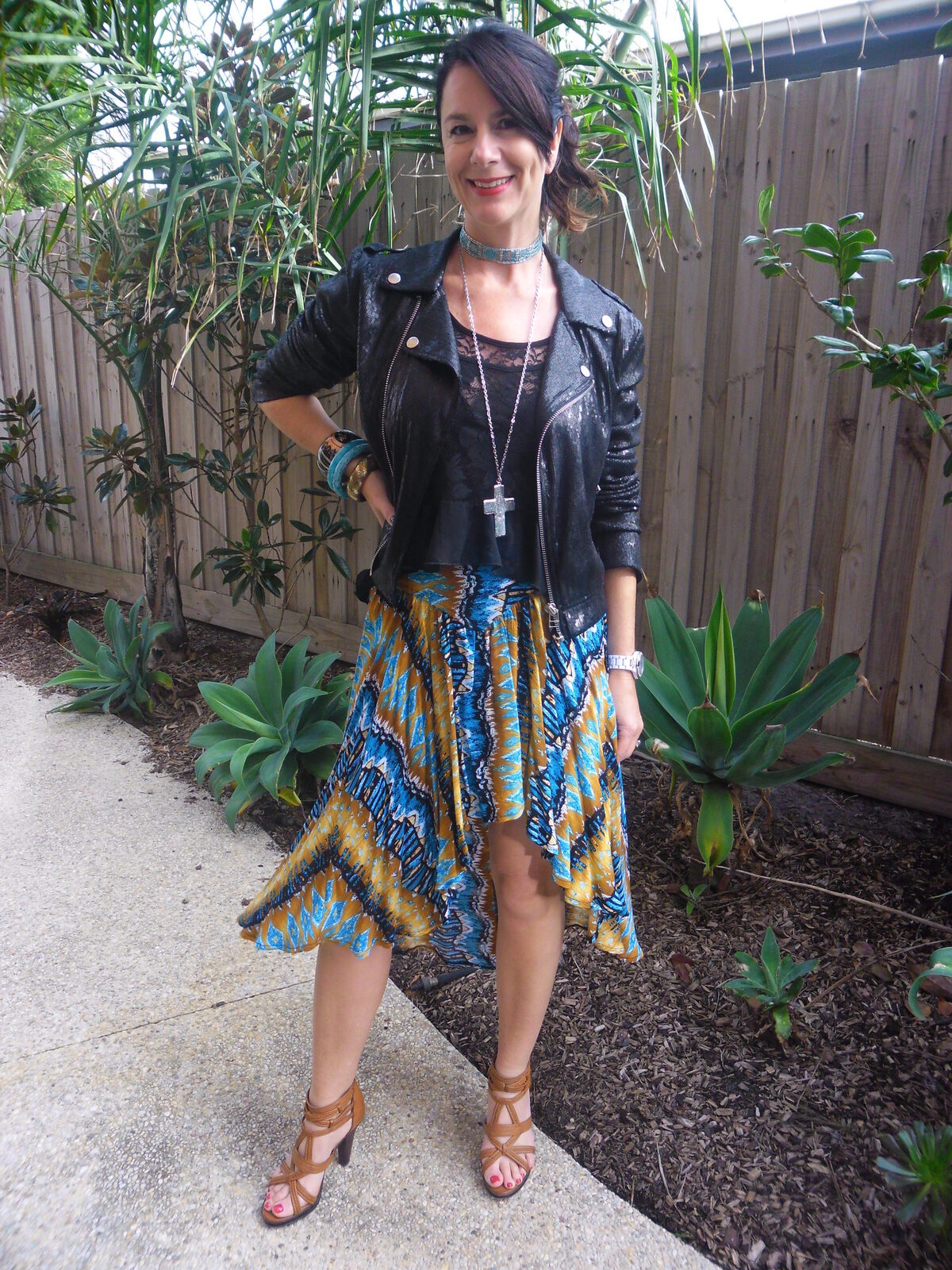
Those shoes came down from about $100 to $15 at the factory outlets. They sat in my wardrobe for years and went with far more than I expected.
Here is how I split it.
Buy at outlets: blazers and coats, good jeans, shoes, bags, knitwear. Structured things where brand and construction genuinely matter, and where a third off a good one beats full price on a mediocre one.
Do not bother: basics, tees, tanks, anything you will wear out in two summers. The chains do those better and cheaper and you did not need to drive to South Wharf for them.
Be careful with: anything strongly trend-led. Outlet stock is by definition a season or two behind, which is fine for a coat and awkward for the shape everybody wore last spring.
What I actually walk in looking for
Outlet centres are enormous and the only way to shop one well is to arrive with a category in mind rather than an open brief.
Shoes first, always. This is where outlets beat everything else in Melbourne. Good shoes are expensive new, they are the thing women skimp on and then regret all day, and the outlets are full of them because shoe stock ages fastest. Every single price I have quoted in this post is a shoe, which is not a coincidence.
Then outerwear. A well-cut coat or blazer is the piece that makes the rest of an outfit look considered, it lasts a decade, and full price on a good one is genuinely daunting. Outlets are where I have bought most of mine.
Then bags. Leather improves with age, the shape barely changes from year to year, and a good bag at a third of the price does more for an outfit than almost anything else you could spend the money on.
Then denim, if you have the patience. Sizing across brands is a lottery and you must try it on, but a proper pair of jeans at outlet money is worth the change room queue.
And nothing else, unless it stops me in my tracks. The wandering, open-ended outlet trip is how people come home with four things they will not wear. Pick the category, work it properly, and let anything else be a genuine surprise rather than the plan.
Last season is invisible
This is the argument I make to clients who feel funny about outlets, and it is worth saying plainly.
Nobody can date your clothes. Not at a wedding, not at a party, not on a lawn at Flemington. The idea that a jacket announces its season is something the industry would very much like you to believe and almost no one outside it can actually do.
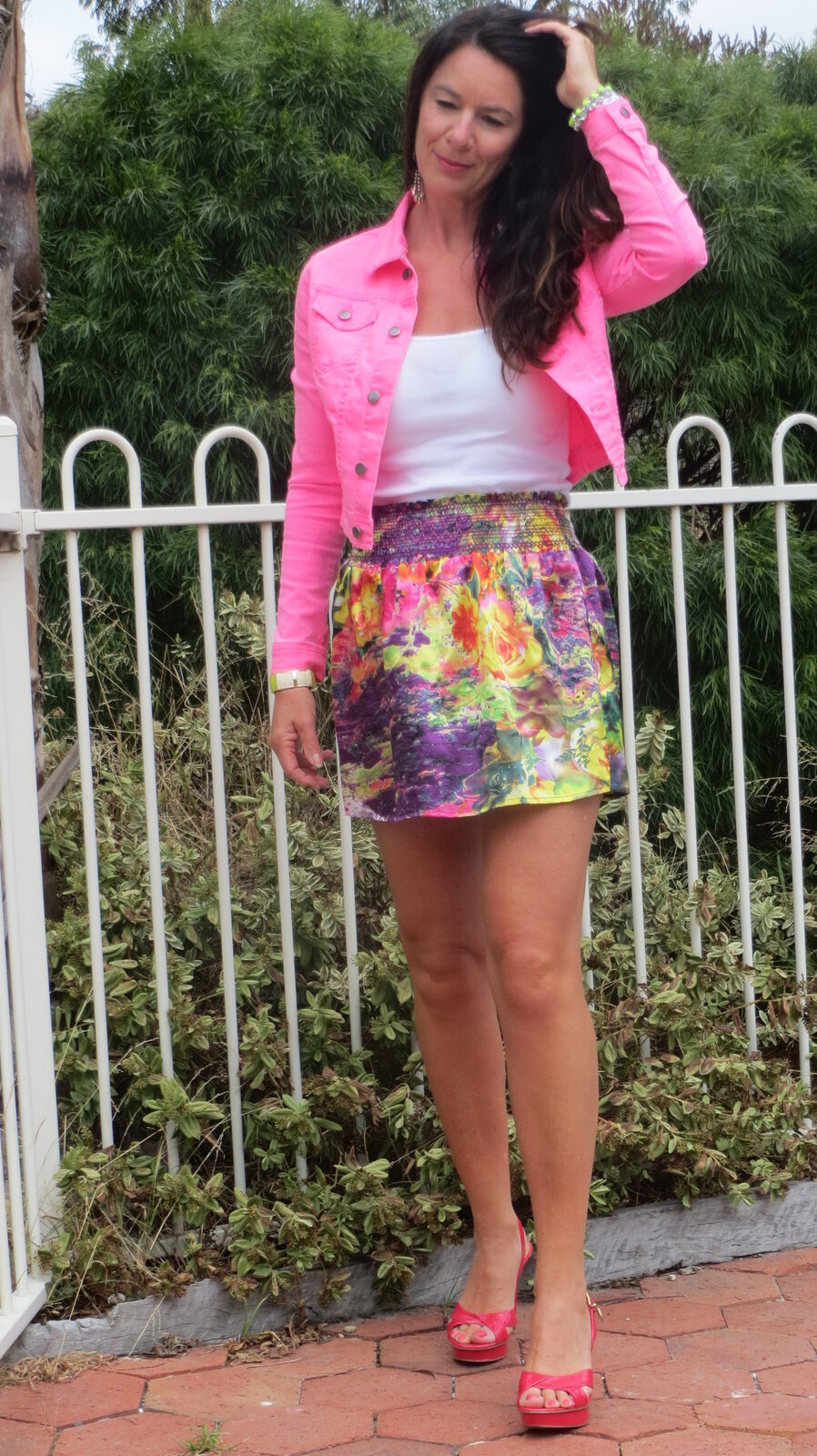
Those heels were Nine West, under $40 at the Direct Factory Outlets. Nobody has ever asked me what year they were made.
You are being paid roughly a third of the price to wear something twelve months after the rest of the world. For anything that is not a hard trend, that is one of the best deals in retail, and it is why I lean on outlets so heavily for event dressing, including race day.
How to have a good outlet day
Go with a list, and go with a budget. Outlet centres are built to convert browsing into buying, and they are extremely good at it. A discount is only a bargain if you would have wanted the item at full price, which is the whole of how to shop smarter and stop wasting money on clothes in one sentence.
Go early on a weekday. Weekend crowds at South Wharf are genuinely unpleasant and you will make worse decisions in them.
Try everything on. Outlet sizing is inconsistent, especially on international brands, and the change room queue is the reason people skip it and the reason they end up with a bag of things that do not fit.
Check the garment, not the tag. Look at the seams, the lining and the buttons the same way you would in a full-price shop. Some outlet stock is there because it did not sell. Some is there because it was not very good.
Do the op shops first if you are making a day of it. They take the most attention and reward it least predictably, so do them while you are sharp. The full case for that is in the best op shops in Melbourne.
The mistakes I watch people make
I have walked these centres with a lot of clients, and it is the same four things every time.
Buying the brand rather than the garment. A recognisable label on a badly cut jacket is still a badly cut jacket, and outlets are precisely where that trade gets offered to you. The name on the tag is not a reason.
Buying the discount. Seventy per cent off something you did not want is not a saving of seventy per cent, it is a spend of thirty. This sounds obvious written down and it is remarkably hard to hold onto with a shopping bag already in your hand.
Buying the near-fit. Outlet stock is what is left, which means the size you want is often not there and something close is. Close does not work. A jacket that pulls across the back at $60 will hang in your wardrobe exactly as long as one that pulls at $300.
Going without eating, and going for too long. Four hours into a centre the size of South Wharf, nobody is making good decisions. I would rather see someone do ninety focused minutes and leave than spend a whole Saturday and come home with a bag of compromises.
The through line in all four is the same. An outlet rewards a person who knows what they came for and is willing to leave without it, and it quietly punishes everybody else.
The short version
- South Wharf for range, Moorabbin, Essendon and Uni Hill for quiet, Brand Smart because nobody goes.
- Harbour Town Docklands no longer exists under that name.
- The discount sign is marketing. Check the brand’s own site on your phone before you buy.
- Go to the back of the shop. That is where the good stock is.
- Blazers, coats, jeans, shoes and bags. Not basics.
- Last season is invisible, so take the third off and wear it.
- A list and a budget, on a weekday morning.
All of that is learnable by driving to Moorabbin on a few Saturdays and paying attention. The faster route is a Half Day of personal shopping in Melbourne at $399, where the outlets are usually the last stop rather than the first. Last, note, not first: turning up at South Wharf without a list is precisely how people come home with seventy per cent off something they did not want. Two hours with a personal stylist in Melbourne at $299 produces the list.
Now go and start at the back of the shop.
And now you’re Looking Good Girls.
“Suppose one of you wants to build a tower. Won’t you first sit down and estimate the cost?” Luke 14:28.