
This is the question I am asked more than any other, usually by someone who has just moved here, or who has lived here for twenty years and shopped in exactly three places the whole time.
“Where do you actually shop?”
The honest answer is that I shop in about five different Melbournes, and which one I use depends entirely on what I am after that day. Nobody tells you that. Every guide hands you a list of shopping centres as though a city with this much retail in it could be summed up by a car park.
So here is the map I actually work from, after fourteen years of doing this for a living.
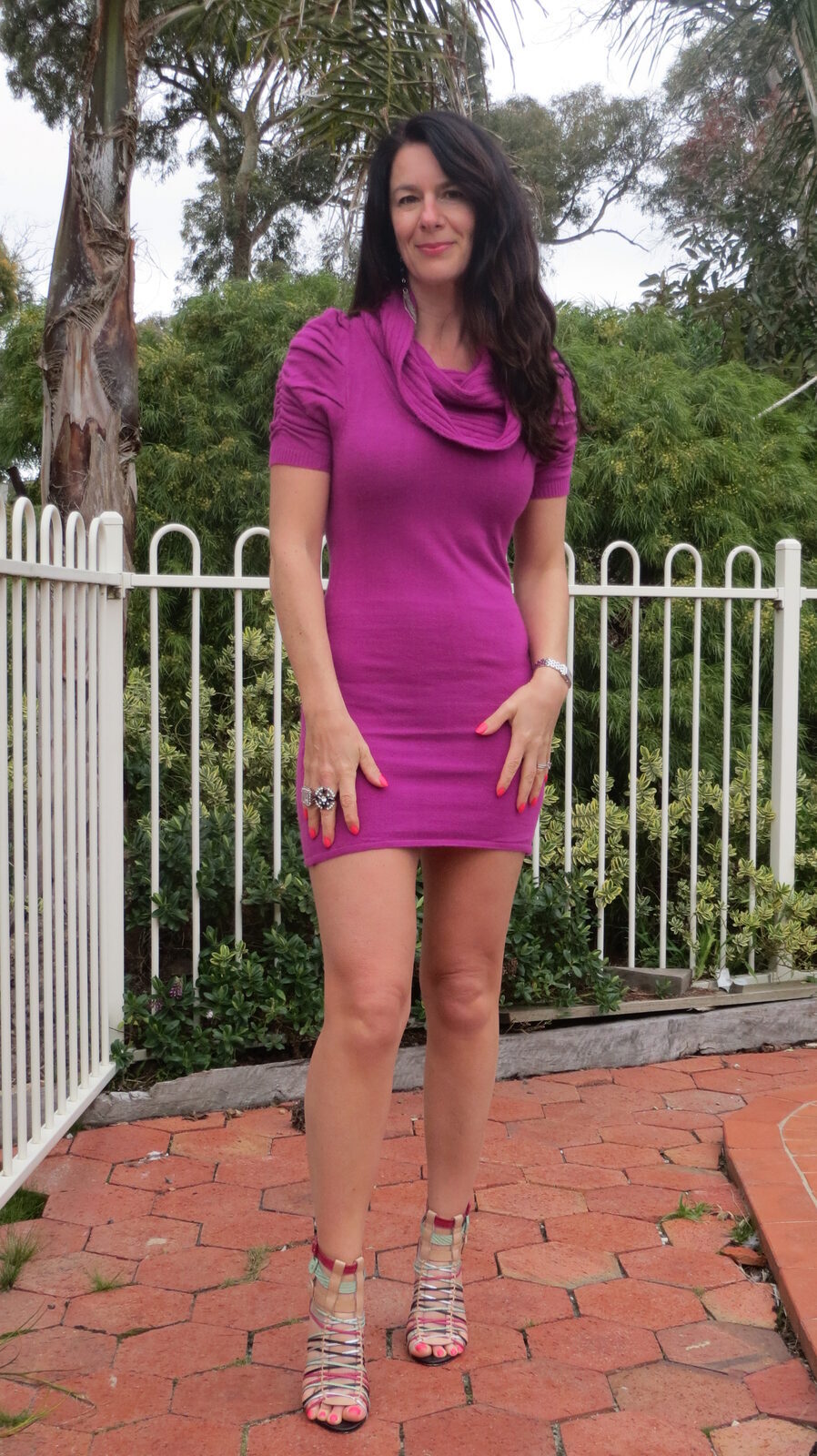
That dress was $15 at the DFO, back in 2012. It is the single most complimented thing I owned that year. I mention it now because it makes the point better than anything else I could write: where you shop matters far more than what you spend.
Layer one: the big centres, for range
This is where most people start and stop, so let us be fair to it.
Chadstone is the largest centre in the country and the only place in Melbourne where you can genuinely see everything from a chain store to a luxury flagship in one afternoon. It is exhausting and it is unmatched for range. Go with a list.
Southland, Northland, Doncaster, Highpoint, Knox and Fountain Gate are the suburban workhorses. They carry the same chains, so the sensible move is simply the nearest one, and the reason to go is availability rather than discovery.
The city is the best of the lot and the most overlooked. Bourke Street Mall for the department stores, Emporium and Melbourne Central for the international chains, and the laneways in between for the things you will not see coming.
What centres are good for. Sizing across many brands quickly. Replacing a specific thing. Anything you need to try on in quantity.
What they are not good for. Being interesting. If everyone you know shops at the same three centres, everybody’s wardrobe converges. That is precisely why the other layers exist.
Layer two: the strips, for the things nobody else has
This is where Melbourne actually beats every other Australian city, and it is the layer most people skip because it takes more walking.
Chapel Street is back, and I say that as someone who watched it empty out. It runs three precincts, South Yarra at the top, then Prahran, then Windsor, and it sat above twenty per cent vacancy through the pandemic. Fitzroys’ Walk The Strip research has it back down near seven per cent, a long-term low.
Be clear-eyed about what came back, though. A lot of the recovery is food and drink rather than fashion, so there is less clothing per block than there was in its nineties heyday. The independents that survived are the good ones, which is rather the point. I styled a Hipster Santa for Pran Central one Christmas and I still think of that strip as home ground.
Brighton is where I have sent more clients than anywhere else. Church Street and Bay Street, boutiques rather than chains, and owners who will actually pull things for you once they know your taste. Some of my best pieces came out of a Bay Street boutique whose owner knew what I would want before I did.
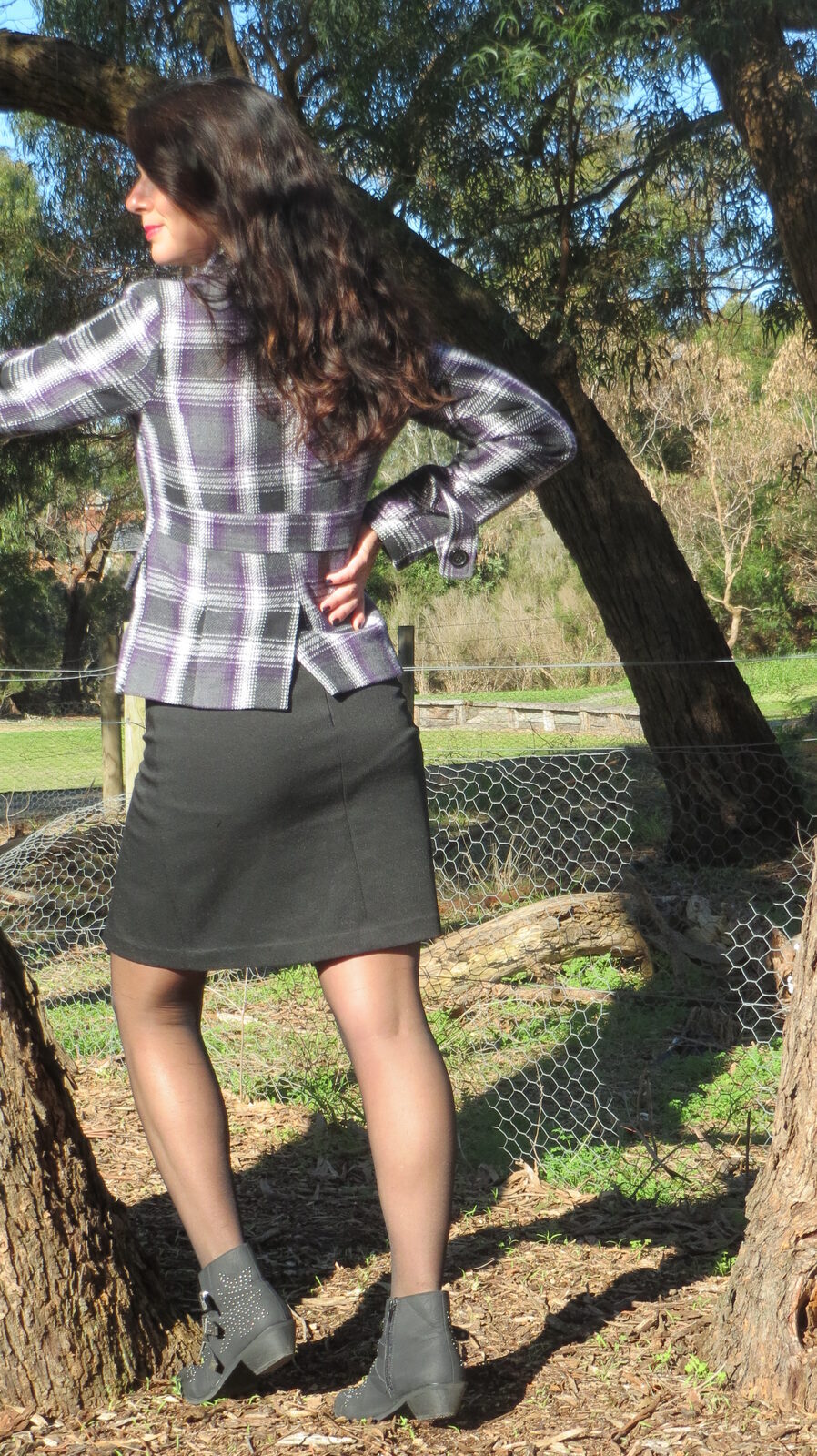
Those studded ankle boots came from a Brighton boutique and I wore them into the ground. That is what a good independent gives you and a chain cannot: someone who remembers you.
Bridge Road in Richmond needs an honest word, because people still recommend it. It was Melbourne’s outlet strip for two decades. The fashion end now runs high vacancy, with a great many empty windows between Church Street and Hoddle Street, while the eating end thrives. If someone sends you there for clothes, they are working from a memory rather than a visit.
Layer three: the outlets, for good brands at a third of the price
This is the layer I use most, and the one clients are most surprised by.
The DFO centres are the backbone. South Wharf is the biggest, sitting beside the Convention Centre, with more than 180 brands and discounts running up to seventy per cent. Essendon, Moorabbin and Uni Hill at Bundoora cover the rest of the map.
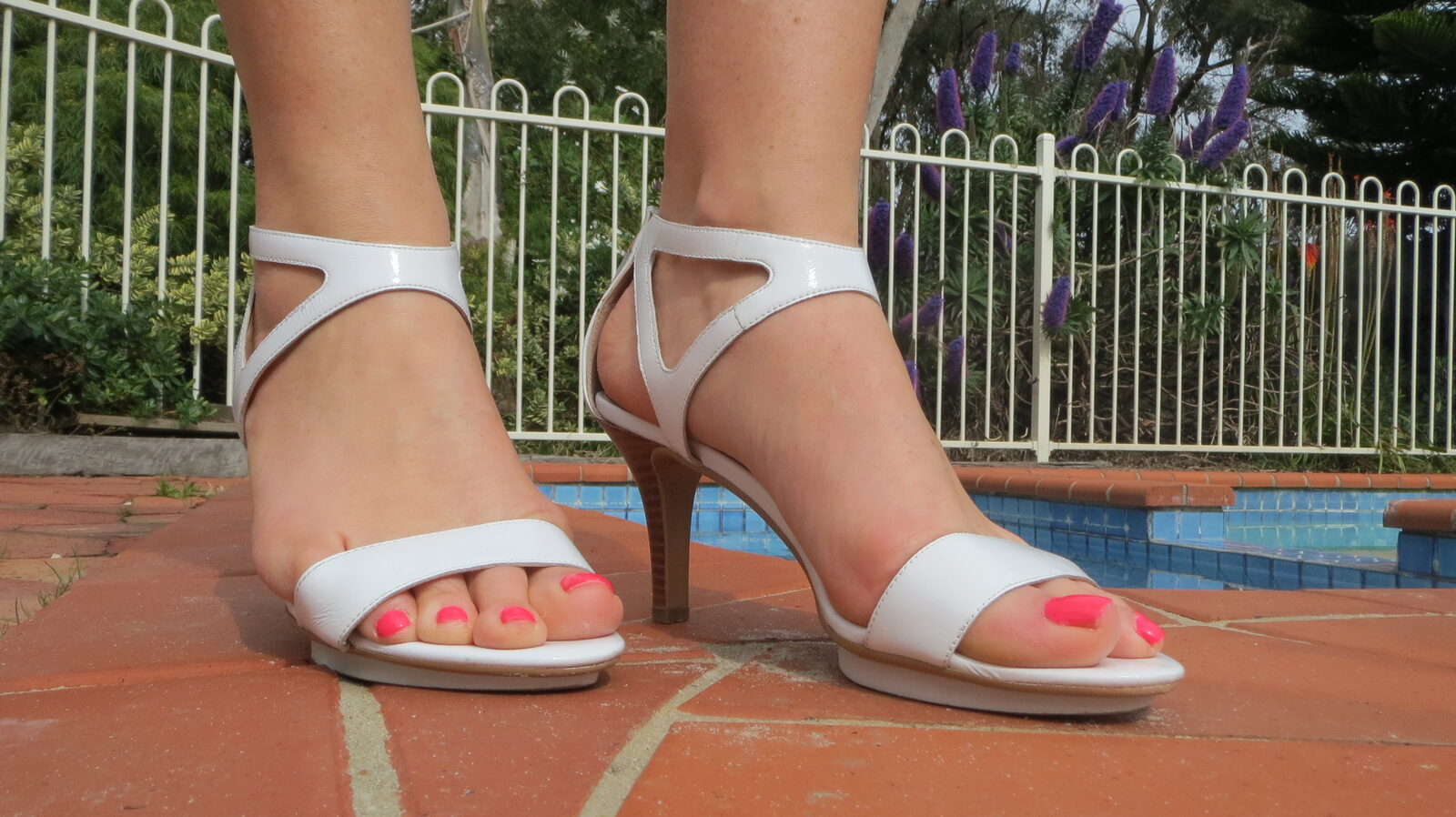
I had been hunting white heels for months. Found those Nine West at the DFO and a sale started the same day, taking them from $60 to $42. That is the outlet at its best: the brand you wanted, at a price you would not have paid attention to otherwise.
The rule that keeps outlets honest. A discount is only a bargain if you would have wanted the thing at full price. Outlet centres are extremely good at selling you seventy per cent off something you did not want at all. Go with a list, and if the list is empty, go home.
The other thing nobody says. Last season is invisible. Nobody at a party, a wedding or a racecourse can date your dress to within a year, which is the entire economic argument for shopping outlets and the reason I lean on them so hard for race day and event dressing.
Layer four: the op shops, where the interesting things are
One hundred and thirty-odd posts on this site mention op-shopping, which tells you where my heart is.
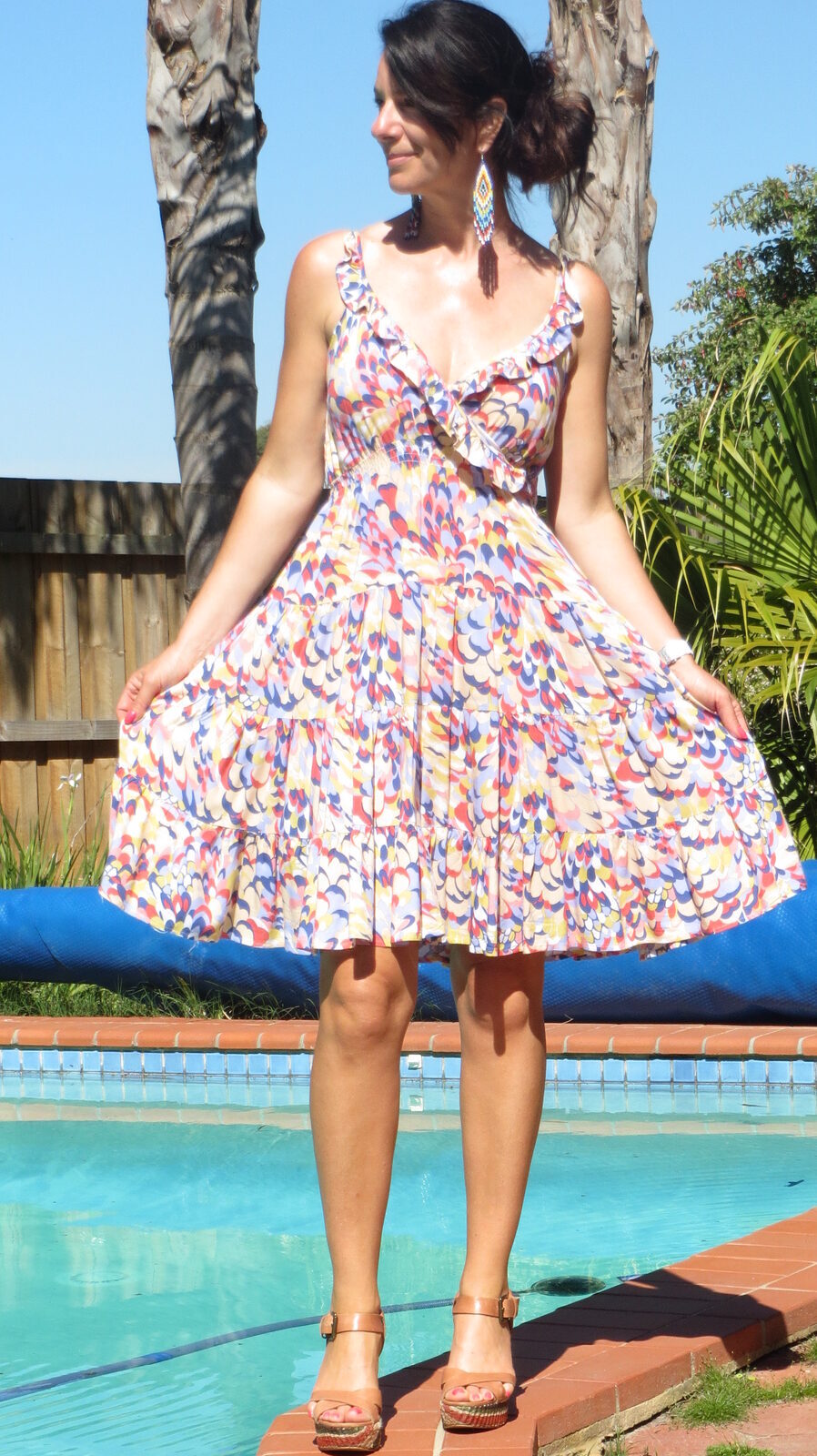
Five dollars. A Lovely Girl dress that sells in boutiques for well over $50, hanging on a rack because nobody looked properly.
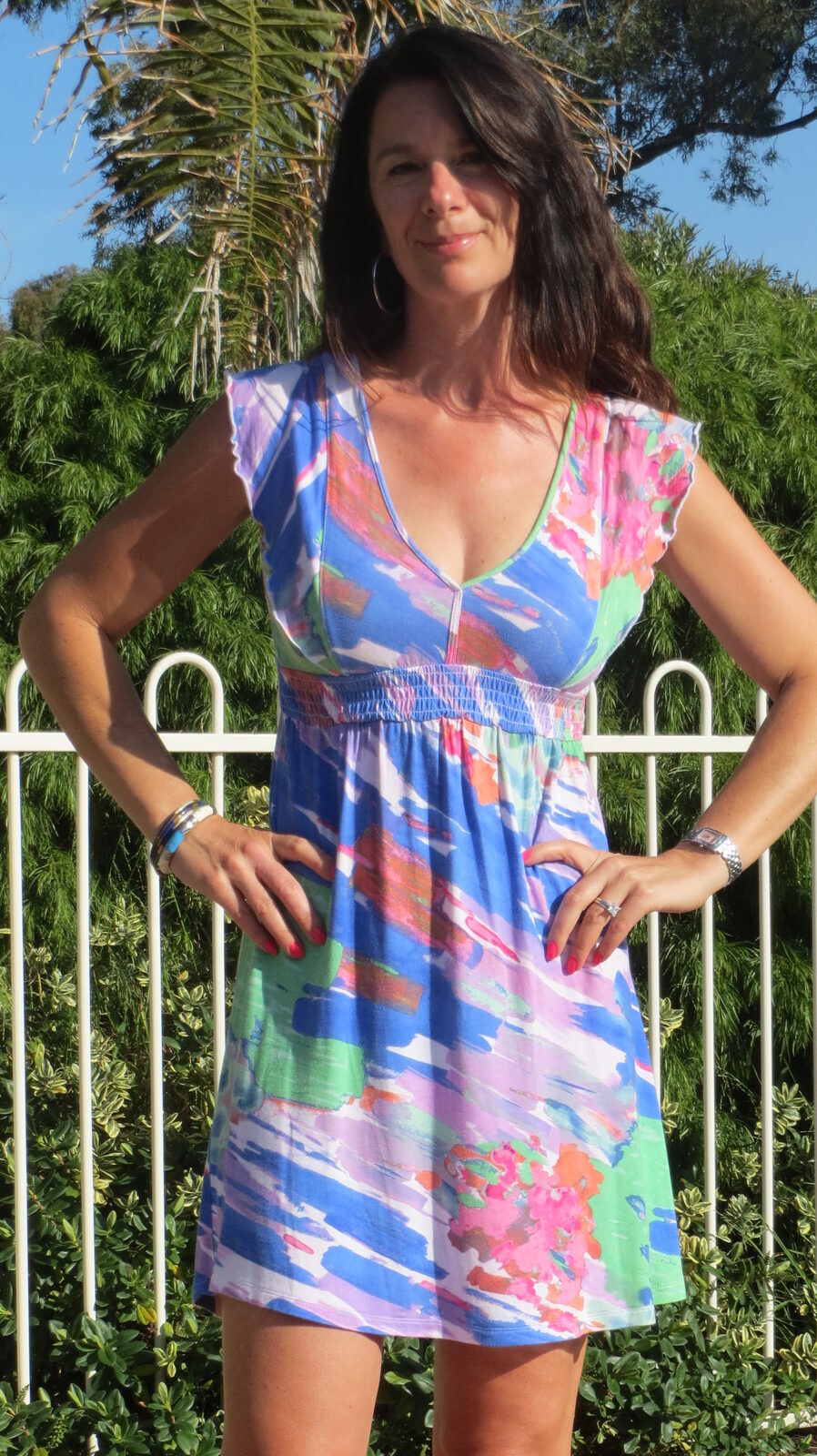
Also five dollars, also an op shop, a Just Jeans dress I wore for years. The green leather thongs I wore with it were another four.
The one strategy that matters. A charity shop can only sell what the streets around it donate, so shop the op shops in the wealthier suburbs and the quality of the racks changes completely. It costs you nothing but a slightly longer drive and it is the closest thing to a cheat code this city has.
Timing. Weekday mornings, when the week’s donations have just been sorted and put out. Saturday afternoon is other people’s leftovers.
Attitude. Go often, stay twenty minutes, and be entirely willing to leave with nothing. Op-shopping is not a shopping trip, it is a habit. The people who find extraordinary things are not luckier, they simply looked more times.
Layer five: markets and resale
The Camberwell Sunday market is the best-known second-hand market in Melbourne and worth an early start rather than a leisurely one, because the good stalls are worked over by nine.
Resale apps have quietly become their own layer as well, and they are the only sensible place left to find pieces from brands that no longer exist.
Which brings me to the part most shopping guides get wrong.
Which layer for which garment
After enough shopping days you stop thinking in destinations and start thinking in categories. This is roughly how I split it.
Coats, wool knits and leather bags: op shops, in the wealthy suburbs. These are the things people give away barely worn, and they are also the things that cost the most new. It is the single best value in the city and it is not close.
Blazers, jeans and shoes: the outlets. Structured pieces where brand and construction genuinely matter, and where a third off the price of a good one beats full price on a mediocre one. My argument for that trade-off is in how to look expensive on a budget.
Basics, tees and tanks: the chains. Buy them plain, buy them often, do not spend much, and do not expect them to last more than a couple of summers. The affordable brands worth knowing are all here.
The one distinctive piece: the independents. Whatever makes the outfit yours rather than everybody’s. This is the only category where I would tell you to pay retail without flinching.
What has actually closed
Australian fashion retail has had a brutal few years, and a guide written even two years ago will send you to shops that are gone.
Jeanswest closed its Australian stores. Ally Fashion was wound up in 2025. The entire Mosaic Brands stable went with it: Noni B, Rockmans, Katies, Millers, Autograph, Crossroads, Rivers and W.Lane, all shut by early 2025.
And it has kept going. In 2026, more chains have gone or are going, including the long-running shoe chain Betts, which went into voluntary administration and is closing more than half its remaining stores, and Glue Store, which announced closures after heavy losses.
I have shoes from Betts in my own archive. That is how fast this moves, and it is the single best reason to buy the thing that fits you when you find it.
How I actually plan a shopping day
Fourteen years of doing this has produced an order, and the order matters more than the destinations.
One. Know the gap before you leave. Not “I need new clothes”. Something like “a jacket that works over the two dresses I already wear, in navy or camel, under $200”. The whole method is in how to shop smarter and stop wasting money on clothes.
Two. Op shop first, while you are fresh. It takes the most attention and rewards it least predictably. Do it when you are sharp, not at four in the afternoon.
Three. Outlets second. By now you know what you did not find, and the outlet is where you fill it properly.
Four. Chains last, and only for the specific gap. A basic tee, a tank, the plain thing that finishes the outfit. Chains are excellent at this and terrible at everything else.
Five. Independents whenever you have the time, not the list. Brighton, Chapel Street, the Fitzroy end of things. Go without a mission and you will find the piece you could not have specified.
Six. Eat lunch. Genuinely. Every bad purchase I have made in my life was made hungry, tired, or in the last twenty minutes before the car park expired.
The short version
- Big centres for range and sizing. Go with a list.
- Strips for the pieces nobody else will have. Chapel Street has recovered; Bridge Road has not.
- DFO outlets for good brands at a third of the price. Last season is invisible.
- Op shops in the wealthy suburbs, weekday mornings, twenty minutes at a time.
- Camberwell market and the resale apps for the rest.
- Check a chain still exists before you drive to it.
- Shop in that order and you will spend less and wear more of it.
Fourteen years of walking this city is the only reason I can write any of it down, and the map is genuinely most of what a client is paying for. You can build your own, one wasted Saturday at a time, and plenty of people should. Or we walk it together on a Half Day of personal shopping in Melbourne, $399, fitting room door open and somebody honest outside it. Either way the cheaper first move is usually a wardrobe session with a personal stylist in Melbourne at $299, because the map is no use until you know what you are hunting.
If you would rather do it alone, that is entirely fine too. Start with the op shop nearest the most expensive postcode you can reach, on a Tuesday morning, and tell me I was wrong.
And now you’re Looking Good Girls.
“In the house of the wise are stores of choice food and oil, but a foolish man devours all he has.” Proverbs 21:20.