
You do not need a wall of handbags. You need about six, the right six. That between them carry you through work, the school run, a wedding, a weekend away and a hot Melbourne summer. Get those right and the shelf of impulse buys that never quite work becomes unnecessary.
I have carried, photographed and written up more bags on this blog than I can count over fourteen years, most of them bargains and a couple of them pre-loved designer finds I still use. So here is the honest guide: the essential handbag styles worth owning, which one deserves your money, and how to find beautiful leather for next to nothing.
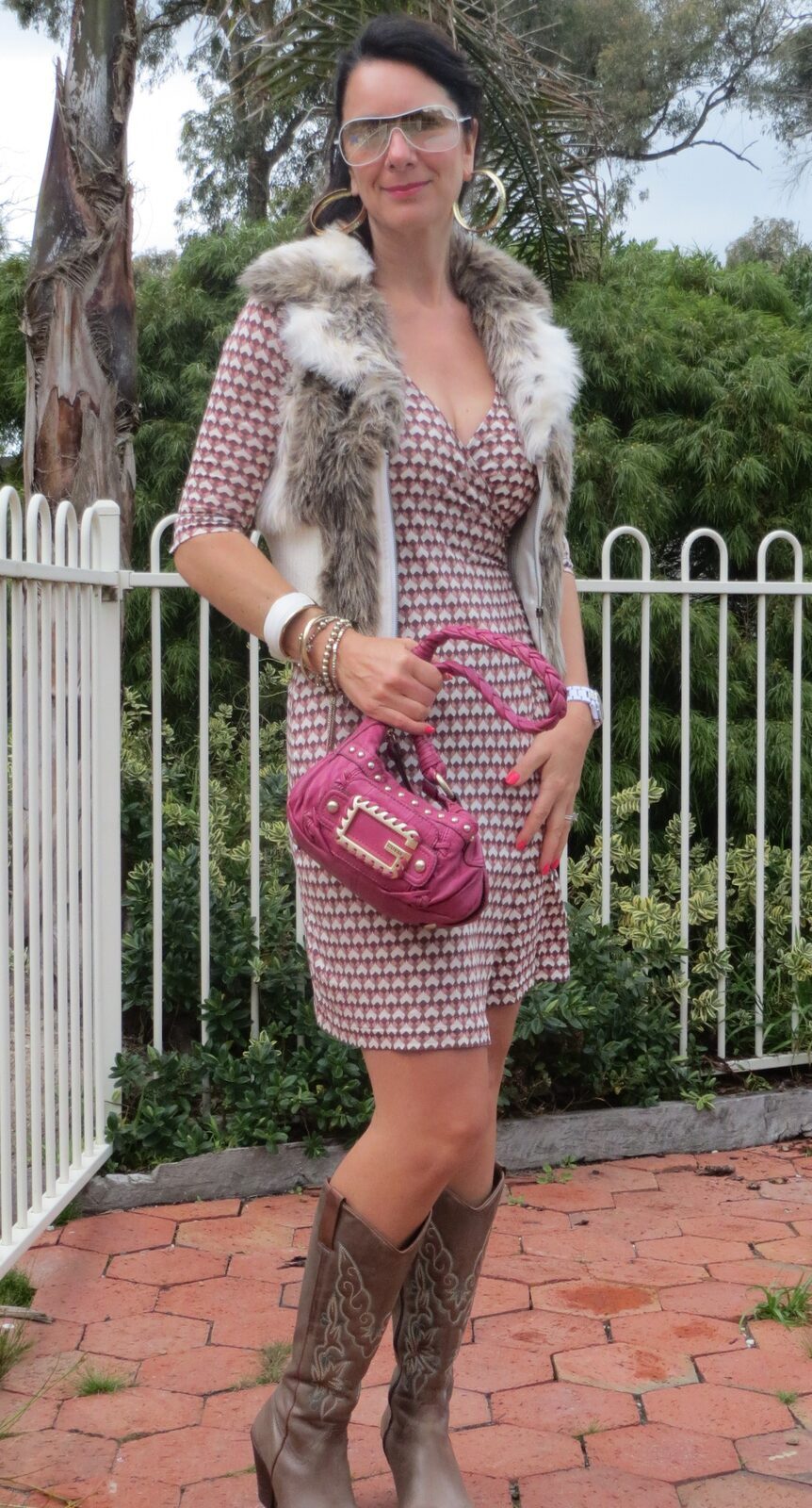
Bags are worth buying well, and buying secondhand
A handbag takes more daily wear than almost anything else you own, which is exactly why the good ones are cheaper in the end. A well-made leather bag carried every day for years costs pennies a wear; a cheap one that cracks and sags by spring costs far more for the same job. So the everyday bag is worth spending on, in the same way your everyday shoes are. A point I made in the guide to the shoes every woman needs, and it holds just as true here.
Here is the happy news, though: handbags may be the single best thing in fashion to buy secondhand. Leather ages beautifully, a good bag barely shows its years, and op shops in the right suburbs are full of them for a few dollars. So even the bag you spend on need not cost what it once did. Buy well, buy pre-loved where you can, and a whole wardrobe of bags comes together for very little.
The everyday workhorses
These are the two you will actually carry most weeks, so this is where your money and your care should go.
A structured tote. The work-and-life bag: big enough for a laptop, a water bottle and the day’s clutter, structured enough to still look tidy when it is full. In tan or black leather it goes with everything, and a good one with a firm base and a bit of organisation inside is the bag you will reach for four days out of five. This is the one to buy properly. If you own a single quality bag in your life, make it this. A well-made tan tote, looked after, will carry you for a decade and cost less per use than any cheap bag you replace every year.
An everyday crossbody. The hands-free bag for weekends, travel and any day you are chasing children or a train. Small to medium, worn across the body, in a neutral that disappears against whatever you are wearing. Once you have lived with a crossbody on a busy day you will wonder how you managed with a bag that needed a spare hand. Look for an adjustable strap and a zip top, so it sits where you want it and nothing falls out when you bend down.
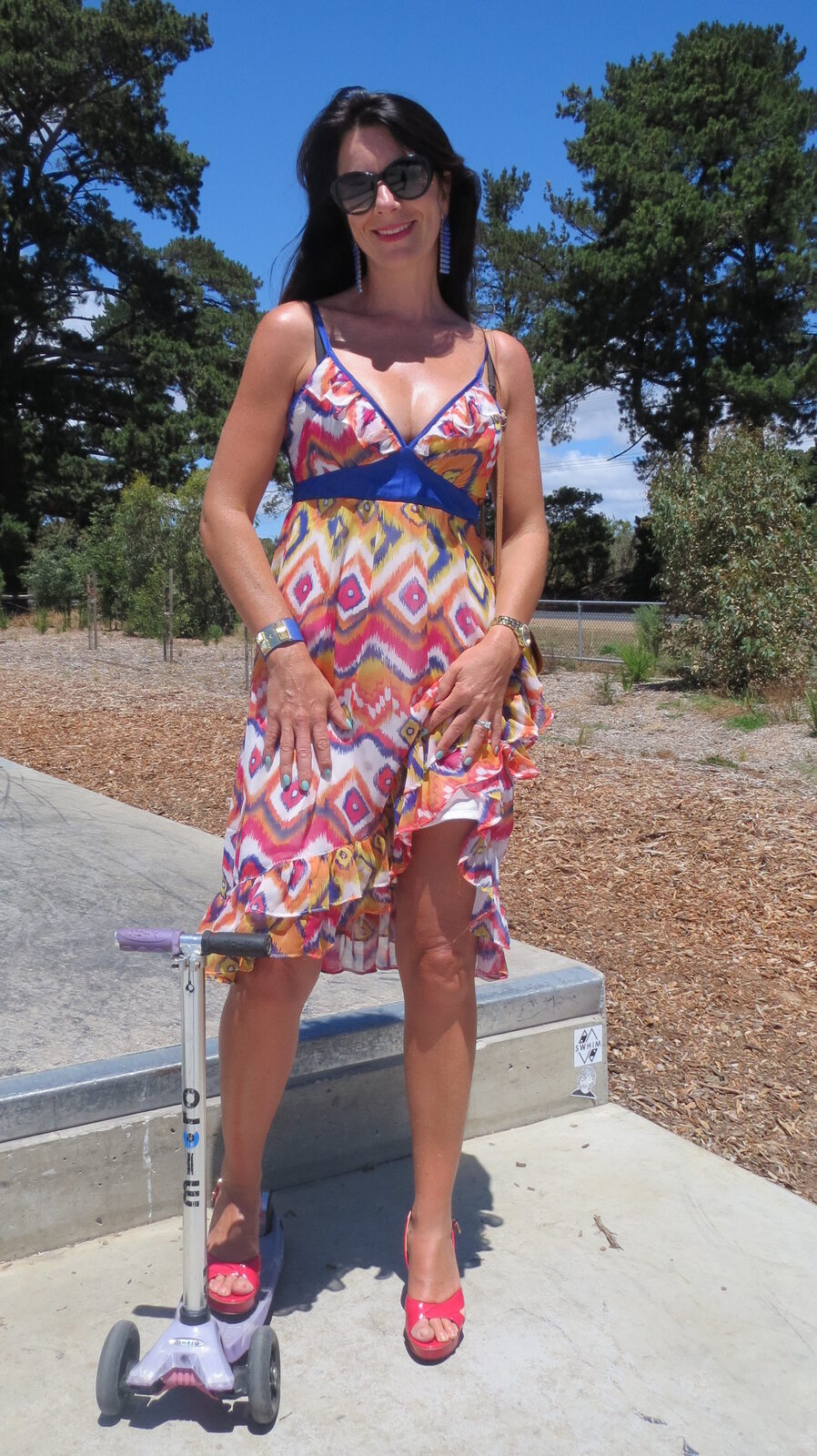
For dressing up
Fewer outings, but the ones that make you feel finished when the occasion comes.
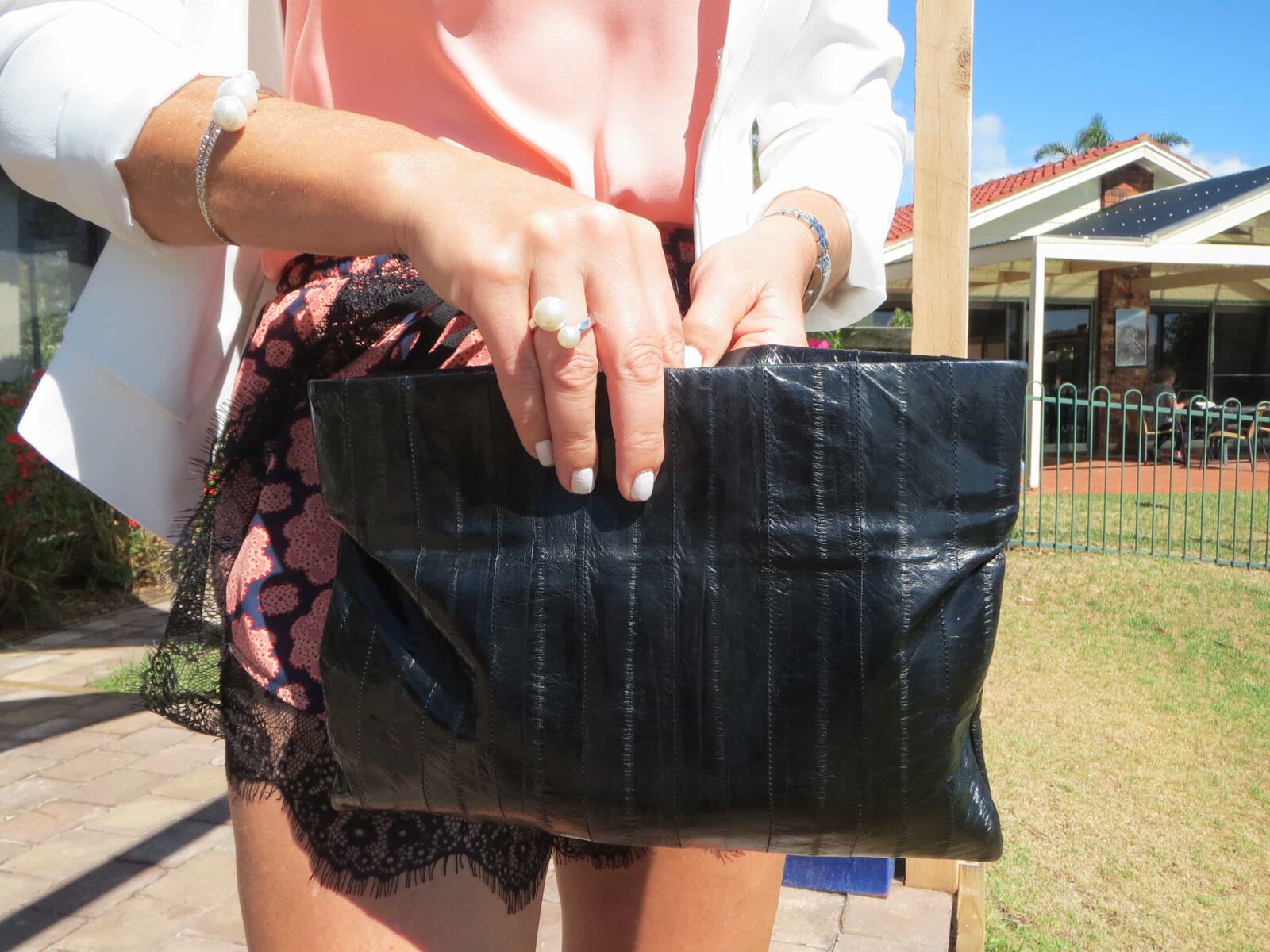
A clutch or small evening bag. For weddings, dinners and nights out, when a tote would look absurd. A metallic or a neutral is the most useful. It reads as a neutral against almost any frock, so one good clutch covers a whole season of events. This is a buy-it-cheaply pair with the occasion shoes; no one has ever asked what my clutch cost. If it comes with a fine chain strap you can tuck inside, all the better, then it works as a small crossbody for a dinner where you want your hands free too.
A good shoulder or top-handle bag. The “pulled together” bag. A notch dressier than the everyday tote, for lunches, meetings and days you want to look considered without carrying the kitchen sink. A clean shape in quality leather here does a lot of quiet work, and it is the second bag worth spending on if the budget stretches.
The seasonal and occasional bags
Two more that earn their place by covering the edges of the year.
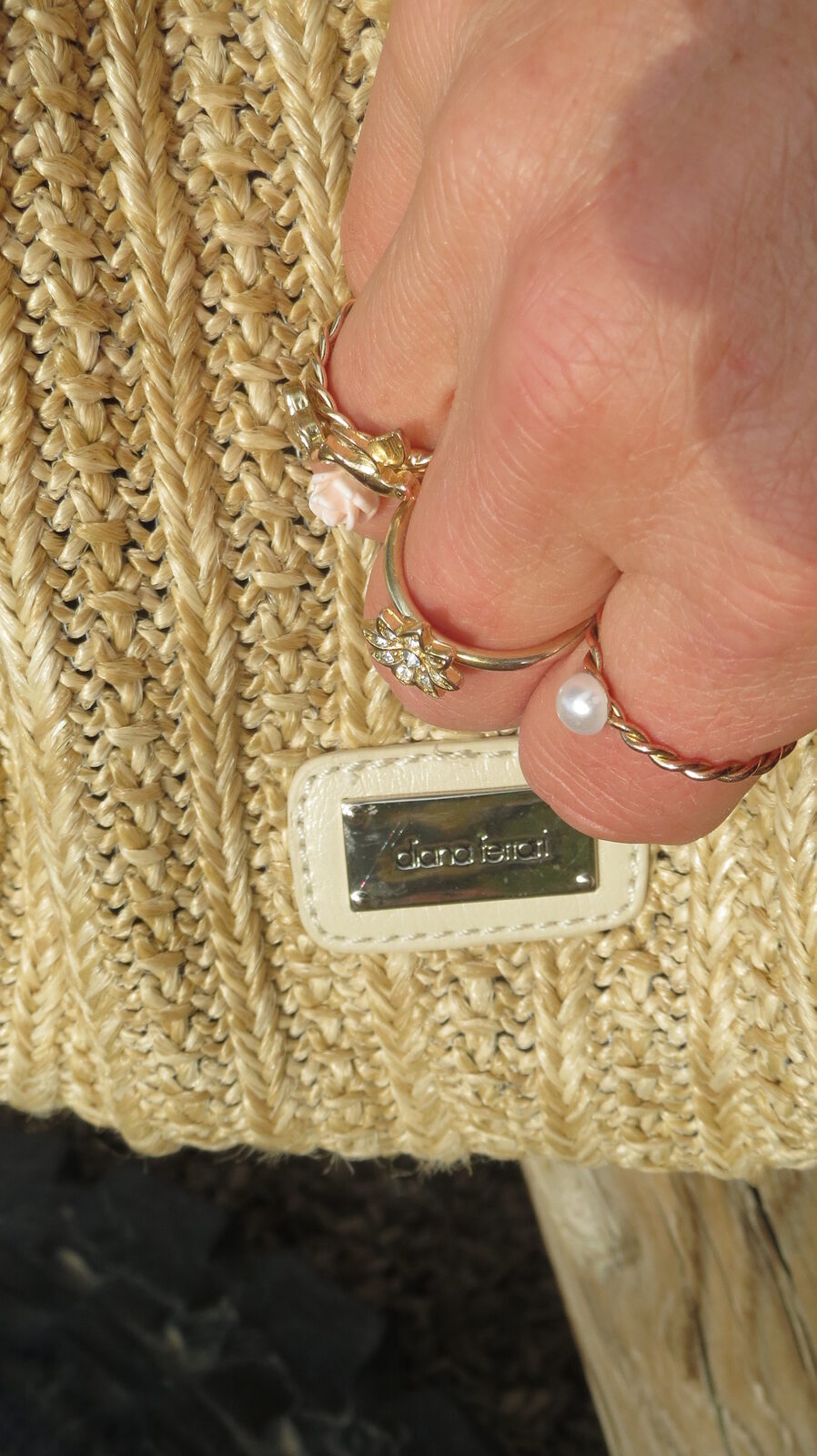
A straw or fabric summer bag. A raffia or woven bag for the warm months (markets, the beach, a summer lunch) where leather feels heavy and hot. Light, cheerful and almost always a bargain; mine have come from all over, and one Italian straw find has done a decade of summers. A roomy straw tote doubles as a beach bag, which is exactly the sort of one-bag-two-jobs thinking that keeps a collection small.
A weekender or roomy carry-all. The overnight-and-travel bag, big enough for a couple of days away or a gym-to-dinner day. It does not need to be expensive, just sturdy, with a zip that works and a strap that survives being over-packed. A pocket for your phone and a base that holds its shape are the difference between a bag you enjoy travelling with and one you fight all weekend, and this is another where an op shop or a sale often turns up something far better than its price.
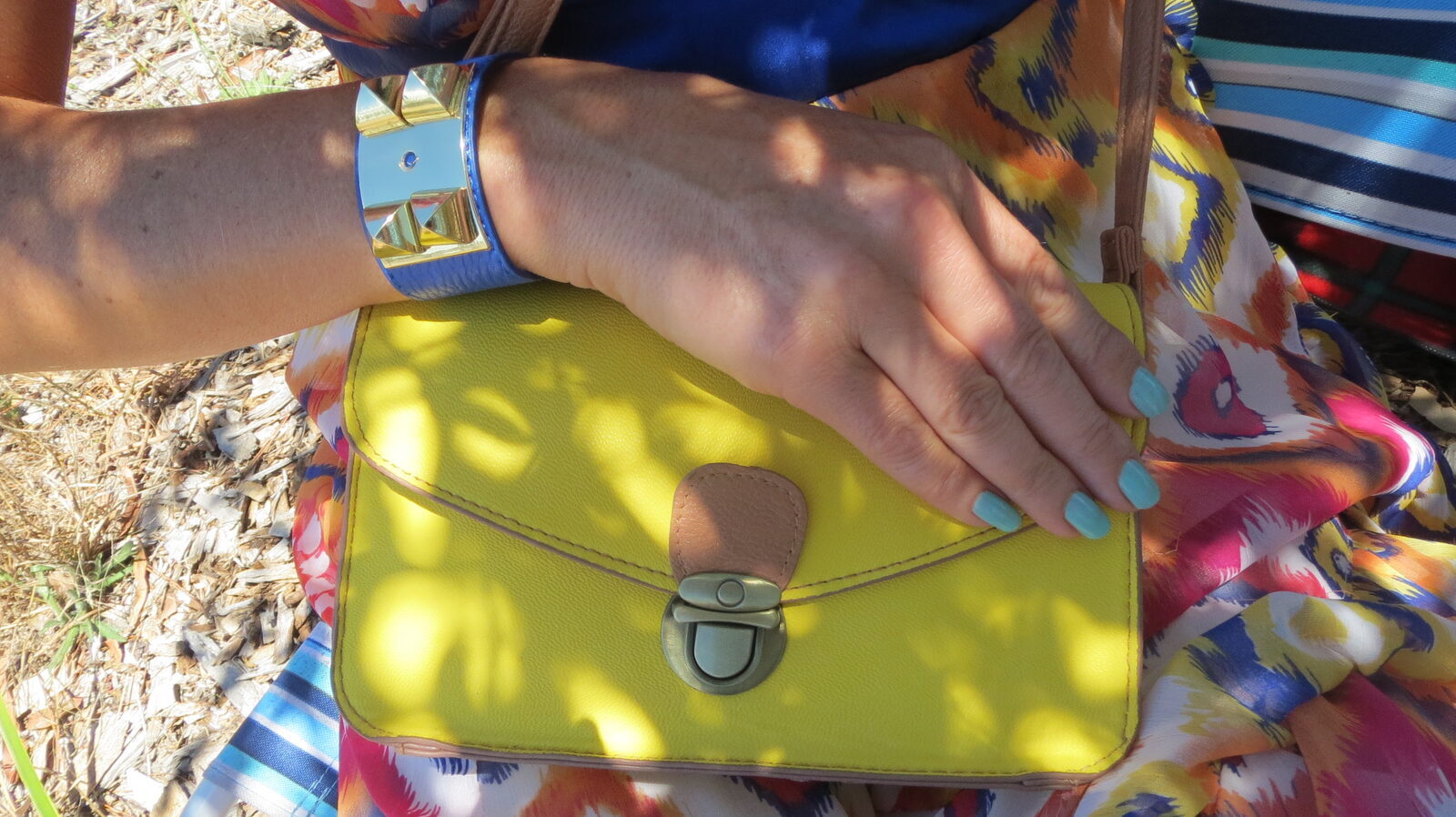
The one that’s just fun
Every bag wardrobe needs one bought purely for joy: a yellow, a red, a print, something that lifts a plain outfit on a grey day. This is the bag to spend the least on and enjoy the most, because it is the flourish, not the foundation. A bright bargain has cheered up more of my outfits than any sensible neutral ever has.
What to spend on, what to save on
Put it together and the rule is the same one that runs through this whole blog. Spend on the everyday tote and the good shoulder bag (the leather ones you carry constantly) because those you live in, and quality pays you back in years and in how you feel carrying them. Save on the clutch, the summer straw, the weekender and the fun colour, because those come out rarely and no one can tell what they cost.
That is where the budget shops and the op shops earn their place: an op shop for a pre-loved leather bag, Target or Kmart for the fun and seasonal ones, and one of the affordable brands worth knowing, Country Road and Witchery in the sales are strong on bags, for the everyday. The considered-spending logic behind all of it is in it’s time to invest wisely.
How to spot a bag worth keeping
Whether it is new, on sale or pre-loved, a few things tell you if a bag will last.
Start with the leather: real leather is supple, smells like leather, and softens with use, where cheap synthetic stays stiff and flakes at the corners within a year. Check the stitching is even and tight, with no loose threads, and tug gently at the strap and handle joins, because that is where a bag fails first. Look at the hardware, zips should run smoothly and clasps close firmly, and good metal keeps its finish rather than wearing to a dull grey. Turn it over: little metal feet on the base save the bottom from scuffing, a sign someone built it to last. And open it up. A proper lining and a pocket or two are the difference between a bag you can live out of and one that swallows your keys forever.
None of this needs a designer price. Plenty of well-made bags turn up cheaply once you know what you are feeling for, which is exactly what turns an op shop rummage into a genuine find.
Buying pre-loved and online, safely
Secondhand is where the real value in bags lives, so it is worth doing well. Op shops in the wealthier suburbs are the first stop. The donations follow the money, and I have found real leather bags there for the price of a coffee. For designer, authenticated resale sites like Vestiaire Collective check pieces before they sell them, which is worth the small premium for peace of mind.
The one caution is unfamiliar websites. A designer bag at a fraction of its price on a site you have never heard of is very often a fake or a store that never ships at all, the ACCC regularly warns about counterfeit and “ghost” online stores dressed up to look local and legitimate. If a deal looks too good to be true on a site you do not know, it usually is. Stick to op shops you can touch, resale sites that authenticate, and sellers with a real history, and the bargains are real and plentiful.
The common handbag mistakes
The traps are the same ones I have fallen into, so I pass them on with feeling.
Buying a tiny, beautiful bag that holds nothing you actually carry, so it looks lovely on the shelf and never leaves the house, be honest about your phone, your keys and your life before you fall for a shape. Buying a fussy pale bag that shows every mark and lives in fear of a coffee, when a mid-tone tan would have hidden a year of real use. Owning six going-out bags and no decent everyday one, so a tired old thing does all the daily carrying. And chasing the “it” bag of the season on a budget, which leaves you with a cheap copy of something that will look dated by next winter, instead of a plain, good bag that never does. Fix those four and a handbag wardrobe shrinks, sharpens and finally starts getting used.
A word on size, too, because it trips everyone up: a bag looks smaller in the mirror than it does on your shoulder, so take everything you truly carry into the shop and put it in before you buy. A bag that will not hold your day is a decoration, however good the leather.
Looking after them
A good bag rewards a little care. Store it stuffed to hold its shape, ideally in a dust bag rather than crushed at the bottom of the wardrobe, and keep it out of direct sun. A wipe and an occasional condition keep the leather supple, and rotating your bags rather than flogging one to death makes the whole collection last. Do that, and a good leather bag easily sees a decade, which is the whole cost-per-wear argument, one more time.
And if you are not sure which bags your particular life actually calls for (a wardrobe heavy on work, or travel, or events changes the shortlist) that is the sort of thing a session sorts out fast. A personal stylist will match the bags to how you really spend your week, and a personal shopper will help you hunt them down well, whatever the budget.
Fourteen years on, the principle has not shifted: it is not about size, age, labels or the number of bags on the shelf. It is about owning the few that suit you and your life, in good enough leather to last, and carrying them with ease.
And now you’re Looking Good Girls.
“For where your treasure is, there your heart will be also,” Matthew 6:21.