
Let me answer the question first, because you searched for a price and you deserve to see one before the third paragraph.
Styling, in your own wardrobe:
- Refresh, 2 hours, $299. Style discovery, a targeted shopping list, six to eight complete outfits from what you already own.
- Reset, 4 hours, $549. A full wardrobe edit, a curated shopping list, twelve to fifteen outfits and a lookbook.
- Capsule, 6 hours, $799. The full edit and shopping plan, a work and weekend capsule built, twenty or more outfits, a lookbook and a plan for keeping it going.
Personal shopping, out in the shops together:
- Half day, 3 hours, $399. A pre-shop plan and route, three hours shopping, outfit notes afterwards.
- Full day, 5 hours, $649. A wardrobe assessment first, five hours shopping, a full lookbook and help with returns.
All in Australian dollars. All in person, across Melbourne. None of them include the cost of the clothes.
Now the useful part, which is everything that price does and does not mean.
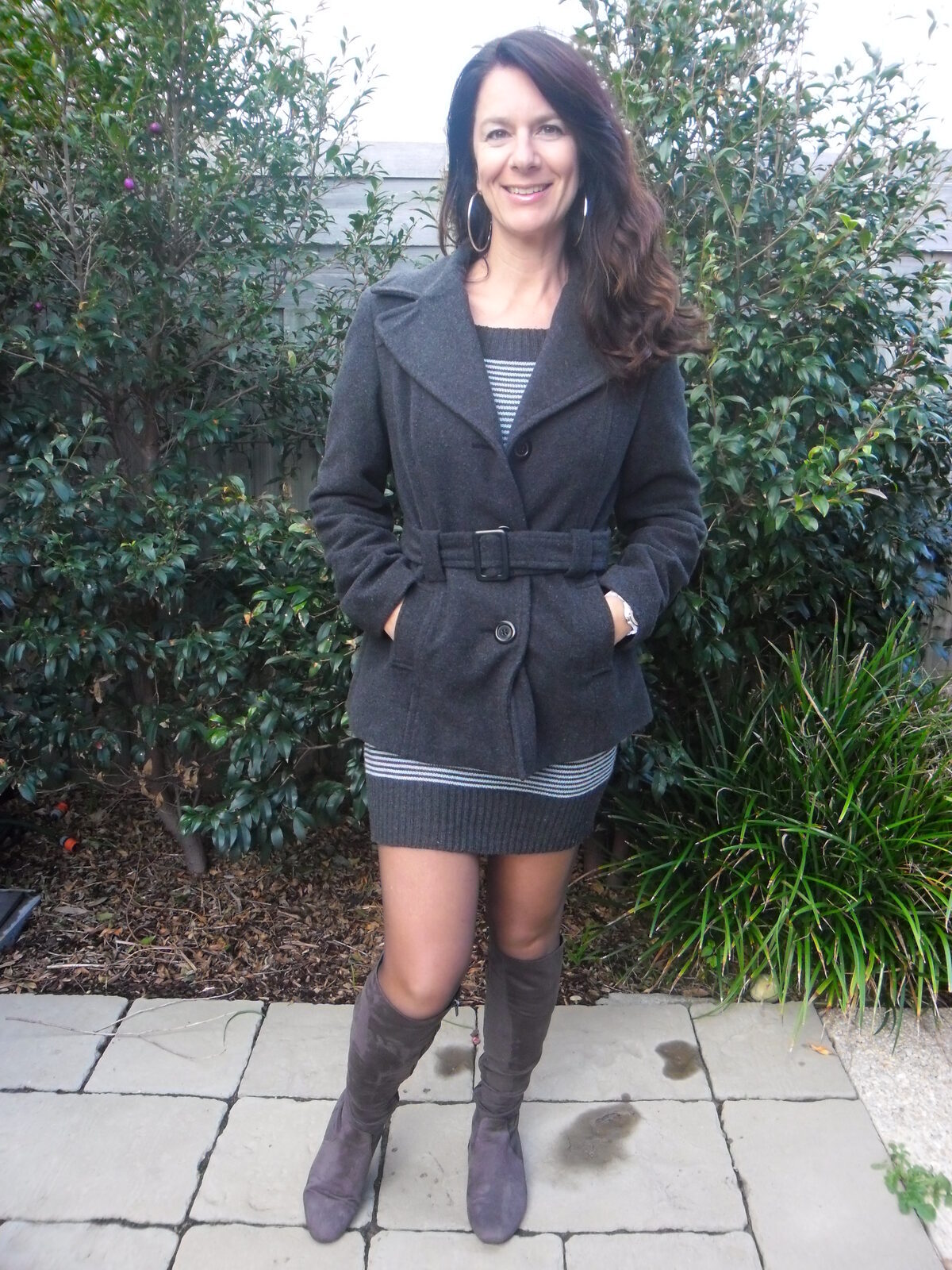
That coat is a beautifully made Target one and it cost $10 in an op shop. I have worn it for years. Hold that thought, because it is the whole argument about value and I will come back to it.
The three ways stylists charge, and why it matters
Before you compare anybody’s prices to anybody else’s, work out which model you are looking at. There are three and they are not equivalent.
An hourly rate. Simple, transparent, and it puts the clock in the room. Fine for a short job, less good for a wardrobe edit where the useful part is often the last hour.
A fixed package price. What I do. You know the number before we start, and if a session runs slightly long that is my problem rather than yours. It also means I am being paid for the outcome rather than for elapsed time.
Commission or affiliate arrangements. The stylist earns a percentage from the shops, or from links you buy through. This is legal, it is common, and I want to be plain about it: it creates a financial interest in you buying more, and in you buying from particular places.
So ask the question directly. “Do you earn anything from what I buy?” Anybody straight with you will answer in one sentence. I do not take commission, which is why I can walk you into an op shop with a clear conscience.
The free option, honestly
The big department stores offer complimentary personal shopping, and it would be dishonest of me to pretend it is worthless. The people doing it are often very good, and free is free.
The limit is the obvious one. They can only show you what their shop sells. That is the entire arrangement.
An independent stylist costs money and can take you to an op shop, an outlet and a boutique in the same afternoon, and can tell you that the thing you are holding is not worth the money. A shop’s own stylist, however lovely, cannot say that about the shop’s own stock.
Use the free service. Just know what it is.
What actually drives the price
Time, obviously. Two hours against six.
Whether we are moving. Shopping days cost more per hour than wardrobe sessions because of the planning behind them. A good shopping day is mostly decided before you arrive, in knowing which shops to walk into and in what order, which is fourteen years of learning this city rather than an afternoon out.
What you get afterwards. A lookbook takes work after the session ends. So do outfit notes and a returns plan.
And experience. Not as a vanity thing. A stylist who has dressed a lot of women can look at your shoulders and your existing wardrobe and get to the answer faster, which is genuinely the thing you are buying.
Why two hours costs what it costs
The fair question behind every price is what the time is actually spent on, so here is the shape of it without pretending it is more mysterious than it is.
A short session is triage. Two hours is enough to understand what you like, see what you own, and build six to eight outfits you will actually wear. It is not enough to fix a whole wardrobe and I would not claim otherwise. What it does is get you dressed properly tomorrow morning, and it tells you what the real problem is.
A longer session is surgery. Four hours buys the part most people need and skip: everything comes out, the things that do not work leave, and what remains gets rebuilt into combinations you had not seen. That takes hours because the useful discoveries happen late, once the wardrobe is emptied and you can see it.
Six hours builds a system. A capsule that covers work and weekend, plus the plan for keeping it going, so the same problem does not reassemble itself in eighteen months.
And a shopping day is mostly preparation. The three hours we spend together sit on top of the planning, the route and the knowledge of which shops currently have what. That is the part you cannot buy by the hour anywhere.
Now the number that reframes all of this
Here is what I would want to know if I were the one deciding.
Australia is the world’s biggest consumer of textiles per head. The Australia Institute’s research on textile waste found that we buy an average of 56 new clothing items a year, ahead of the United States at 53, the United Kingdom at 33 and China at 30.
And then the two findings that should stop anybody in their tracks:
- We wear only about a third to 40 per cent of what we own.
- 62 per cent of women have items that have never been worn, or still have the tags on.
Sit with that for a second. Most of us are already spending the money. We are just spending it on things that hang there.

So the real comparison is not the session against nothing. It is the session against another year of 56 items, of which you will wear perhaps twenty.
If a handful of those purchases would not have happened, the session has paid for itself. That is not a sales line, it is arithmetic, and you can do it on your own bank statement in about ten minutes.
How to work out whether it is worth it for you
Genuinely, do this before you book anybody, me included.
Add up last year. Scroll your statements for clothing. Most people are shocked, and not by the big purchases. It is the $80 here and $120 there that does it.
Count the things with tags still on. Then add up what they cost.
Count the things you have worn once. Same.
Now compare that total to a session. If the wasted number is two or three times the price of a Refresh, the maths is not close.
And if it is not, do not book. If you spend carefully, wear nearly everything you own and get dressed happily, you do not need me. I would much rather tell you that than take your money.
What it costs you nothing to try first
I mean this. This blog has fourteen years of the method in it for free.
Start with how to build outfits from clothes you already own, which is the first hour of any session, done yourself. Then how to shop smarter and stop wasting money on clothes, which is the part that stops the bleeding.
If those fix it, wonderful. If you read them, agree with every word and still open the wardrobe and feel nothing, that gap is exactly what a session is for, and it is a gap that advice on a page genuinely cannot close.
What the price does not include
Being specific, because vagueness here is where people get stung.
The clothes. Always separate, always your choice, and plenty of clients spend very little because we start with what is already hanging up.
Alterations. A tailor is the best value in fashion and is a separate cost. Usually a small one.
And nothing else. There is no styling fee on top, no percentage, no minimum spend.
What to ask before you book anybody
Use these on me as readily as on anyone else. A stylist worth the money will answer all five without hesitating.
“Do you earn commission on anything I buy?” The single most important question, and the one almost nobody asks.
“What do I get afterwards?” A session you cannot remember in a fortnight has not done much. Outfit notes, photographs, a lookbook, a shopping list: whatever it is, ask.
“Do you work with what I already own, or does this start with shopping?” Both are legitimate services, but they are different services, and you should know which one you are buying.
“Have you dressed people who look like me?” Not a rude question. Ask it about your shape, your age, your budget and your life. A stylist who only dresses twenty-five year olds with unlimited money may not be your person.
“What happens if I hate it?” Everybody should have an answer to this, and it should not be a shrug.
And one for yourself rather than the stylist. “Am I hoping to be told what to wear, or shown how my own taste works?” The first never sticks. If the answer is honestly the first, save your money until it changes, because you will not wear a single thing that somebody else picked without you understanding why.
Who gets the most out of it

Someone at a turning point. A new job, a body that has changed, a decade that has turned over, coming out of something difficult. These are the sessions where the work actually lands.
Someone who owns plenty and wears a fraction of it. The most common client I see, and the one where a wardrobe edit does the most per dollar.
Someone with one big occasion and no interest in learning the whole system. A Half Day of shopping solves that cleanly.
Someone who is sick of wasting money. Which is most of us, if the numbers above are anything to go by.
The short version
- Styling is $299, $549 or $799 depending on hours and depth. Shopping is $399 or $649.
- None of it includes the clothes.
- Ask any stylist whether they earn commission on what you buy. I do not.
- Department store styling is free and limited to that store’s stock. Use it knowingly.
- Australians buy 56 items a year and wear about a third of what they own.
- Add up your own wasted spend before you decide. The maths usually makes the decision for you.
- If you already dress happily, do not book. Read the blog instead.
If it is the right time, a session with a personal stylist in Melbourne starts at $299 for two hours in your own wardrobe, and a Half Day of personal shopping in Melbourne is $399 if the gaps are already clear. Everything is in person, anywhere across the city.
And if it is not the right time, that is a perfectly good answer too. The blog is not going anywhere.
And now you’re Looking Good Girls.
“You earn wages, only to put them in a purse with holes in it.” Haggai 1:6.