Looking expensive has almost nothing to do with what you spent. It is fit, fabric, a tight colour palette and good condition (four things that are free or nearly free) and once you know them you can walk out of an op shop with forty dollars of clothes that read as far dearer than a full-price outfit that gets them wrong.
I have been proving this on this blog since 2012, mostly by accident, because I could never afford the alternative. The clothes people stop me about are almost never the expensive ones. They are the wool coat that cost twelve dollars in a Bayside op shop, or the jacket I had taken in for thirty. So here is what actually creates the impression, in the order it matters.
First, why cheap clothes usually look cheap
It is worth understanding what you are up against, because the problem is not really price. It is volume. The Australia Institute found that Australians buy an average of 56 new items of clothing a year, more than any other country, at an average of just $13 an item. That is the machine we are all shopping inside: a great many things, bought very cheaply, worn a handful of times and replaced.
And that is what produces the look we are trying to avoid. Not the low price of any single thing, but buying constantly and quickly, grabbing what is on the rack in whatever size is left, never altering it, never checking the fabric, and wearing it until it bobbles. Fifty-six rushed items will always look cheaper than eight considered ones, even if the eight cost less in total.
Which is rather good news, because it means the fix is not more money. It is slowing down and applying the rules below.
Rule one: fit beats absolutely everything
If you do one thing, do this. Fit is the single loudest signal of quality there is, and it is the one thing that money genuinely cannot buy off the rack, expensive clothes come in the same standard sizes as cheap ones, and they hang just as badly on the wrong body.
Look for the shoulder seam sitting on the corner of your shoulder, sleeves ending at the wrist bone, a waist that follows yours rather than hanging straight past it, and hems at a deliberate length rather than wherever they happened to land. When those are right, the garment looks made for you, and “made for you” is the whole impression of expensive in one word.
Which brings me to the best forty dollars in fashion: a tailor. A hem, a nip at the waist, a sleeve shortened, twenty to fifty dollars, and it transforms things you already own. It is the cheapest spend with the highest return in all of this, and almost nobody does enough of it. It also changes how you shop, because the too-long trousers and the gaping blazer stop being reasons to walk away and become the bargains nobody else spotted. I go into this properly in the best fashion investments under $200, but the short version is that fit is not a detail of dressing well. It is most of it.
Rule two: learn to feel the fabric
Price is a hopeless guide to quality now, so use your hands instead. Natural fibres and good blends (wool, merino, cotton, linen, silk, real leather) drape, breathe, hold their shape and take the light softly. Cheap polyester is shiny, clings where you would rather it did not, and goes bobbly in a season.
Turn the garment inside out before you look at the price. Check the composition label. Feel the weight, good cloth has some heft and falls rather than floats. Hold a light top up to the light and see whether you can read your hand through it. Look at the seams: neat, straight, generous enough to let out, patterns matched across them. Check there is a lining in a jacket or a dress, and that the buttons and zips actually work rather than merely existing.
None of this needs a designer price tag. It is exactly the skill that turns an op-shop rummage into a genuine find, and it is worth building above any shopping list I could give you.
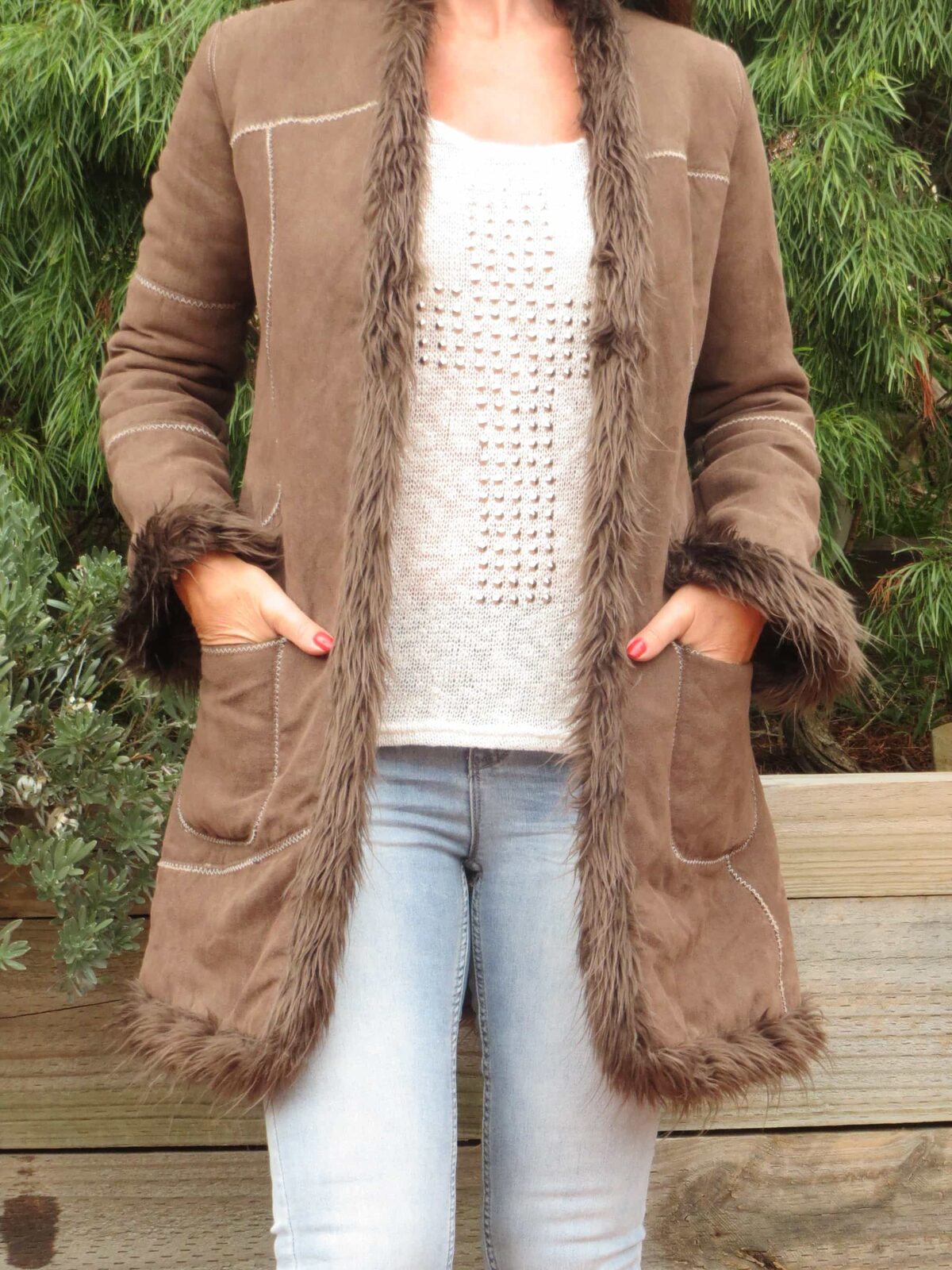
That coat was an eBay bargain. Suede, properly lined, heavy in the hand, and it has outlasted a decade of things that cost more.
Rule three: keep the colours tight
This one is free and it works immediately. Two or three colours in an outfit reads as considered; five or six reads as an accident, whatever the pieces cost.
The fastest trick of the lot is tonal dressing, one colour in two or three shades, camel with cream, navy with a paler blue, charcoal with grey. It looks deliberate and quietly costly and it takes no skill at all beyond restraint. After that, the deep neutrals are the easiest place to start: navy, charcoal, camel, cream, black, olive. They go with everything you own, which means they multiply your outfits as well as your credibility.
Colour itself is not the enemy (anyone who has read this blog for five minutes knows I love a bright) but it works best as one deliberate note against a quiet background, not six competing ones. Print does the same job: one print at a time, everything else plain.
Rule four: condition is the tell
Nothing gives a wardrobe away faster than wear, and this is where most people lose the impression they paid good money for.
The list is short and unglamorous. Pilling and bobbling on knits: get a fabric shaver, they cost about ten dollars and take five minutes. Scuffed, unpolished shoes, which are the first thing people notice and the easiest to fix. Dropped or fraying hems. Missing buttons. Deodorant marks and bobbled underarms. A creased shirt when a three-minute press would have done it.
Iron things. Polish your shoes. Repair the small stuff the day you notice it rather than the day you need the garment. Get the good pieces dry-cleaned before you put them away for the season. A well-kept ten-dollar find beats a neglected two-hundred-dollar one every single time, and it costs almost nothing but attention.
Rule five: lose the loud branding
Visible logos work against you here, which surprises people. A big brand name across the chest tells everyone exactly what the piece cost and invites the comparison; quiet, unbranded clothes in good cloth are simply read as good.
Hardware follows the same rule. Heavy shiny gold-tone fittings on a bag or a shoe, obvious plastic buckles, brash contrast stitching. All of it reads cheap. Simple, matte, well-made hardware reads expensive. If you love a designer piece, buy it pre-loved and let the cut and the leather speak instead of the label.
Rule six: let a few good accessories do the talking
Accessories are the highest-leverage part of the whole business, because there are only three that people really register (your coat, your bag and your shoes) and getting those right carries everything underneath.
Real leather that has been looked after is the shortcut. A structured bag in leather that ages rather than cracks, a decent pair of shoes kept polished, and a good coat over the top will make a Kmart tee and jeans look considered. And leather is the very best thing to buy secondhand, because the old ones were made properly and they only improve. I make the full case in the handbag guide and the shoes guide.
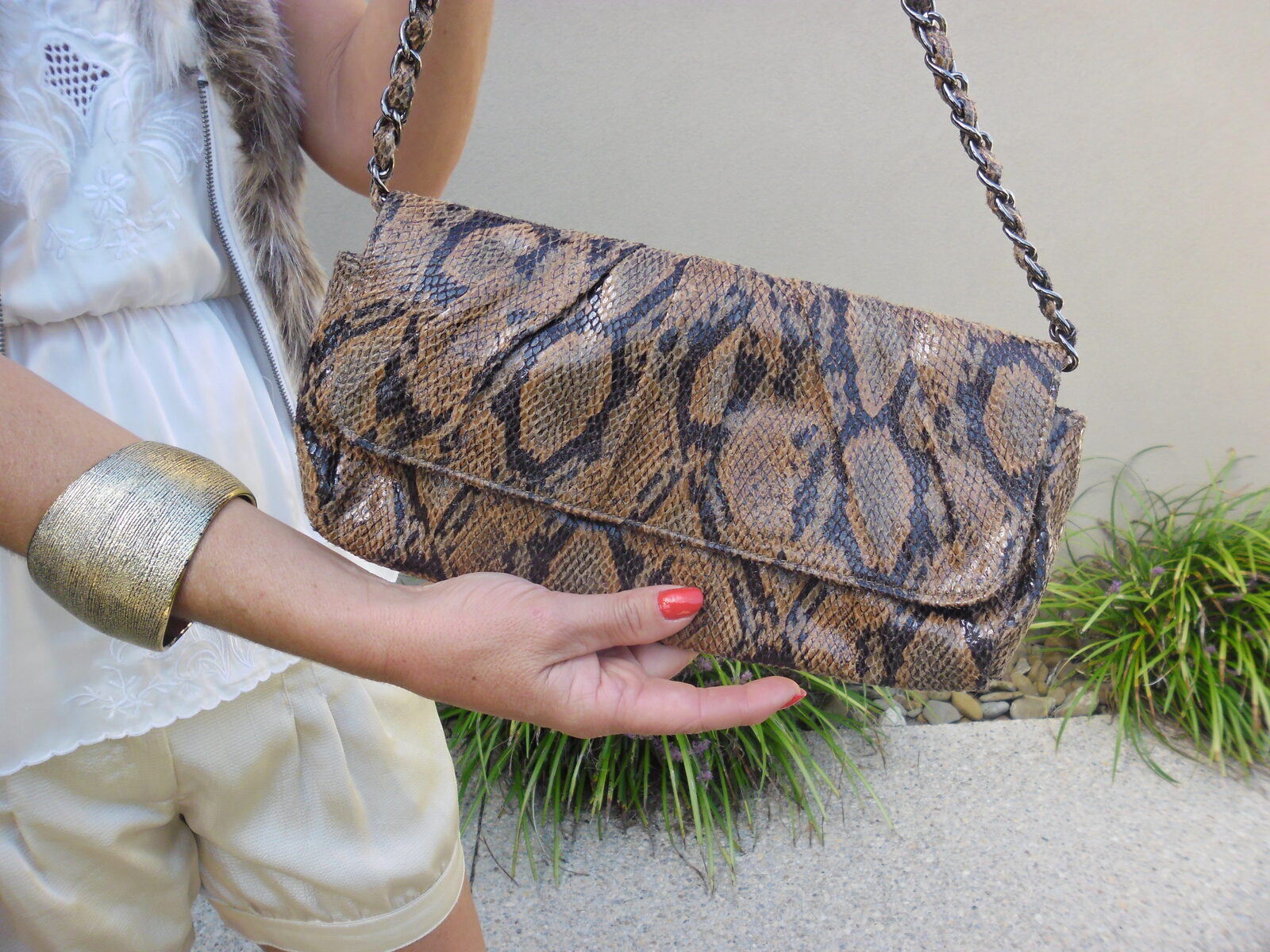
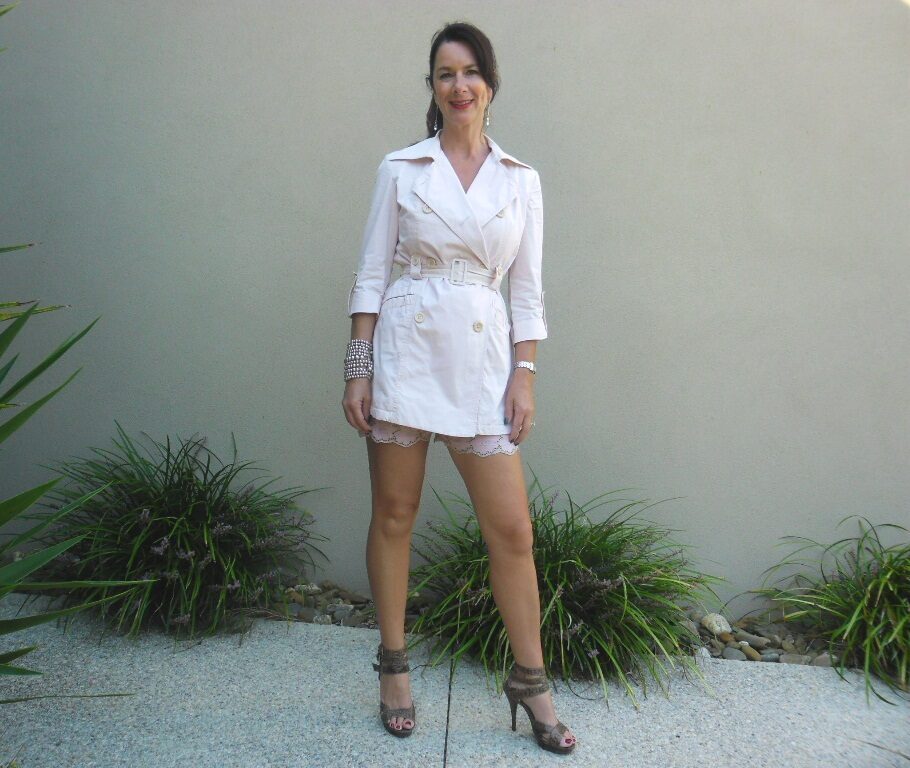
Jewellery, keep simple and keep it few. One good cuff, or one strong pair of earrings, worn against a quiet outfit. A pile of small shiny things does the opposite of what you want.
Rule seven: grooming is at least half of it
I will be blunt, girls, because it is the part nobody wants to hear. Well-kept hair, tidy nails, a bit of care taken. These do more for the impression of expensive than any garment on this list, and they are almost entirely free.
You do not need a salon. Clean, brushed hair with the ends trimmed. Nails short and tidy rather than half-grown-out polish. A little colour on your lips if that is your thing. Mine is red and always has been. The whole point is that it looks like you took some care, and taking care is what “expensive” actually means when we say it.
Rule eight: dress for the actual occasion
The last one is about judgement rather than things. An outfit that suits where you are going always looks more expensive than one that does not, however good the pieces are, over-dressing and under-dressing both read as a misjudgement, and a misjudgement never looks costly.
This is where the everyday wardrobe earns its keep: clothes that suit your real life, your climate and your day. It is the same argument I make about the office in dressing for work without looking boring: the right register, not the biggest effort.
Why the op shop is your unfair advantage
Everything above points in one direction, and it is my favourite one.
Op shops in the wealthier suburbs are full of exactly what these rules ask for: wool coats, real leather bags, merino knits and properly made jackets that cost someone hundreds and now cost a few dollars. Older garments were very often made better than their new equivalents: heavier cloth, real linings, seams with something to let out. And because you are buying quality rather than newness, the money you save goes to the tailor, which is where it does the most good anyway.
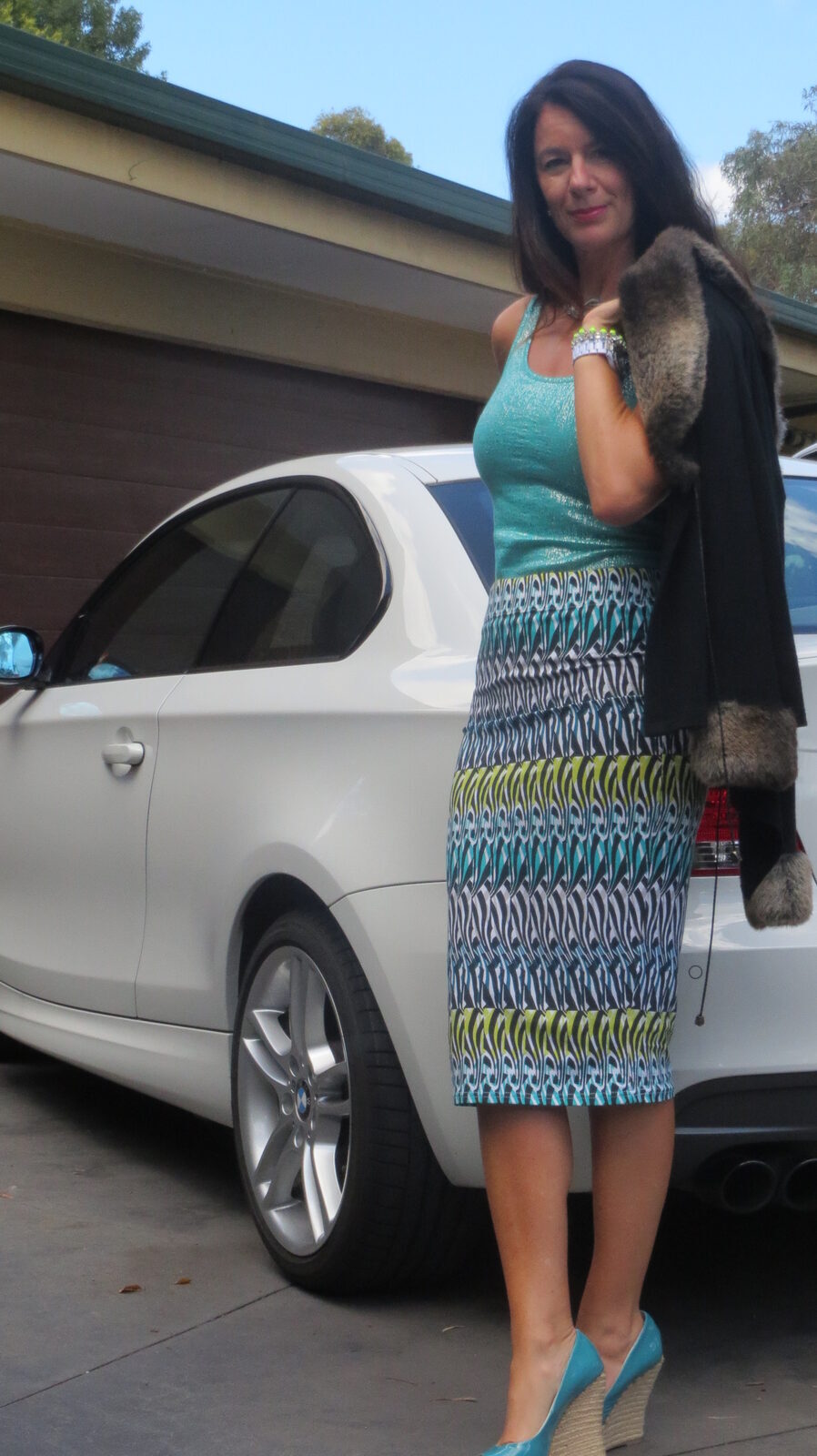
The catch is that op shopping is luck of the draw, you cannot walk in for a specific thing and count on finding it. Treat it as a regular browse rather than a targeted trip and the bargains come to you. For the rest, the outlets, the end-of-season sales, the resale apps and the everyday labels in the affordable brands worth knowing fill the gaps. Do check a brand is still trading before you plan a shop around it, mind, Australian fashion retail has had a brutal couple of years and several old faithfuls have gone.
The traps, in one place
The things that undo all of it, briefly, so you can check yourself in the mirror:
Clothes that do not fit and never got altered. Shiny, thin synthetics. Six colours at once. Visible logos and loud hardware. Bobbling, scuffing, dropped hems, creases. Buying the aspirational size instead of the one you are. Too many small shiny accessories. And the biggest of all: buying a great deal, quickly, without applying a single rule above, which is precisely the 56-items-a-year trap we started with.
Putting it together
None of this is about spending more. It is about fit, fabric, colour, condition and a little care, and the reason I can promise it works is that I have dressed this way for fourteen years on a budget that never allowed anything else.
If the hard part is working out which colours, shapes and pieces do this for your particular colouring and shape (and it usually is, because the rules are general and you are not) that is exactly what a session is for. A personal stylist will pin that down for you, and a personal shopper will help you find each piece well, to whatever budget you have. Or just keep reading the bargain posts and work it out the way I did, one op-shop coat at a time.
It was never about the money, girls. It is about fit, care and a good pair of eyes.
And now you’re Looking Good Girls.
“Man looks at the outward appearance, but the Lord looks at the heart,” 1 Samuel 16:7.