
Something has quietly changed about dressing for work in this city, and almost nobody has adjusted for it.
You are probably in the office three days, not five.

Australian in-office requirements now average around 3.6 days a week and are still tightening, and CBRE’s research has Tuesday, Wednesday and Thursday as the near-universal peak days, with most employers wanting at least three.
So your visible days are concentrated. Three outfits are now doing the work that five used to, in front of the same people, in the same week.
That should change what you own, and for most people it has not.
What actually reads as senior
Let me be blunt, because corporate style advice is usually a list of expensive things.
It is fit, first and by a distance. A garment cut for a slightly different body sits half an inch wrong everywhere, and the eye registers that as unconvincing long before anybody could say why. This is the most reliable signal in an office and the cheapest to correct, because a tailor charges tens of dollars to do what a new purchase cannot.
It is one structured element. Not a suit. One thing with a real line: a jacket with a proper shoulder, a collar, a defined waist. Structure is what the eye reads as deliberate.

That shirt is doing more work than an expensive jacket would. It has a shoulder, a waist and a collar, and it is clean and pressed. That is the whole vocabulary.
And it is repetition. A small wardrobe worn in rotation reads as having a point of view. A large and varied one reads as uncertain, which is precisely backwards from how most people shop.
What it is not is price. Nobody in a meeting can tell what your jacket cost. They can tell whether it fits.
Melbourne is not one corporate culture
This is where generic advice falls over, and it matters if you are searching for corporate styling in this city specifically.
The Collins Street end is the formal one. The financial precinct, the banks, investment management, and the Collins and William Street legal precincts with the major commercial firms. Melbourne is a head office town, with NAB and ANZ based here and the big professional services firms all present. This is the part of the city where a suit is still normal and where being underdressed is noticed.
Cremorne and Richmond are not. Melbourne’s tech ecosystem sits in Cremorne, sometimes called Silicon Yarra, and along Bridge Road and Swan Street, largely in converted warehouses. Turning up there in full corporate armour reads as an outsider, which is its own kind of mistake.
And most people are somewhere in between, in an organisation that has no written code and a strong unwritten one.
So dress for your floor, not your industry. The reliable move is to look at the people one or two rungs above you in your own building and calibrate to them. That is a real standard. The stereotype of your sector is not.
The three days, used properly
If you are in on Tuesday, Wednesday and Thursday like most of the city, the arithmetic is different from the one your wardrobe was built for.
Three strong outfits beat five adequate ones. You are being seen by the same people on consecutive days, so consistency helps you and variety does very little.
Put the good jacket on the day that matters. Most weeks have one: the meeting, the client, the board paper. Know which day it is and dress that day up a notch rather than spreading effort evenly.
And stop buying for the days you are at home. A remarkable number of people still own a full five-day work wardrobe and wear tracksuit bottoms on two of them. That is two days of clothes doing nothing.
The five-piece corporate core
People imagine a professional wardrobe is large. The ones that work are usually small, and this is roughly the shape of them.
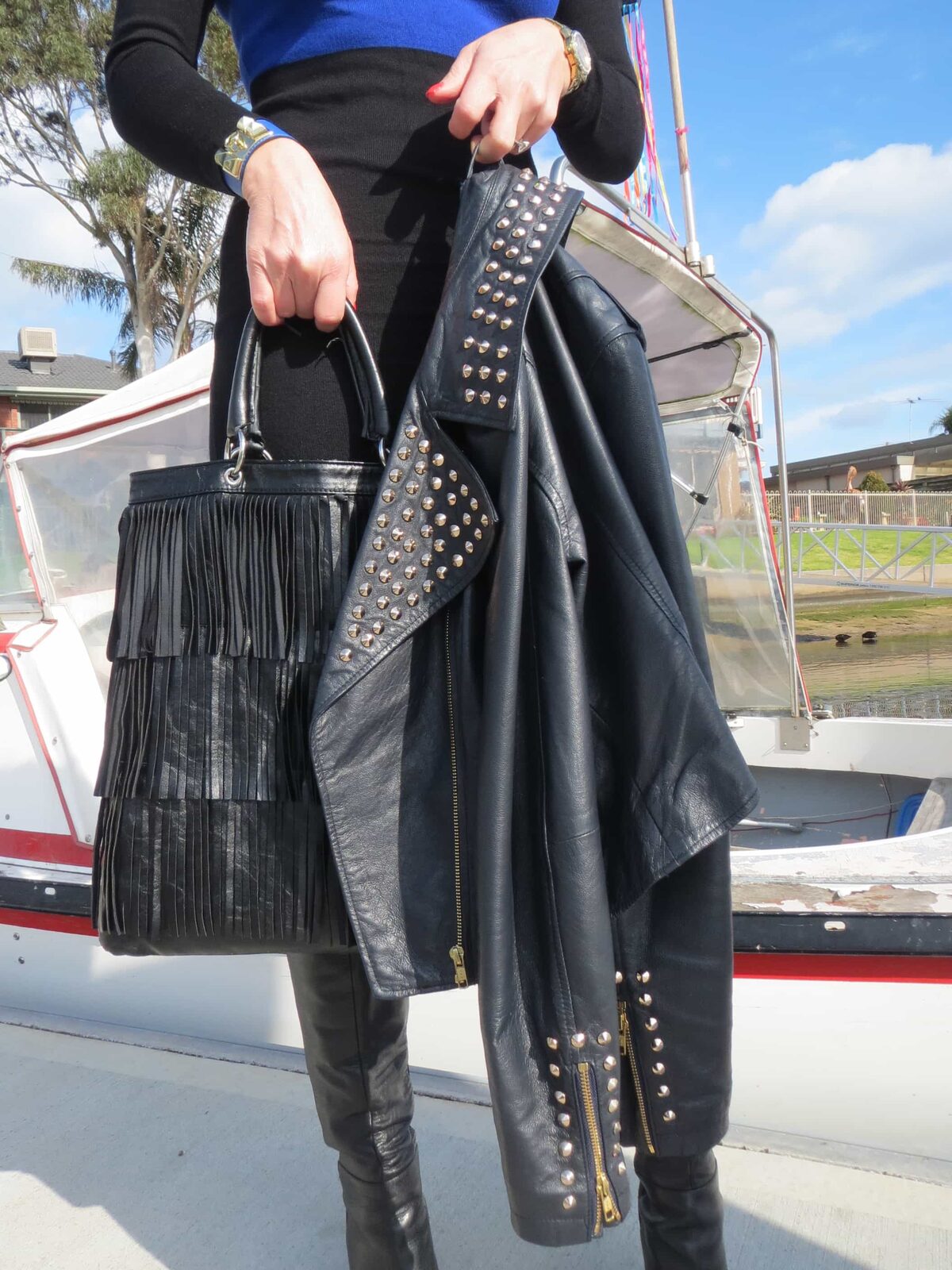
A jacket in a dark neutral. Navy or charcoal rather than black, because both are marginally softer against most complexions and both read as considered. This is the piece that carries the week.
Trousers that fit properly and hang from the waist, not from the hips, which is what makes cheap tailoring look cheap. Hemmed to one specific shoe.
A skirt or a dress with a defined waist. One of the two, not both, unless you genuinely wear both.
Two or three tops that are not versions of each other. One with a collar, one softer, one with a colour in it. Between them they change the character of the same jacket three times.
And a coat that goes over all of it. The most overlooked piece in any corporate wardrobe, because it is what everybody in the lift sees first and what half your colleagues will only ever see you in.
That is five or six things. Add the shoes and a bag and you can dress for a year, and you will look more decisive doing it than somebody cycling through thirty.
The trick is that they must all work with each other. Bought one at a time without that test, six pieces give you six outfits. Bought to combine, they give you fifteen.
The video call, which is half your visibility now
Worth treating as its own context, because it is.
Everything happens above the sternum. A collar, a shoulder line, a jacket, or one good necklace. Whatever structure you have, put it where the camera is.
Solid mid-tone colours read best. Very fine stripes and small checks can strobe on camera, and pure white can blow out under a bright window.
Do not wear a jacket that only works sitting down. Somebody will always ask you to stand up and fetch something, and the half-outfit becomes extremely visible.
And check what is behind you with the same attention you gave the shirt, which is not styling advice exactly, but it is the same instinct.
Authority without severity
This comes up with almost every woman I work with in a corporate context, and it deserves a straight answer rather than a slogan.
The fear is that dressing with authority means dressing hard: all black, sharp shoulders, nothing soft, a sort of armour. And then feeling like you are playing a part all day, which is exhausting and which people can see.
The way out is to let the structure carry the authority so everything else can be warm.
A jacket with a real shoulder does the serious work. Which frees the thing underneath to be a colour that suits you, a fabric with some life in it, a piece of jewellery you actually like. You get both, in one outfit, without contradiction.
Severity is not the same as seniority. In my experience the most authoritative women in a room are rarely the most severely dressed. They are the ones wearing very few things, extremely well fitted, in colours that suit them, on repeat. That reads as somebody who has decided, and deciding is what authority looks like.
What changes as you go further up
Worth saying, because the advice that gets you to senior manager is not quite the advice that works above it.
Junior to middle: be legible. Clean, well fitted, appropriate, unremarkable. You want your work noticed rather than your clothes, and the fastest way to be taken seriously is to remove anything that invites comment.
Middle to senior: be consistent. This is where repetition starts paying. Being recognisably the same person in the same register every week builds something that a rotating wardrobe cannot. It reads as steady.
Senior and above: be specific. At this level the risk flips. Too much anonymity starts to read as having nothing to say, and the people who seem most authoritative usually have one thing that is unmistakably theirs, worn constantly. A colour. A particular jacket. Always a scarf. It becomes shorthand for them.
And the higher you go, the less you need to prove. The most senior women I have dressed wear fewer things, in plainer shapes, more often. The urge to demonstrate seniority through clothes is mostly a middle-of-the-ladder instinct, and letting go of it is itself a signal.
None of which requires spending more. It requires deciding what you are, which is free and considerably harder.
What to spend on, in order
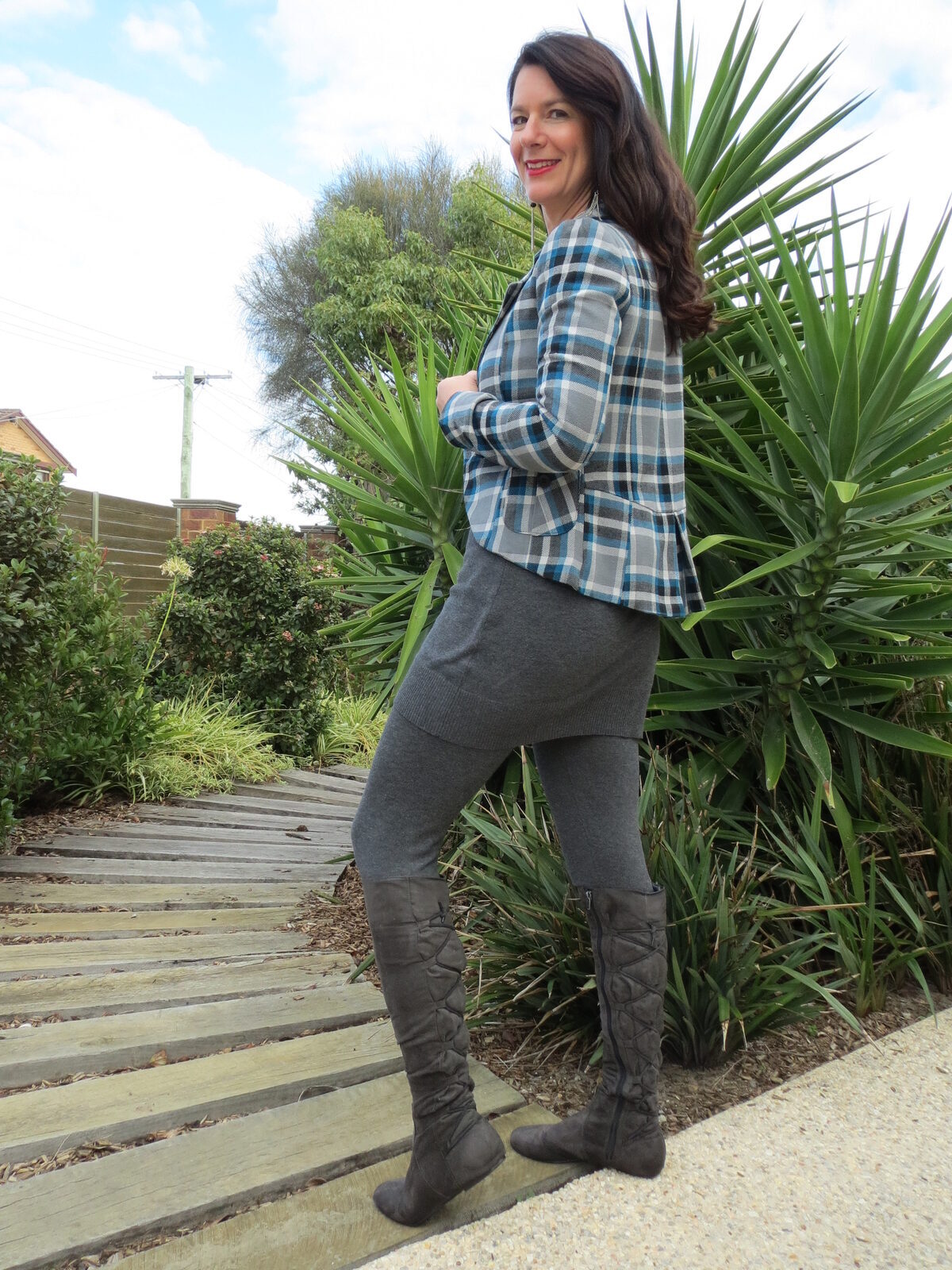
One jacket that fits your shoulders. The shoulder is the thing a tailor cannot cheaply fix, so it is the thing to get right in the shop. Everything else about a jacket can be altered.
Then alterations on what you own. Hems to the right shoe, waists taken in, sleeves shortened. Three alterations will do more for how senior you read than one new purchase, and cost less.
Then good shoes, kept clean. People notice shoes at work far more than they admit.
Then one excellent bag if you carry one, because it is in every photograph and beside you in every meeting.
And then stop. That list is most of it. The rest is rotation and pressing things properly, which is free.
If the budget is tight, the structure you need is sitting in the op shops of the wealthier suburbs and on the racks at the DFO outlets, because tailoring and coats are exactly what those places do best.
Where corporate wardrobes go wrong
Dressing for the title rather than the room. Manager means two different things in two buildings on the same street.
Buying a uniform you hate. A wardrobe of clothes that feel like a costume gets worn resentfully, and that shows. If you dislike every piece, the problem is not discipline, it is that you bought somebody else’s idea of professional.
Confusing expensive with senior. A recognisable label on a badly cut jacket is still a badly cut jacket.
Dressing for the forecast instead of the tower. Whatever the sky is doing, the twenty-third floor is set to one number all year, so a garment you can shed beats a warm one you are trapped in from nine until five. The Melbourne version of that problem has its own post.
And never editing. A corporate wardrobe accumulates. Once a year everything should come out, which is the exercise in what actually happens in a wardrobe edit.
The short version
- You are in three days, not five. Three outfits now carry the week.
- Fit does most of the work. Slightly too big reads as junior.
- One structured element beats a whole suit.
- Repetition reads as decisive. Variety reads as uncertain.
- Dress for your floor, not your industry. Collins Street and Cremorne are different countries.
- Put the structure above the sternum for video.
- Let structure carry the authority so the rest can be warm.
- Spend on one jacket, then alter everything else.
Promotions are what fill my diary. Somebody takes a bigger job, catches sight of themselves beside the role, and books a personal stylist in Melbourne at $299 for two hours. We almost always begin on the rail they already own, because the structure is usually hanging there unrecognised. Where it genuinely is not, a Half Day of personal shopping in Melbourne fills the gap for $399. Arriving into the job rather than rising within it is a different problem, covered in dressing for a new job.
Now go and look at what the people two rungs above you are actually wearing.
And now you’re Looking Good Girls.
“Diligent hands will rule, but laziness ends in forced labour.” Proverbs 12:24.