
The question I get asked most before a session is never about clothes.
It is some version of “how bad is it going to be?”
So here is the whole thing, hour by hour, including the parts nobody advertises.
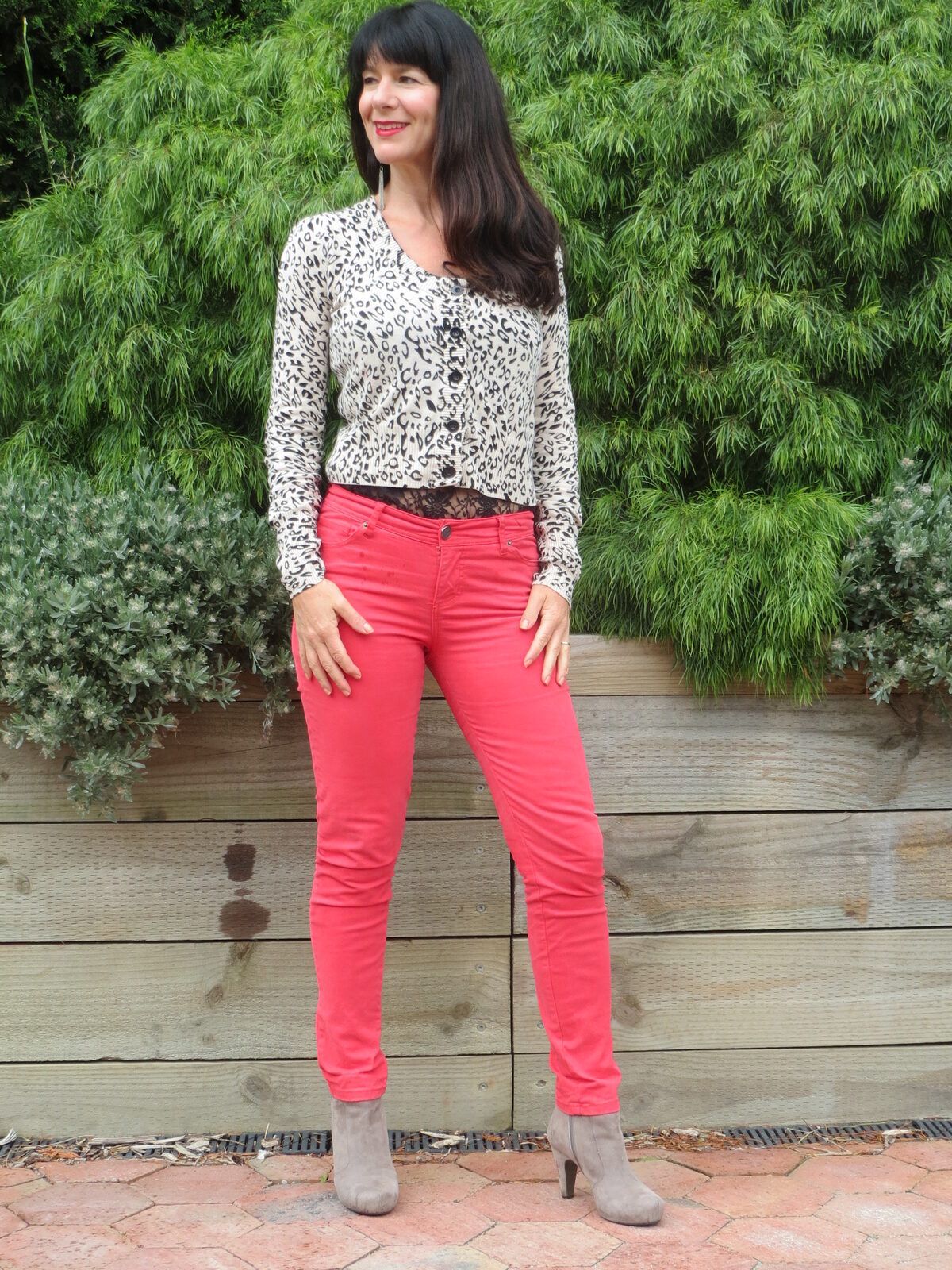
That outfit is relevant, incidentally. I was wearing it in my own kitchen when sardine oil flicked onto the red jeans on the way out the door. We will come back to it, because “can this be saved” is one of the four questions a wardrobe edit actually answers.
Before I arrive: do not tidy
I mean this, and almost nobody believes me.
A tidied wardrobe hides exactly what I need to see. The chair with the pile on it. The things shoved to the back where you cannot reach. The drawer that does not shut. The six near-identical black tops that reveal what you actually reach for at seven in the morning.
That mess is the evidence. Clean it up and I am working from a fiction.
What is genuinely worth doing:
- Wash what needs washing. Only so we are not judging something on a stain that comes out.
- Have your real shoes to hand. Not the good ones. The ones you wear.
- Wear something easy to change in and out of, with underwear you can be seen in, because you are going to be trying on a great deal.
- Find everything. The coat in the hall cupboard, the good dresses in the spare room, the shoes under the bed. It all has to be in one place.
And do not buy anything beforehand. People do this constantly, out of a sort of hospitality, and it is the one genuinely wasted money in the process.
The first half hour, before anything is touched
We sit down and talk, and it is not small talk.
I want to know what your week actually looks like. Not the version with the gallery openings. The real one: what you do for work, whether you are on your feet, how often you have to look serious, what you do at the weekend, and the handful of events a year that cause a panic.
I want to know what you love and never wear, what you wear and quietly hate, and what you are hoping I will not make you deal with. Budget comes up early and plainly.
This conversation decides everything after it. A wardrobe edited for the life you imagine is how people end up with nine things in rotation and a full wardrobe.
Then everything comes out
Physically. Onto the bed, then the floor when the bed runs out.
There is a moment about twenty minutes in when the room looks catastrophic and people get visibly alarmed. That is meant to happen. You cannot assess a wardrobe you cannot see, and a rail is designed to hide things from you: everything edge on, everything overlapping, the back two thirds invisible.
Seeing it all at once is often the single most useful minute of the day. Almost everybody says a version of “I did not know I had this many jumpers”.
The part nobody warns you about: you try things on
A great deal.
You cannot judge a garment on a hanger. Fit lives on a body, and half the things people are certain about turn out to be wrong in both directions: the trousers they were about to bin fit beautifully with the right shoe, and the jacket they have defended for years does something unkind to their shoulders.
Expect twenty or thirty changes. It is tiring and it is where the real information is.
Sorting happens as we go, not at the end
Things get decided in the moment, while you have them on, rather than piled up for a dreadful reckoning at four o’clock.
The categories themselves I have written up in what a personal stylist actually does, and I will not repeat them here. What is worth saying is which one surprises people.
The alterations pile. It is always the biggest and it is always the most valuable thing in the room.
A hem, a waist taken in, a sleeve shortened, shoulders adjusted: these cost tens of dollars and transform a garment from unworn to favourite. Most people have several hundred dollars of clothing hanging up that needs twenty dollars of work. A tailor is the best value in fashion and the most ignored.
And the four questions a stain gets. Back to the sardine oil. Can it be cleaned. Has it already been washed in, which usually settles it. Is it somewhere that shows. Is the garment good enough to be worth the attempt. Most stains are less fatal than people assume and set-in ones are more fatal than people hope.
What the edit finds that you never would
This is the real argument for having somebody else in the room, and it is not taste. It is that you cannot see a pattern you are standing inside.
The thing you own six of. Almost every wardrobe has one. Six near-identical black tops, four striped shirts, three navy blazers bought years apart. Nobody buys six of anything deliberately. It happens because that shape is the safe purchase, so it is what you reach for whenever you are tired or uncertain in a shop. You find out the moment they are all on the bed together, and never before.
The gap you have been working around for so long you stopped noticing. No jacket that goes over dresses. Nothing between jeans and a suit. No flat shoe you actually like. People build elaborate workarounds for these, then buy a fifth pair of heels instead, because the gap has become invisible through familiarity.
The thing that is doing all the work. One jacket, one pair of trousers, one cardigan holding half the wardrobe together. Worth knowing, because when it wears out you will want to have seen it coming, and because a second one in a different colour is usually the highest-value purchase available to you.
The size the wardrobe is really built for. Not a comfortable conversation and often the most useful one. If a third of a wardrobe fits a body from some years ago, you are not getting dressed from a wardrobe, you are getting dressed from the third of it that fits, while looking at all of it every morning.
And what you actually like, as opposed to what you believe you like. The two come apart more often than you would think. The answer is written all over the things that are worn soft at the cuffs, and it is usually a surprise to their owner.
The middle, which is emotional and normal
About two thirds of the way through, most people flatten out.
It is not boredom. Wardrobes hold a lot: money spent badly, a size you have not been for some years, a gift from someone you cannot disappoint, the suit from the job that ended badly.
I have never once been shocked by a wardrobe. I have seen hundreds. What I have seen a great deal of is women apologising for theirs, which is the part I would gently like to retire.
The advantage I have is not taste. It is that I did not pay for any of it, so I can look at the expensive mistake and see a jacket that does not fit, where you see four hundred dollars and a bad afternoon.
You make every decision. Nothing leaves without you. But I will ask why something is still there, and be honest when the answer has nothing to do with whether you wear it.
Then we build outfits, and photograph them
This is the part that makes the session survive the week.
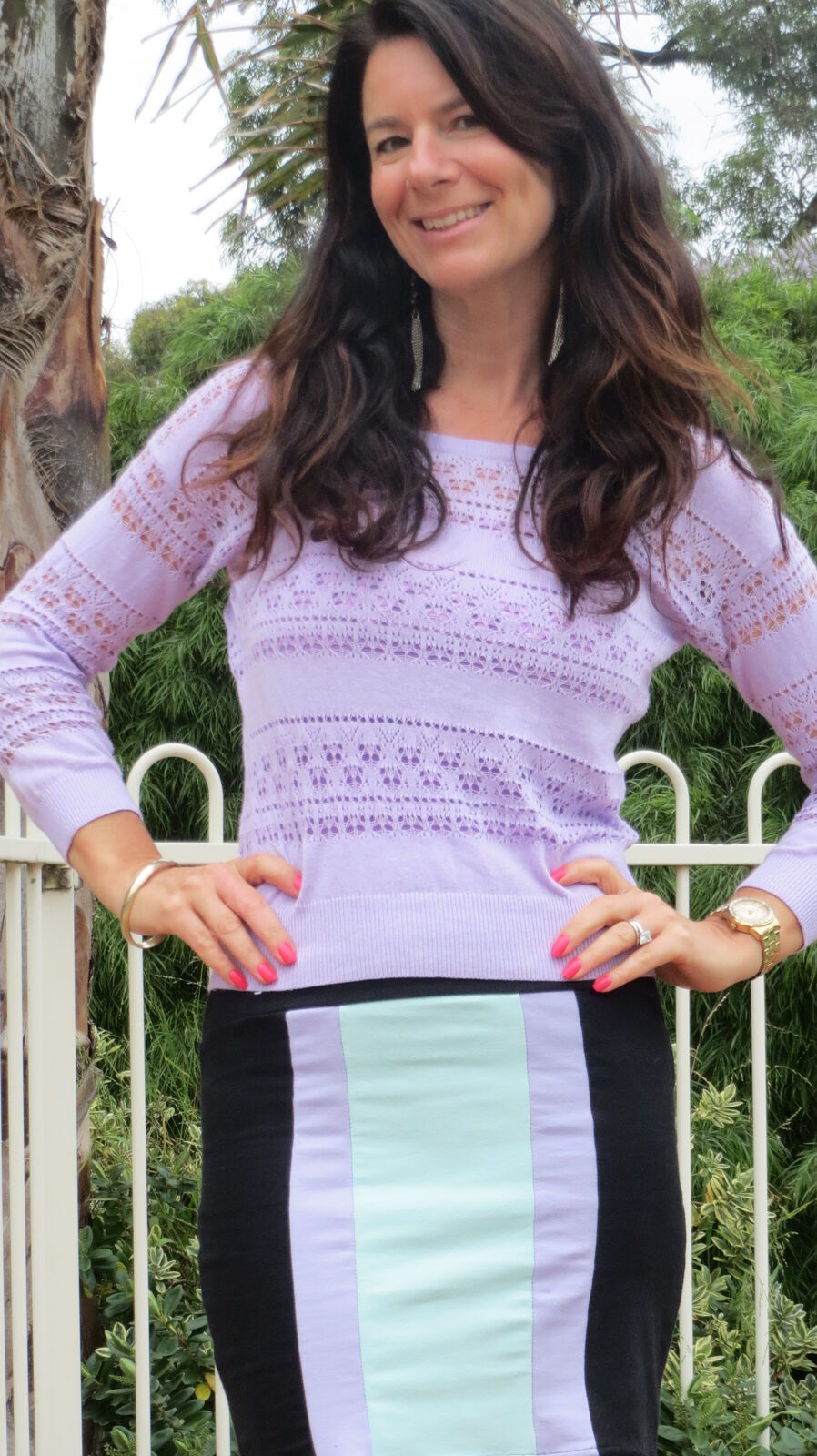
Loose clothes are not a wardrobe. Outfits are. So we assemble complete looks from what has survived, every piece including shoes and what goes on your wrist, and we photograph each one on your phone.
Outfit combinations evaporate roughly ninety minutes after I leave. The photographs are the only reason they do not. On a Tuesday morning in three months you will not remember that the grey knit works over the blue dress. The album will.
Where everything actually goes
The leaving pile gets sorted properly, because one unbearable heap by the door tends to sit in a car boot for six weeks and then go back in the wardrobe.
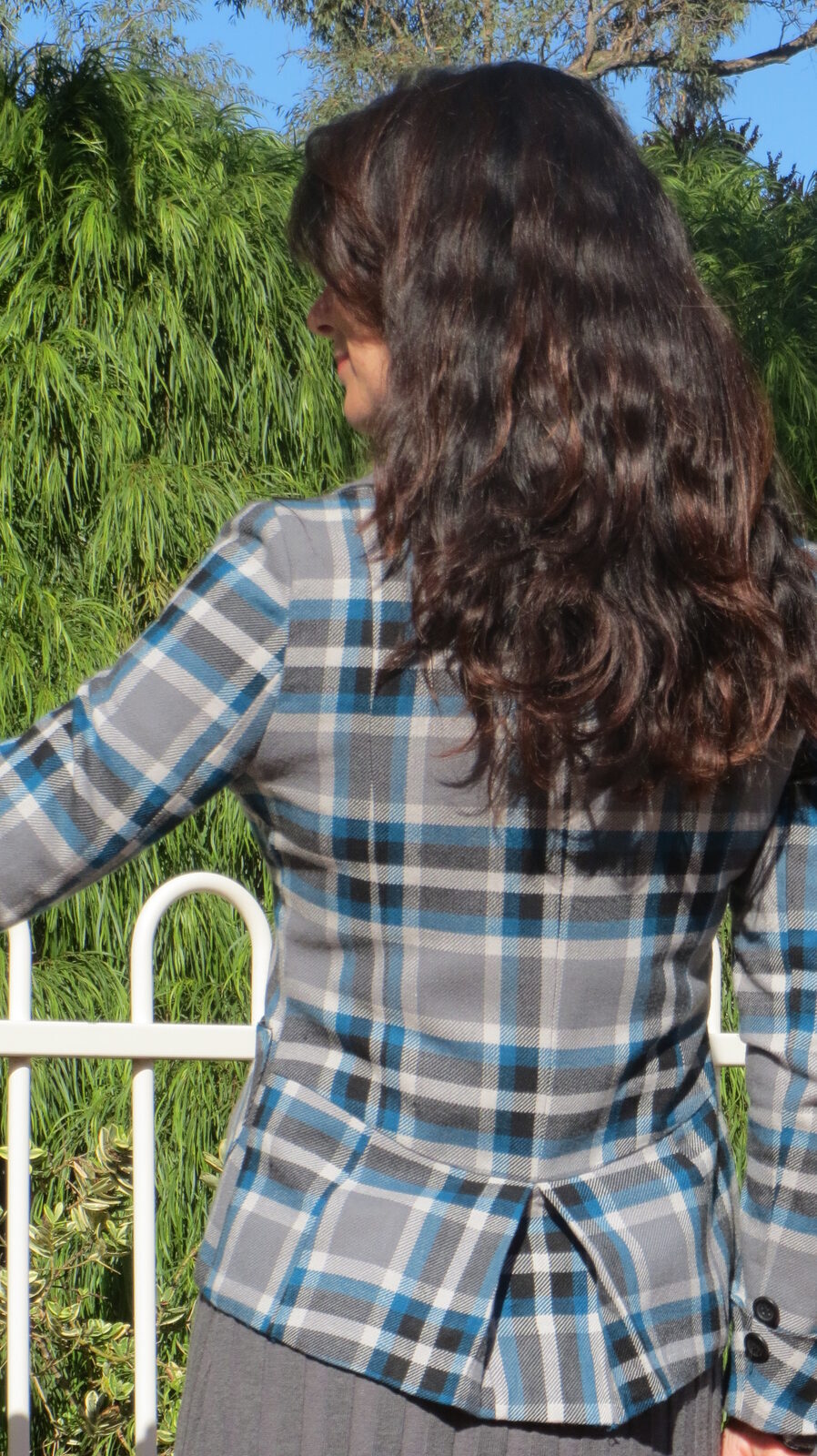
Sell anything with a good label and some life left. I have sold plenty of my own things this way over the years, including that tartan jacket above.
Donate what is genuinely wearable, and please be honest about that word. Charity shops spend real money disposing of things that cannot be sold.
Recycle the textiles that are past wearing. They should go to a textile recycler rather than into a charity bin, and it matters more than most people realise given Australia’s clothing waste numbers.
Repair the small pile that a tailor or a cobbler fixes. Put it in the car that day or it will not happen.
What I do not do
Worth being clear, because expectations are where disappointment comes from.
I do not throw anything out. You decide, every time.
I do not make you buy anything. A wardrobe edit can end with a shopping list of four items and no shopping at all, and plenty do.
I do not reorganise your whole house. Organising the wardrobe afterwards is its own job, and I have written how to do that yourself.
And I do not pretend it is permanent. Bodies change and lives change. A good edit leaves you with a method, not a museum.
The week afterwards
Getting dressed is faster immediately. That is the bit people notice first, the next morning, because the decisions are already made.
Do not go shopping for a fortnight. The urge is strong and it is exactly the wrong instinct. Live in the edited wardrobe first, and the gap list will get shorter and more accurate.
Expect one wobble. Around day ten most people miss something they let go of. It passes, and it is almost never the thing they expected to miss.
Then fill the gaps deliberately, one at a time, which is the whole argument in how to shop smarter and stop wasting money on clothes.
If you would rather do it alone
Genuinely fine, and a lot of people should. The full do-it-yourself version, including the categories that trip everyone up, is in the wardrobe decluttering checklist.
What you cannot easily give yourself is the second pair of eyes that has no history with any of it. That is the entire product.
The short version
- Do not tidy first. The mess is the evidence.
- Half an hour of talking before anything is touched.
- Everything comes out. The room will look alarming. That is the point.
- You will try on twenty or thirty things.
- The alterations pile is the biggest and the most valuable.
- The middle is emotional. That is normal and nobody is judging your wardrobe.
- Photograph every outfit, or they evaporate.
- Sort the leaving pile into sell, donate, recycle and repair before I go.
Two hours of this in your own home is $299. The four hour version, which is the one that empties everything and sends you a lookbook afterwards, is $549, and both run through a wardrobe session in Melbourne. Shopping is a separate decision and a later one: live in the edited wardrobe for a fortnight, and if the list still stands, $399 covers a Half Day of personal shopping in Melbourne.
Now go and look at what is on the chair.
And now you’re Looking Good Girls.
“When it snows, she has no fear for her household; for all of them are clothed in scarlet.” Proverbs 31:21.