
The day does not start when we meet outside the shop. It starts about a week earlier, and almost none of that part is visible to you.
That invisible week is most of what you are actually paying for.
The week before, which you never see
Once I know the list, whether that came out of a wardrobe session or a conversation, the preparation starts.
I work out where the things actually are. Not where they might be. Stock moves constantly, and the difference between a good day and a wasted one is knowing that the shop you were going to start at has nothing in your size this fortnight.
I plan a route. In order, with the walking accounted for, and with the cheapest and most interesting places first while you are sharp. The Melbourne map I work from is fourteen years old and constantly revised.
I ring ahead and put things aside where I can. Small boutiques will hold. So will the good people in larger shops, once they know you.
And I pre-select. So the day is spent trying on things that already have a decent chance rather than trawling racks until your feet give out.
This is why a shopping day costs more per hour than a wardrobe session. You are buying the preparation as much as the company.
What to wear and bring
Practical, and it makes a real difference to how much gets done.
Clothes you can change out of quickly. You will be in and out of a change room many times. A dress with a side zip and thirty buttons will cost you half an hour across the day.
Nothing that has to go over your head if you are wearing makeup you care about.
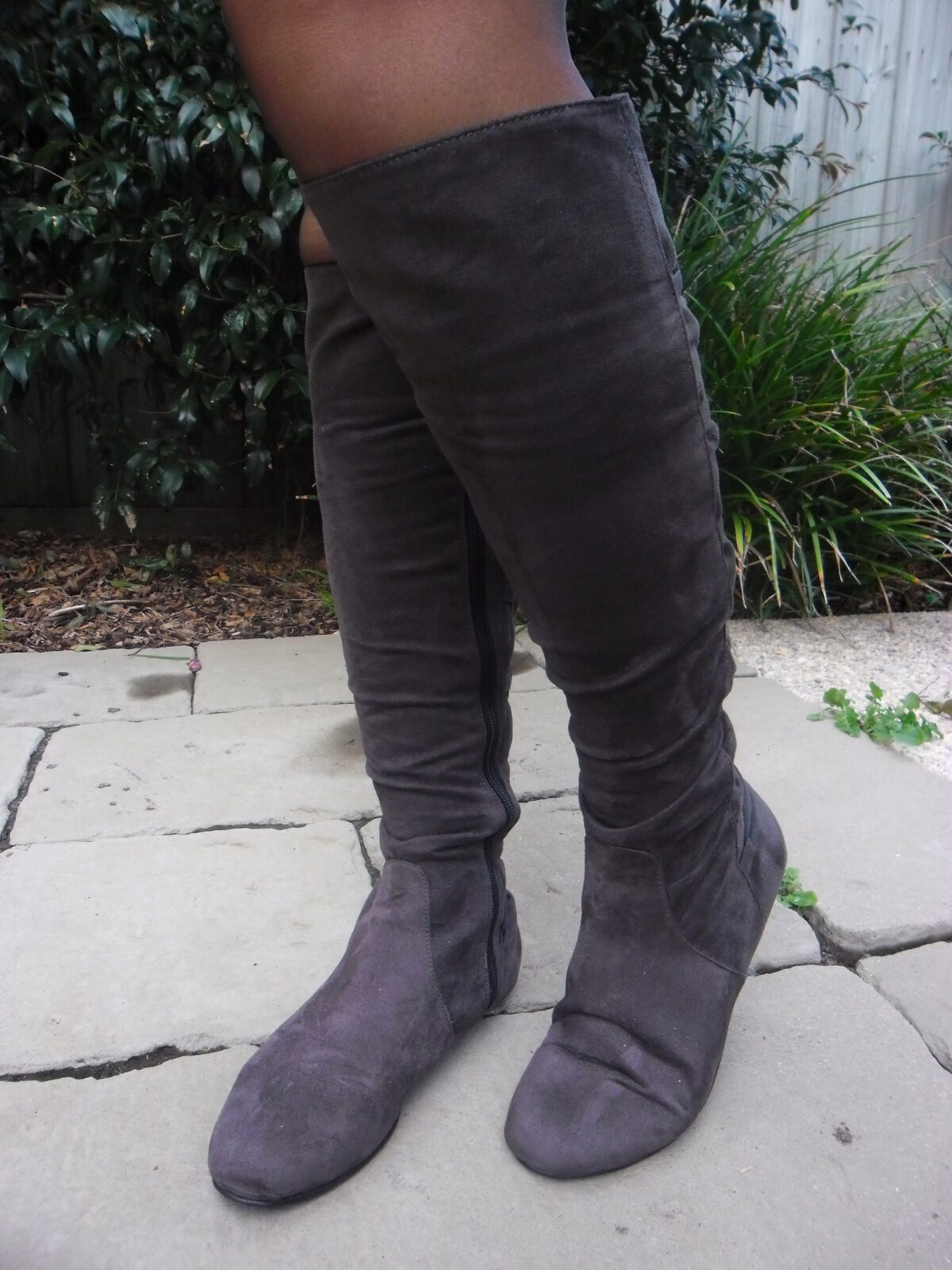
Shoes you can walk in, and separately, the heel height you actually wear, in a bag, if we are looking at trousers or a dress. Hems are decided by shoes and guessing is how things end up unworn.
Underwear you are happy to be seen in, and the right bra for the shape of thing we are buying. It changes the silhouette more than most people expect.
Your phone, charged, for photographs. And eat breakfast, which sounds like your mother talking and is the single most reliable predictor of how well the last hour goes.
The shape of the day
We meet at the first shop, not at a car park, because the first shop is chosen deliberately.
The first half hour is calibration. I will pull things, including one or two you would never pick, and your reaction to those tells me more than a conversation could. Nobody is expected to like everything in the first shop, and the day is not going badly if you do not.
Then it moves quickly. Three hours sounds short and it is not. Shopping with purpose is far more tiring than browsing, and three focused hours beat six of wandering every time.
I do not hand you things and wait outside in silence. I am there for the fit calls, which is the actual job.
The change room, which is the whole thing
This is the part nobody writes about honestly, so let me.
A good stylist tells you no, clearly, without making it about you. “That is doing nothing for your shoulders” is a sentence about a jacket. “The colour is fighting your skin” is a sentence about a dye. Neither is a comment on the person in the mirror, and the distinction matters enormously.
You should hear specifics rather than verdicts. Not “it is lovely”. Something more like: the waist is sitting two inches too low, the sleeve is cut for a longer arm, this will look entirely different once it is hemmed. If all you get is lovely, you are being agreed with rather than helped.
And you should be told when something works and why. The why is the part you keep. The point of the day is not the bag you go home with, it is that in six months you can stand in a shop alone and know the answer.
Push back early. Really. “I hate that” in the first shop saves two hours. Politeness is the most expensive thing in any change room, and I would far rather you rejected six things and loved the seventh than nodded along to all seven.
The five things I am actually checking
People assume a stylist is judging whether something looks nice, which is the least of it. In every change room I am running the same short checklist, and it is worth knowing because you can run it yourself.
One: the shoulder. The seam should sit on the corner of your shoulder, not halfway down your arm and not pulling up onto the muscle. This is the one thing a tailor cannot fix cheaply, so it is the first thing I look at and the fastest no in the shop.
Two: where the waist lands. Not whether it is high or low in fashion terms, but whether the narrowest part of the garment is meeting the narrowest part of you. An inch out and a good dress looks borrowed.
Three: what happens when you move. Sit down. Reach up. Walk four steps. A surprising number of garments are designed for standing still, and you will discover that in a restaurant rather than in the shop unless somebody makes you do it.
Four: the fabric under the shop lights. Retail lighting is extremely flattering and it is not lying by accident. I want to know how something looks in daylight, how it creases when you crush a handful in your fist, and whether it is going to pill in three weeks.
Five: what it goes with. Out loud, specifically, naming things you already own. If neither of us can name three existing pieces it works with, it is not a purchase, it is a project. That test alone would prevent most of the wasted spending I write about in how to shop smarter and stop wasting money on clothes.
Nothing there requires an eye or a qualification. It requires somebody to slow down and actually look, which is the thing that is genuinely hard to do about yourself in a small room at the end of a long week.
The running total, out loud
Budget gets handled in the open, not left to be discovered at the till.
We agree a number before we start and I say it out loud as it goes. “That takes us to $340 of the $600.” It is unglamorous and it removes almost all of the anxiety, because nobody is quietly doing sums while pretending to look at a rail.
If something wonderful blows the budget, we stop and talk about it properly rather than letting the moment carry you. Sometimes the answer is yes and we drop two other things. Sometimes it is that it will be there in three weeks at forty per cent off.
And I take no commission, from any shop, which is why I can say put it back without it costing me anything. That question is worth asking of anybody you hire, and I set out why in what a personal stylist costs in Melbourne.
What we deliberately do not buy
A good day says no a great deal more than it says yes.
Anything that needs a whole new outfit around it. The beautiful thing that goes with nothing you own is how wardrobes end up full and unwearable.
Anything in the wrong size on the hope of a sale. This is the most common and the most expensive mistake in retail.
Anything bought because the day feels unproductive. Three right things beat nine compromises, and the urge to justify the afternoon is strongest at about hour four.
And anything you love but cannot say when you would wear. If neither of us can name the occasion, it is a souvenir.
When it goes wrong, because sometimes it does
Worth being honest about this, because every guide to shopping days pretends it never happens.
Sometimes the stock simply is not there. A season lands late, a shop has been picked over, the one thing we came for is sold out in your size across the city. That is disappointing and it is not a failure, and the right response is to buy nothing rather than to buy something so the day feels complete.
Sometimes you hate everything for the first hour. Almost always a calibration problem rather than a taste problem, and it usually resolves once you have said out loud what is wrong with three or four things.
And sometimes you are just not in the mood. Bad night, hard week, wrong day. I would rather reschedule than spend your money while you are miserable.
Lunch, and the energy curve
Not a throwaway point.
Everybody has a slump, usually between the second and third hour, and it is the reliable cause of bad purchases. So we stop, sit down and eat something. Twenty minutes off your feet is worth more to the outcome than twenty more minutes of racks.
And we finish before you are exhausted. The last half hour of a tired day is where the compromises get made, which is precisely why a Half Day of three hours is enough for most jobs and a Full Day of five is the sensible maximum.
The end of the day, and the fortnight after
You get outfit notes for everything bought, so it does not sit in a bag unworn, which is the fate of a remarkable amount of well-intentioned shopping.
Keep the tags on for a week. Live with things. Try them with what you already own, at home, in your own light and your own mirror.
And return what does not settle. Returning something is part of the process rather than an admission that the day failed, and I will help with it. The shops expect it and you are entitled to it.
Half day or full day
A Half Day, three hours, $399. One occasion, a season refresh, or filling a specific short list. Most people need this one.
A Full Day, five hours, $649. Rebuilding a working wardrobe from the ground up, and it starts with a wardrobe assessment so we are not buying blind. If you have not had an edit, that assessment is what stops the day becoming an expensive guess. The edit version of it is in what actually happens in a wardrobe edit.
The short version
- Most of the work happens the week before, in the route and the pre-selection.
- Wear something you can change out of quickly and bring the heel height you actually wear.
- The first half hour is calibration. Push back early and plainly.
- Expect specifics in the change room, not verdicts.
- The budget is said out loud as it goes.
- Three right things beat nine compromises.
- Eat lunch, and finish before you are tired.
- Keep the tags on for a week, and return what does not settle.
Clear list already? Then it is $399 for the Half Day or $649 for the Full, both of them a personal shopping day in Melbourne run the way this post describes. No list yet, and the day will be an expensive guess, so spend $299 on two hours with a personal stylist in Melbourne first. Shopping without knowing the gaps is, after all, how most wardrobes got into their current state.
Now go and find the shoes you actually wear.
And now you’re Looking Good Girls.
“Whatever your hand finds to do, do it with all your might.” Ecclesiastes 9:10.