
The question is never whether you like something. Almost everything in a cluttered wardrobe is liked. That is precisely why it is still there.
The useful questions are whether you have worn it, whether it fits the body you have now, and whether you would buy it again today. Those three do most of the work, and the last one is the honest one.

Before you start
Two hours, not a whole weekend. Decluttering fatigue is real, and the decisions you make in hour four are worse than the ones in hour one, which is how people either keep everything or bin things they later want.
Get everything out where you can see it, on the bed. A wardrobe you can only see the fronts of is how things hide for a decade. Have four piles ready: keep, maybe, repair or alter, and out.
Try things on if you are unsure. Standing there holding a garment against yourself tells you nothing. The mirror is the whole point of the exercise.
And start with the easy wins: things that are damaged, things that have not fitted for years, duplicates you never reach for. Momentum matters. Beginning with the wedding outfit from 2009 is how people give up twenty minutes in.
The five questions
Ask these of every piece. Two or more failures and it goes.
1. Have I worn it in the last year? Not “would I”, not “could I”. Did I. One full cycle of seasons is a fair test.
2. Does it fit me now? Now, today, the body in the mirror. Not the body you had, and not the one you are planning.
3. Is it in good repair? Bobbled, greying, stretched, stained, missing buttons. If it needs work, it goes in the repair pile, and if you know you will never take it, that is an answer too.
4. Does it go with at least two other things I own? The single most useful question in the list, and the one people never ask. A piece that combines with nothing produces no outfits, however lovely it is on its own. This is the whole argument behind the capsule wardrobe.
5. Would I buy it again today, at full price? The killer. Plenty of what we keep is stuff we would never choose again. We are simply used to seeing it.
The categories that trip everyone up
The five questions handle eighty per cent of a wardrobe. These are the pieces that need a separate conversation.
The aspirational size
Everyone has them, and they are the most quietly corrosive thing in a wardrobe. A daily reminder of a body you do not currently have, hanging where you get dressed every morning.
If they have not fitted in two years, let them go. If you are genuinely mid-change and expect to be a different size soon, box them and put the box somewhere other than the bedroom. The point is not to be ruthless about it. The point is that clothes should not be a reproach.
The occasion piece
Different rules entirely, because cost-per-wear does not apply to something you own for a purpose rather than a frequency.

Something like that gets worn twice a year, and that is fine. It earns its place by being ready when it is needed. Keep one or two genuine occasion pieces. Keep six and you are storing a costume department, and be honest about whether the events they belonged to are still in your life.
The trend piece you loved
Look at it clearly. Would you wear it out this month?
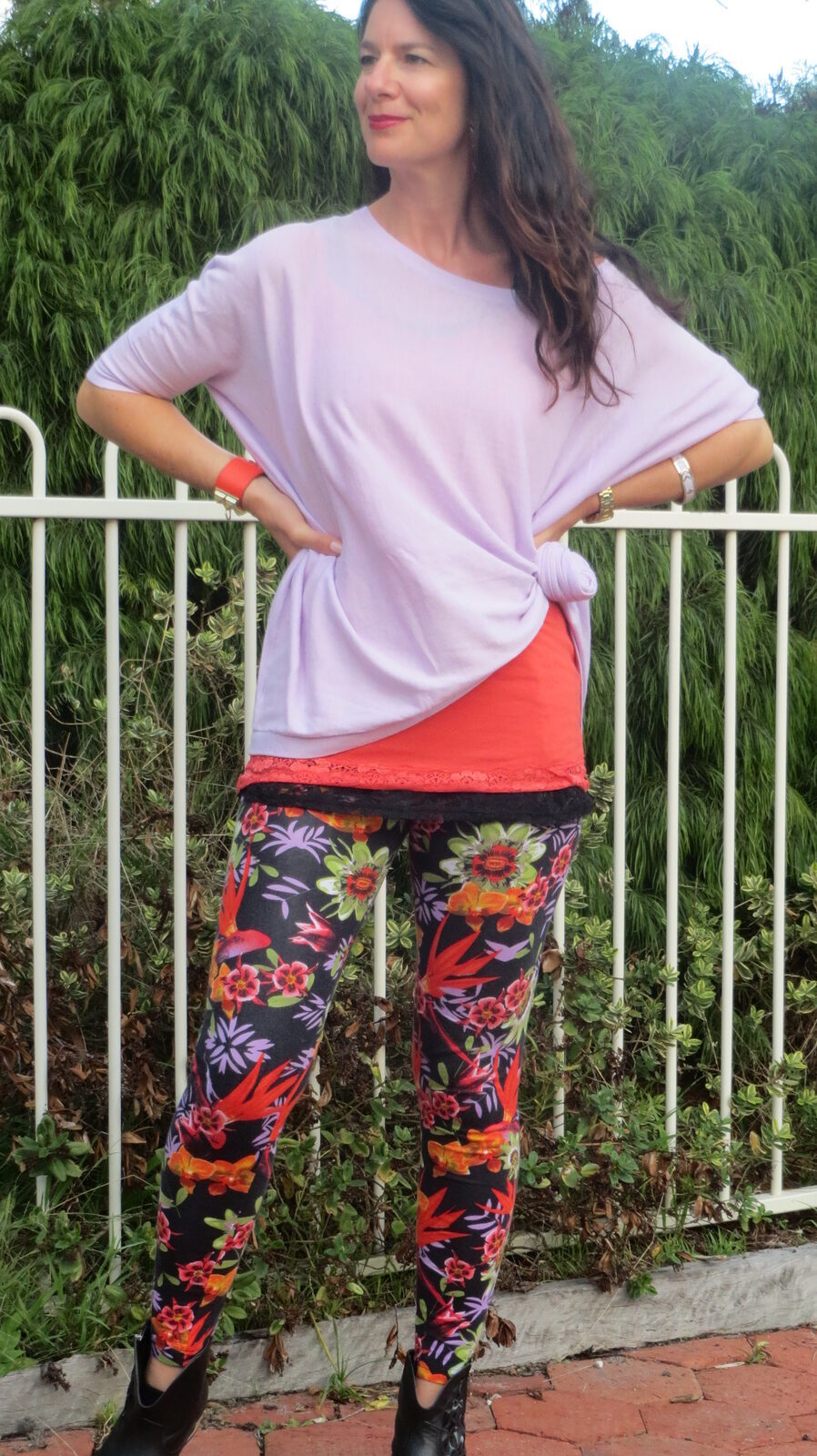
I loved those leggings and wore them to death, and that is exactly the right outcome for a trend piece, bought cheaply, worn hard, let go without ceremony. What does not work is keeping a decade of them out of guilt about what they cost.
The sentimental one
Genuinely different, and I will not tell you to bin it. But separate the two piles honestly: clothes you wear, and clothes you keep because of what they mean. The second lot belongs in a box with the photographs, not taking up hanging space you dress from.
And you do not need six things from an era. Keep the one that means the most.
The expensive mistake
The hardest, because of what psychologists call sunk cost: the money is gone whether you keep the garment or not. Keeping it recovers nothing. It just costs you the space and a small pang every time you see it.
If it is genuinely valuable, sell it and recover something. If not, pass it to somebody who will actually wear it, which is a far better outcome for a good garment than another decade in the dark.
The almost-right
Too long, gapes at the waist, sleeves not quite there. Decide today: repair pile or out. Twenty to fifty dollars at a tailor turns most of these into favourites, and that is the best money in fashion, the argument in the best fashion investments under $200.
What does not work is putting it back in the wardrobe for another year of not quite wearing it.
Shoes, bags and jewellery
These get skipped and they should not, because they take up the most space per item and they are the easiest to be honest about.
Shoes answer one question: can I walk in these? A pair you have limped in once will never be worn again, and no amount of hoping changes it. Beyond that, look at the condition, scuffed, worn-down heels and stretched leather are past re-heeling at some point, and that point is usually earlier than we admit.
Bags, be ruthless. Most women use two. The rest are stored hope.
Jewellery, keep what you wear and what is genuinely precious, and let the rest go. Tangled costume pieces you have not touched in five years are not an accessory collection, they are a drawer.
The maybe box
For anything you genuinely cannot call. Box it, label it with the date, and put it somewhere out of sight.
Six months later, do not open it. Just ask whether you went looking for anything in it. If you did not, it goes as a box, unopened, because opening it restarts the deliberation you already had.
In fifteen years of doing this with clients I have heard of very few genuine regrets, and almost all of them were sentimental rather than practical. Nobody has ever rung me devastated about a top.
Where it actually goes, and this matters
Please do not put it all in a charity bag. This is the part of decluttering nobody talks about, and as somebody who has built a wardrobe out of op shops for fourteen years, I care about it a great deal.
Australian charities spend an estimated $13 million a year disposing of unusable donations: roughly 60,000 tonnes of it. That money comes straight out of what was meant for people in need. When you put a stained t-shirt in a charity bin, you are not donating. You are paying a charity to take your rubbish.
So sort it properly:
Op shop, only what you would hand to a friend. Clean, undamaged, currently wearable. Wash it first.
Resale: anything with real value. Depop, eBay, Facebook Marketplace, the designer resale sites, or a local dress agency. You recover money and the piece goes to someone who chose it.
Textile recycling: stained, torn, bobbled, worn out. Many councils now have drop-offs, some retailers run take-back schemes, and there are dedicated textile recyclers. This is where the unwearable belongs.
Rags, old cotton tees and towels are genuinely useful. Cut them up and stop buying cleaning cloths.
Friends first, though. Before any of it, a pile for people who would love something. It is free, it is nicer, and the clothes end up somewhere you can see them.
What people wrongly throw out
Two things worth rescuing from the out pile before it leaves.
Anything that only needs altering. A dress that is perfect but for the length is not a failure, it is a thirty-dollar job. People bin these constantly.
Good fabric in a dated shape. Real silk, wool, cashmere and leather are worth keeping even when the cut is tired, because a tailor can often rework them and because quality that old was usually made properly. It is exactly what makes op shops worth trawling in looking expensive on a budget.
If two hours is not happening
Plenty of people never start because the full edit feels enormous. So do not do the full edit. Do one of these instead, and do it this week.
The twenty-minute drawer. One drawer or one shelf. Knitwear, or t-shirts, or the bottom of the wardrobe. Small enough to finish, and finishing is the point. It is momentum you are after, not completeness.
The reverse hanger trick. Turn every hanger backwards today. As you wear something, hang it back the right way round. In six months, everything still backwards is something you have not worn, and the decision has been made for you by evidence rather than by argument. This is the least painful method I know and it needs no free afternoon at all.
The daily one. Every time you take something off and think I did not enjoy wearing that, put it straight in a bag by the door rather than back in the wardrobe. Ten seconds, and over a year it does more than any single clear-out.
How to stop it filling up again
An edit is a one-off. Staying edited is a habit, and it is a short list.
One in, one out, for the categories that breed. Nobody needs a twelfth black top, and if a new one arrives an old one leaves.
Deal with returns within the week. The single biggest source of wardrobe clutter is things bought online that did not fit and never went back. They sit in the bag, the window closes, and then they hang in the wardrobe unworn forever as a monument to the postage.
Buy from the gap list, not from a mood. The list you write after this edit is the thing standing between you and doing it all again next year.
Keep the donate bag going permanently. One bag, always on the go, dropped off whenever it fills. Decluttering stops being an event and becomes maintenance.
Afterwards: do not go shopping
The temptation, standing in front of a wardrobe that suddenly looks sparse, is to fill it again immediately. Resist it for a fortnight.
Live with the smaller wardrobe and write down what you genuinely reach for and what is genuinely missing. The gaps you notice in real life are quite different from the ones you imagine while looking at empty rails, and that written list is what stops the next shop rebuilding exactly the mess you just cleared.
Then buy only from the list, and buy it well. The affordable options are in the brands worth knowing, and what suits your shape is in the body shape guide.
If you cannot face it alone
Most people cannot, and it is not a character flaw. You are attached to the clothes, you remember what each one cost, and you have talked yourself into keeping the same twelve things three years running.
That is exactly what the wardrobe edit in a styling session is for, someone with no attachment to any of it, asking the five questions without flinching. A personal stylist will do the edit and tell you what the gaps really are, and a personal shopper will fill them afterwards. More in the styling posts meanwhile.
Worn it, fits now, good repair, goes with two things, would buy it again. Everything else is just tidying.
And now you’re Looking Good Girls.
“A time to keep, and a time to cast away,” Ecclesiastes 3:6.