An investment piece is not an expensive one. It is a versatile, well-made piece you will wear for years, and the wonderful secret, after fourteen years of proving it on this blog, is that every one of them can be had for under two hundred dollars, and most for far less.
The word “investment” has been quietly hijacked by fashion to mean “spend more”, but that is not what it means at all. An investment is something that pays you back. In a wardrobe, the pieces that pay you back are the ones you reach for constantly, that go with everything, and that keep going for years, whatever they cost at the till. Here are the ones worth it, and how to find them without spending a fortune.
What “investment” really means
The honest measure of any garment is cost per wear. The price divided by the number of times you actually wear it. A hundred-dollar coat worn all winter for five years costs a few cents a wear; a fifty-dollar dress worn twice costs twenty-five dollars each time. By that maths, the useful, hard-wearing piece is nearly always the cheaper one, and the “bargain” you never reach for is the real waste. It is the same argument I have made for years in it’s time to invest wisely.
There is a longevity angle too, and it is not sentimental. Keeping a garment in use longer is one of the most effective things any of us can do: WRAP, the authority on clothing durability, finds that extending the active life of clothes by even nine months meaningfully cuts their carbon, water and waste footprint. Buying one good thing you keep beats three cheap ones you bin. So an investment piece earns its place three ways at once: you wear it more, you keep it longer, and it costs you less over its life.
Now, the list. Every one of these is achievable, well-made, for under $200.
The pieces worth investing in
A well-cut blazer. The single most transforming layer there is. It makes jeans look considered and a dress look finished, and a good one carries a whole wardrobe. Spend a little here, or find a quality one secondhand and have it tailored. More on exactly how a blazer earns its keep in dressing for work without looking boring.
A good white shirt. Endlessly versatile, worn open over a tee, tucked into jeans, under a knit, or on its own to something smart. Buy it in good cotton so it holds its shape, and replace it before it yellows.
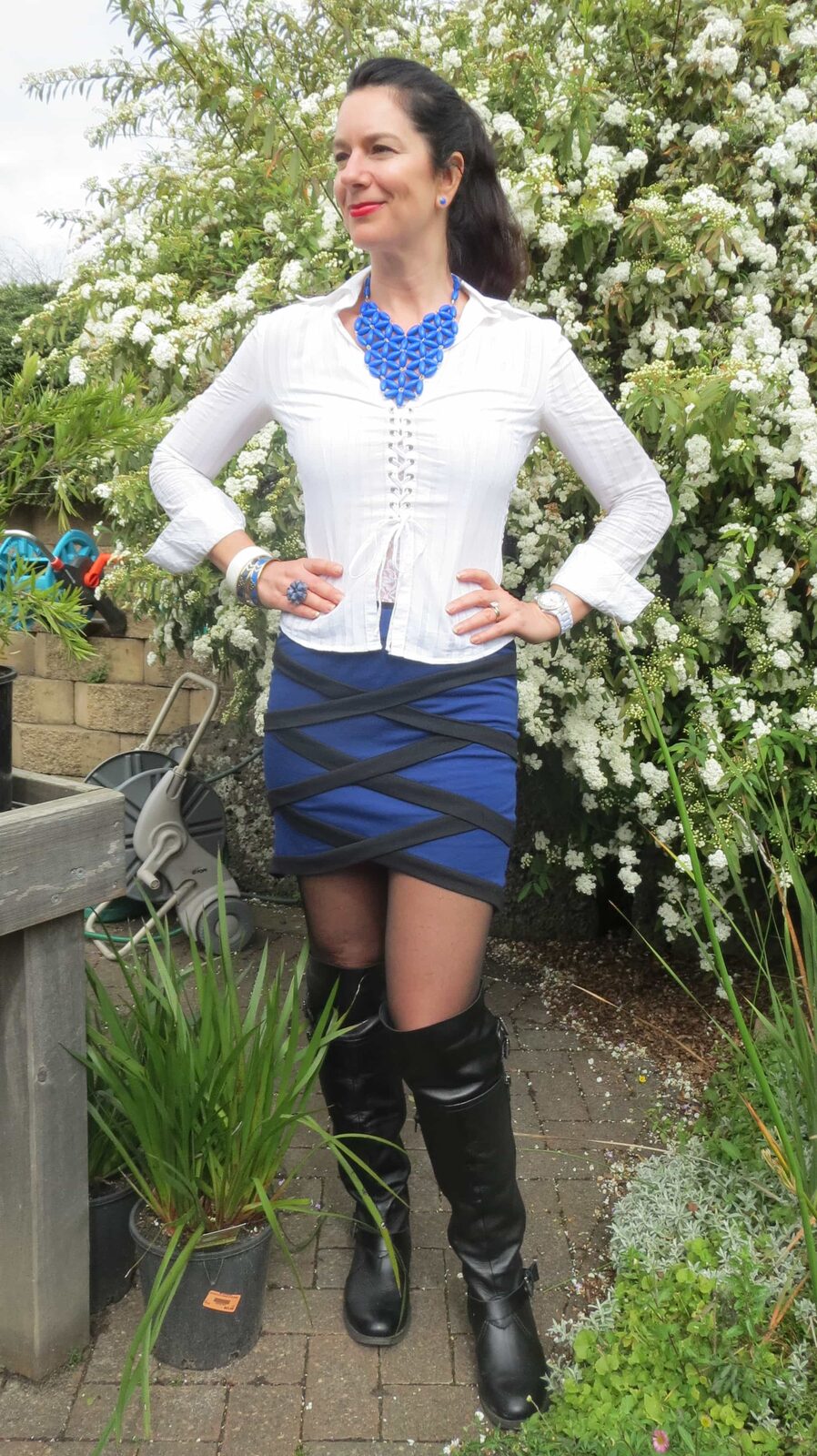
Dark straight-leg jeans that fit. A well-fitting pair of dark, straight jeans dresses up further than any other, and goes with everything from a blazer to a knit. Fit is everything here, spend on the pair that fits, or have a cheaper pair tailored, and skip the trend cuts you will tire of. A dark, unfaded wash reads as smart in a way a pale distressed pair never will, so it crosses from weekend to almost-work, which is what makes it such good value for the money.
One versatile dress. Not necessarily black, but one dress in a plain colour and a flattering shape that you can dress up or down, heels and a blazer for an event, flats and a denim jacket for a lunch. One good dress does the work of five occasion frocks.
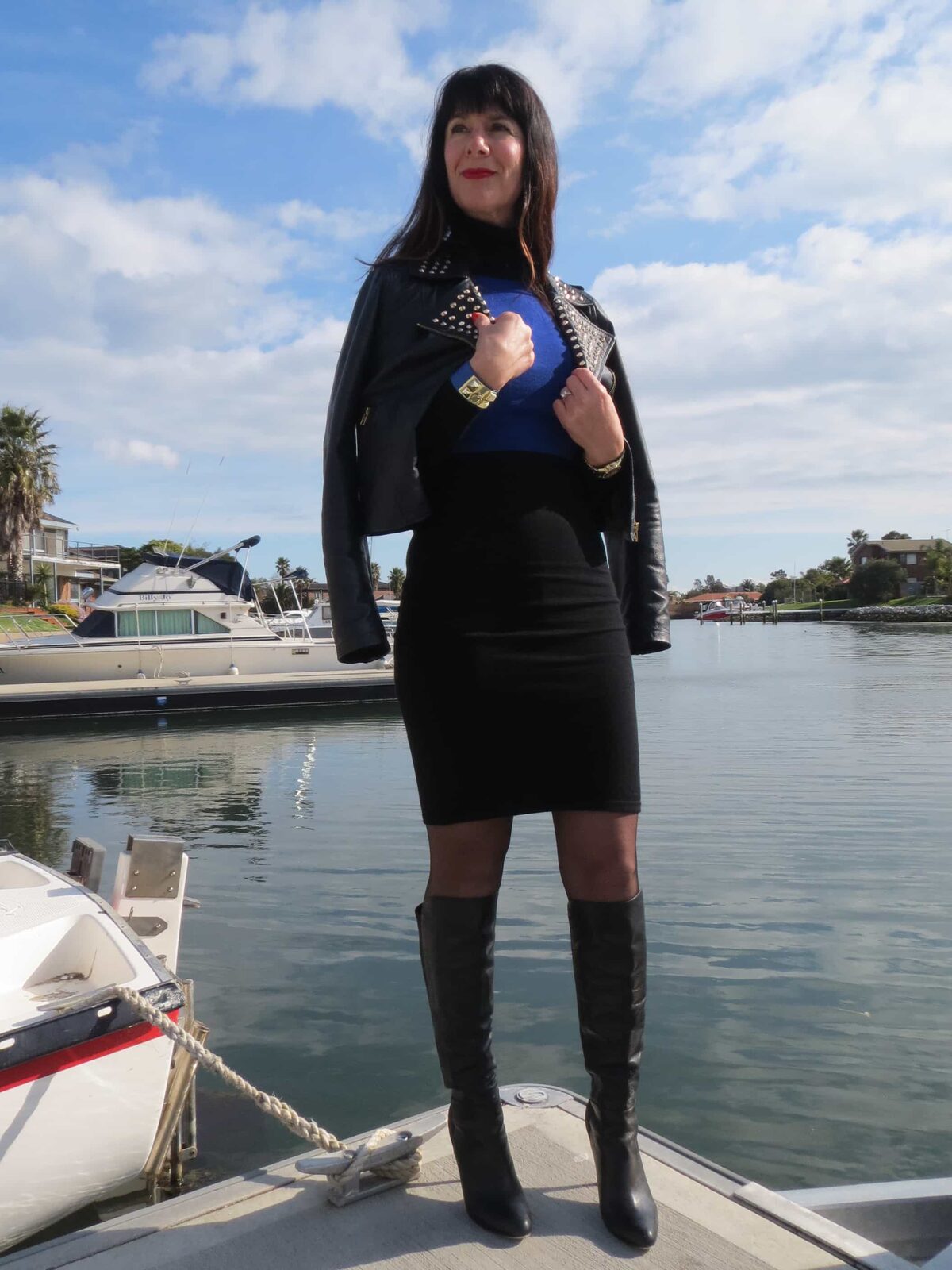
A quality knit. A fine merino or wool-blend jumper in a colour that suits you: warm, smart, and good under a blazer or over a shirt. Natural fibres wear far better than cheap acrylic, which pills and sags within a season, and they turn up in op shops constantly. A jewel tone or a good neutral in soft wool is one of those pieces that quietly makes you look expensive; check the label for the fibre and the stitch for tightness, and you can find a beautiful one for a fraction of what it first cost.
A leather handbag. A structured tan or black leather bag you carry every day. This is one to buy well, in leather that ages rather than cracks, and one of the very best things to buy pre-loved, as I set out in the handbag guide.
A white leather sneaker and a black ankle boot. The two hardest-working shoes in any wardrobe, both worth good leather because you live in them. The full case for each is in the shoes guide; for our purposes, they are the footwear worth the spend.
A good coat. The hardest of the lot to find new under $200, and the easiest to find secondhand. A wool coat or a trench in a neutral is outerwear you will wear for a decade. This is where the op shops in the good suburbs genuinely shine: a real wool coat that cost someone hundreds turns up for the price of a lunch, barely worn, needing nothing but a dry-clean. Choose a classic shape and a neutral colour and it will never date, which is the whole point of investing in outerwear.
The best investment of all: a tailor
If you do one thing with this whole list, do this. A tailor is the cheapest and highest-return spend in all of fashion. For twenty to fifty dollars, a hem, a nip at the waist or a shoulder adjustment turns something that merely fits into something that fits you, and a garment that fits is worn far more, and looks far more expensive, than one that hangs.
It also unlocks every bargain above. A quality op-shop blazer a size too big, altered for thirty dollars, becomes a better jacket than most people buy new. Learn to see a garment as “this plus a small alteration” and your budget stretches remarkably: suddenly the too-long trousers, the gaping waist and the over-long sleeves are not reasons to walk away but reasons the piece is a bargain nobody else spotted. A good tailor is the quiet partner behind every well-dressed woman on a budget, and the best forty dollars you will spend on your wardrobe all year.
How to spot quality under $200
Price is a poor guide to quality now, so learn to read the garment instead. Feel the fabric first, natural fibres and good-quality blends breathe, drape and last, where cheap synthetics feel thin and go bobbly fast. Check the seams are neat, straight and generous enough to let out, and that patterns match across them. Look for a lining in a jacket or dress, working buttons and zips, and, on knits, a tight, even stitch rather than a loose one you can see through.
None of this needs a designer price. It is exactly what turns an op-shop rummage or an outlet trawl into a genuine find, and it is the skill worth building above any shopping list.
Where to find them for less
Every piece on this list turns up well under $200 if you know where to look. Op shops in the wealthy suburbs are unbeatable for coats, leather bags and wool knits at a few dollars. The DFO outlets and end-of-season sales cover blazers, jeans and shoes at a fraction of full price. The resale apps handle designer for less, and the everyday affordable brands worth knowing: Uniqlo for knits and shirts, Country Road in the sales for a coat or bag, fill in the rest. Buy each piece to combine with what you already own, and the whole considered wardrobe comes together for less than one designer handbag.
What it looks like in practice
To make it concrete, here is roughly how the whole core comes together, the way I have actually bought it over the years. A wool coat from a Bayside op shop for under twenty dollars. A quality blazer from the same, altered to fit for thirty. Dark straight jeans from an outlet, fifty. A merino knit, an op-shop find, ten. A white shirt from Uniqlo, forty. A versatile dress in an end-of-season sale, sixty. A leather tote, pre-loved, eighty. A white leather sneaker and an ankle boot, bought properly at a hundred-odd each because you live in them.
Add that up and you have a complete, hard-wearing, mix-and-match wardrobe (a coat, a blazer, jeans, a knit, a shirt, a dress, a bag and two pairs of shoes) for the price of a single mid-range designer coat, with not one piece over two hundred dollars. That is the whole argument, in a shopping list.
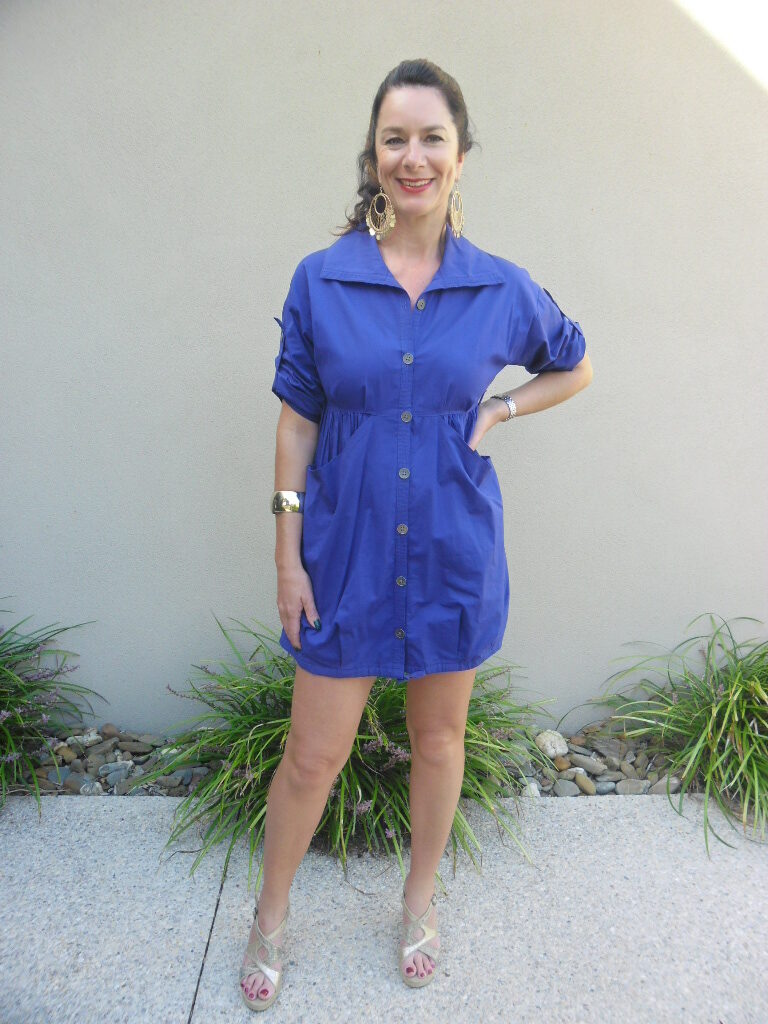
The trick that makes it work is that every piece speaks to the others. The blazer goes over the dress or the jeans; the knit layers under the coat or over the shirt; the bag and the shoes finish all of it. Bought to combine rather than in isolation, ten pieces make far more than ten outfits, which is exactly why a small, considered wardrobe out-dresses a large, scattered one, and for a fraction of the money.
The common mistakes with “investment” buying
The word itself leads people astray, so watch for a few traps. Treating “it’s an investment” as permission to overspend, when the real investments are often the cheap, versatile pieces you wear to death. Buying the aspirational size or the aspirational life (the sharp suit for a job you do not have, the going-out heels for nights you do not have) instead of clothes for the life you actually live. Paying for the label rather than the garment, when a quiet unbranded piece in better fabric would serve you longer. And, the most common of all, buying good pieces and then never getting them altered, so they hang unworn while you tell yourself they were worth it. An investment only pays off if you wear it.
What not to invest in
Just as important as where to spend is where not to. Fast trends, novelty pieces and anything you will wear once or twice are not investments, however lovely, the shoe for a single wedding, the colour of the season, the statement piece you will be sick of by winter. Buy those cheaply and without guilt, and put the money you save towards the quiet workhorses above. A wardrobe of a few good, versatile pieces plus a handful of cheap fun ones beats a cupboard full of expensive mistakes every time.
And if working out which pieces your particular life and shape actually call for feels like the hard part. It usually is. That is exactly what a session is for. A personal stylist will pin down your specific short list and a personal shopper will help you find each piece well, to whatever budget you have. It is the same logic as the whole blog: spend a little thought, not a lot of money.
Fourteen years on, the principle has not moved: it is not about size, age, labels or price. It is about owning fewer, better, more versatile things that suit you, and, it turns out, none of them need cost more than two hundred dollars.
And now you’re Looking Good Girls.
“She considers a field and buys it,” Proverbs 31:16.