
Wear something you have worn before and felt good in. That one rule solves most of it, because the aim is not to look like somebody else for an evening. It is to look like the most comfortable, most recognisable version of yourself.
Every first-date styling disaster I have been told about comes down to the same thing: a brand-new outfit bought that afternoon, worn for the first time, in shoes that had never been tested. The whole night then goes on managing it rather than on the person opposite.
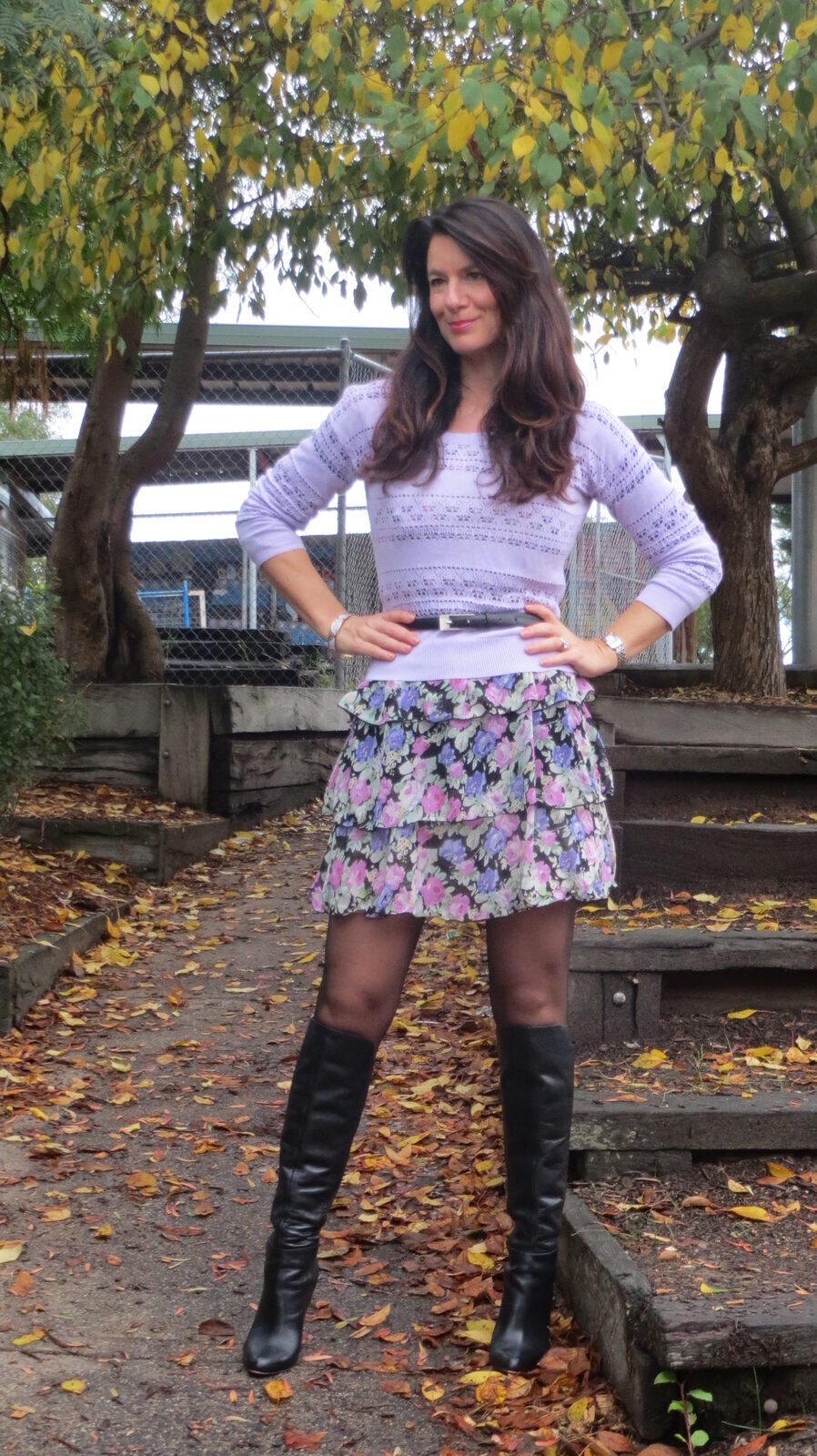
The golden rule: nothing new
Nothing new. Not the dress, not the shoes, not the lipstick, and especially not the underwear.
New clothes do things you cannot predict. The neckline gapes when you lean forward. The waistband digs once you sit down to eat. The shoes rub by the second venue. And every one of those is a small, ongoing distraction that takes you out of the conversation.
An outfit you have worn twice is a known quantity. You already know it behaves, you already know you like yourself in it, and that knowledge shows in how you carry it. If you want something new for the occasion, buy it a fortnight early and wear it once first.
Dress for the venue, then a small notch up
Aim at the venue, then go slightly, only slightly, dressier. A small notch above reads as I made an effort for you, which is a compliment. A large notch above reads as nervous, and a large notch below reads as indifferent.
Coffee, or anything daytime
Less, not more. Good dark jeans, a nice top in a decent fabric, a jacket, a clean flat or ankle boot. Then one considered thing, better earrings, a good bag, a proper lipstick.
A full evening face and high heels at eleven in the morning reads as trying too hard, and daylight is unforgiving in a way restaurant lighting is not. Think of it as what you would wear to a nice lunch with a friend whose opinion you care about.
Drinks, or a bar
The easiest brief of the lot, and where a bit of personality is welcome. Dark jeans or a skirt, a good top, a jacket with some character, boots.
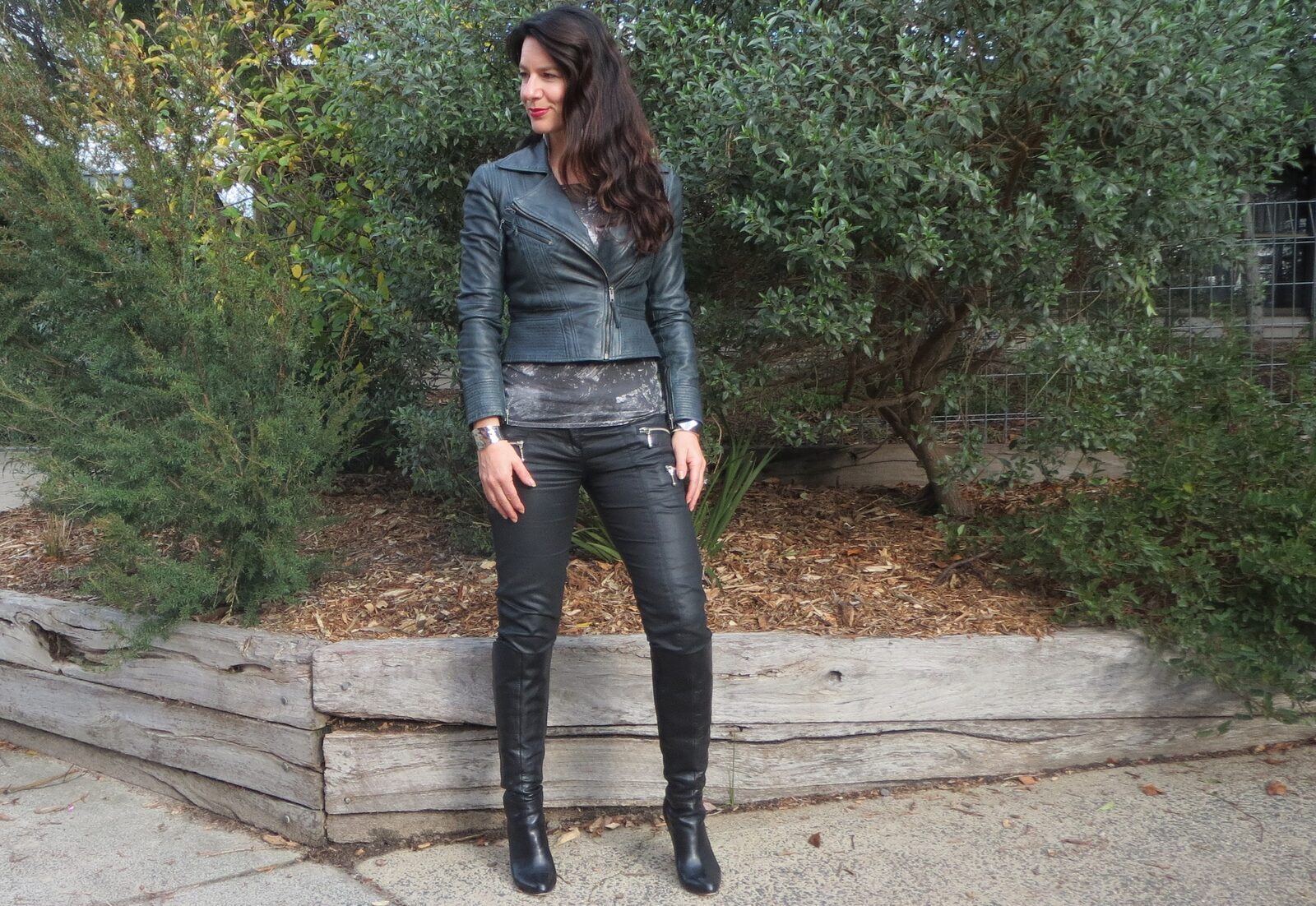
A leather jacket does an enormous amount of work here. It lifts anything underneath, it reads as confident rather than fussy, and it means you are not cold outside a bar at eleven, which is a genuine consideration in this city.
Dinner
Dressier, and this is where fabric earns its keep, because restaurant lighting is cruel to cheap synthetics. A good dress, or tailored trousers with a silk top, or a skirt and knit. A heel if you like, a smart flat if you do not.
One practical note nobody mentions: choose something you can comfortably eat a whole meal in. A waistband that is fine at seven is not necessarily fine at nine, and being unable to enjoy dinner is a poor start.
An activity date
Walk, market, gallery, mini golf, dress for the activity first and add the effort in the details. Good jeans, a nice jacket, shoes that genuinely walk. Then earrings, a lipstick, a bag you like. This is the one venue where footwear is not negotiable.
What the research says about red
There is a real body of work here, and it is more interesting than the usual advice.
Elliot and Niesta’s studies at the University of Rochester found men rated the same woman as more attractive and more desirable when she was shown wearing, or framed by, red rather than another colour, with the colours matched for saturation and brightness so hue was the only variable. Men appeared unaware the colour was influencing them. Later work found the effect ran in the other direction too, with women rating men in red more appealing.
Two honest caveats, because I would rather give you the useful version than the magazine version. The effect was on attraction specifically, red did not change ratings of likeability, kindness or intelligence. And no colour rescues an outfit that does not suit you: if red fights your colouring, wearing it because a study said so will not help.
So treat it as a small, free edge rather than an instruction. And you do not need a red dress to use it.
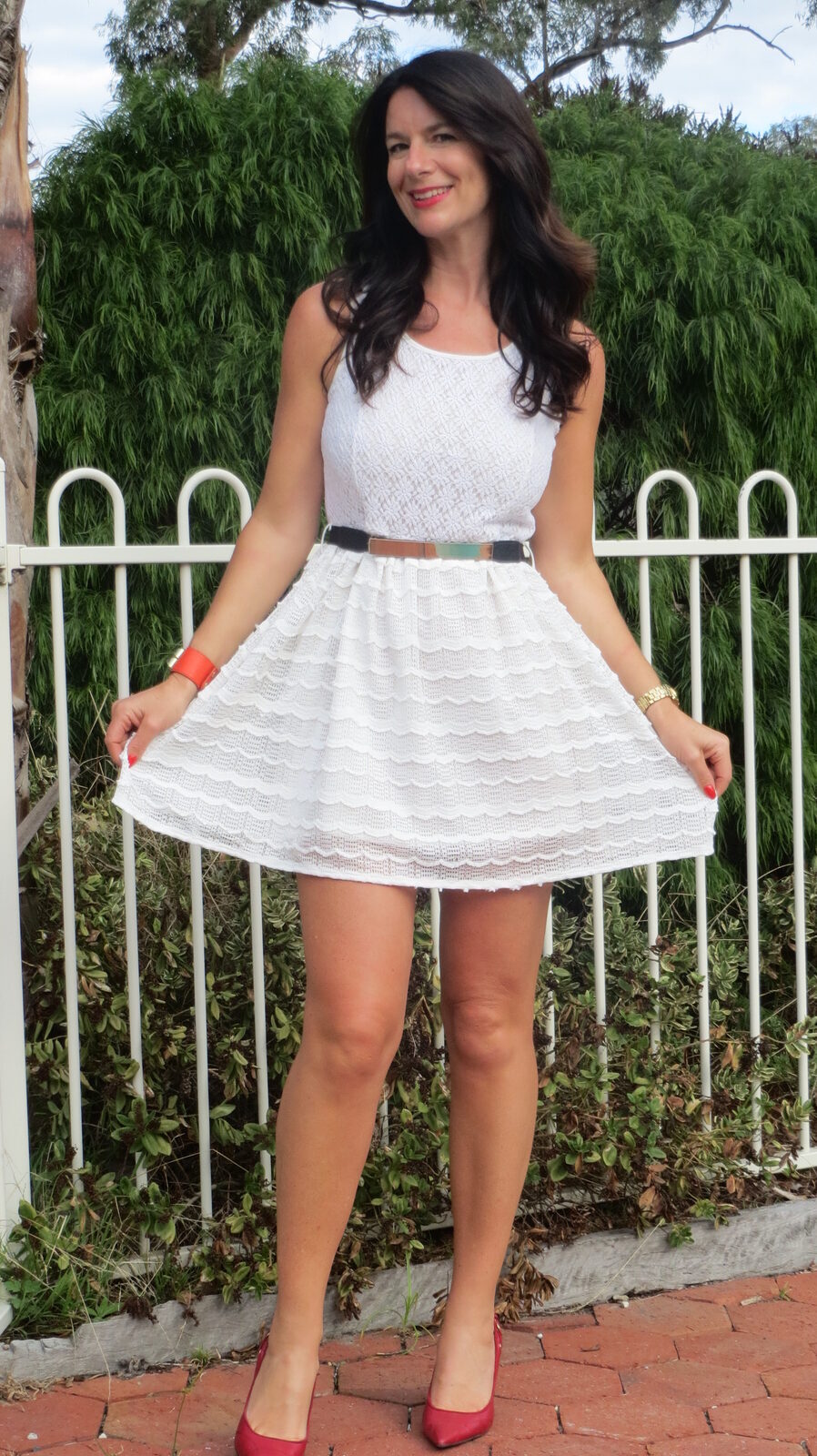
A red shoe. A red lip. A red bag. That is plenty, and it is far easier to wear than head-to-toe scarlet.
Look like your photographs
This one is new enough that most advice has not caught up with it, and it matters more than half the outfit.
If you met online, the person is holding a picture of you in their head, and the first few seconds are spent reconciling that picture with the woman walking in. Arrive looking markedly different (hair up when every photo is down, full glamour when the photos are casual, or the reverse) and those seconds go on recalibration rather than on you.
None of this is an argument for looking worse. It is an argument for looking continuous. If your photos are you in jeans and a leather jacket with your hair down, turn up recognisably in that register. If they are all evening shots and you arrive in gym gear, the mismatch registers even if nobody says so.
The kind version of the rule: your photos should look like you on a good day, and the date should look like you on a good day. Then there is nothing to reconcile.
The Melbourne problem
Every first date here has a weather problem, and it is nearly always solved badly.
You leave in daylight at twenty-two degrees and come out of a restaurant at ten into fourteen and a wind. So the layer is not optional, but it has to be a layer that belongs to the outfit, because you will be photographed in it, walked in it, and probably sitting in it for the first ten minutes.
A leather jacket, a proper blazer or a good coat. Not a fleece, and not the cardigan hanging by the door. The failure I see is a beautiful outfit topped with whatever was nearest, and the topping is what gets seen for half the evening, outdoors, walking between venues, standing waiting for a table.
And carry an umbrella in the bag rather than dressing for rain. Dressing for rain wrecks an outfit; an umbrella does not.
What to carry
A small bag, not your everyday tote. It looks considered and it keeps the table clear.
Inside: phone, a card, keys, lipstick, a plaster for the shoes you swore you had worn in, and hair ties if you have long hair. That is genuinely everything. A large handbag on a small restaurant table is awkward, and having to hunt through it is worse.
If the bag itself is decent leather, it does quiet work for the whole outfit. The same argument as the handbag guide.
What actually matters more than any of it
Comfort, because it is visible. A woman adjusting a neckline all evening is communicating discomfort, and that is what gets read, not the neckline. Anything you have to manage is the wrong choice however good it looks standing still in a mirror.
Being recognisably yourself. If you turn up as a version of you invented for the occasion, you then have to keep that up, possibly for months. Far better that the person meets who actually arrived. Your own clothes, your own colours, the shapes you already know suit you, the ones in dressing for your body shape if you are not sure.
One thing you genuinely like. Not the thing you are least unhappy about, the thing you actually like. Ankles, shoulders, collarbones, waist, legs, arms. Build around it. An outfit organised around a feature you are pleased with reads completely differently from one organised around concealment, because concealment shows.
Decide the night before
Small thing, disproportionate effect. Choose the outfit the evening before and physically put it out: everything, including the shoes, the jewellery and the bag.
Deciding an hour beforehand is how women end up in something new and untested, or in the fourth thing they tried after three that no longer fitted the mood. The hour before a first date is the worst possible time to make a clothing decision, because nerves make everything look wrong in the mirror. Whatever you chose calmly the night before will be the better call, and you can spend that hour on your hair instead.
Check it is clean and pressed while you are at it. There is nothing more deflating than pulling out the right dress and finding a mark on it.
The traps
Shoes you cannot walk in. First dates move. A drink becomes a walk becomes somewhere else. A heel you are teetering in reads as uncomfortable, and it will decide your evening. The block heels and ankle boots in the shoes guide do the job without the cost.
Too tight to eat. Genuinely common and genuinely miserable.
So revealing you spend the night managing it. By all means show some skin. One area, chosen deliberately. It is the constant adjusting that undoes it, not the skin.
Strong perfume. You stop noticing your own after twenty minutes. The person across a small table does not.
Dressing for a fantasy of them. You are not auditioning for a part. If it works out, you will be wearing your ordinary clothes soon enough.
Grooming, briefly
The clothes get all the attention and this quietly does half the work.
Clean, brushed hair with the ends tidy. Nails short and neat rather than half-grown-out polish. A lipstick you have worn before and know stays put. A first date is not the evening to discover a colour transfers onto a wine glass. And go easy on anything that takes an hour, because a face you are not used to makes you self-conscious, which shows.
None of it needs a salon or a new routine. It needs to look like you took some care, which is really all anyone reads.
On the confidence part
The reason all this matters is not that anyone is scoring your outfit. It is that what you wear changes how you sit, how you move and how much of your attention is available for the conversation.
That is the entire mechanism. A woman in something she trusts is not thinking about her clothes, so she is present, and present is what is attractive. Nobody has ever left a first date thinking about a handbag.
If you have not dated in a while
This comes up in sessions more than you might think, usually after a long relationship, and the wardrobe is rarely the real problem. It is that everything in it was bought for a life that has changed: work clothes, family clothes, and nothing in the middle for an evening out as yourself.
Start with three outfits rather than a wardrobe: a daytime one, a drinks one, a dinner one. That covers essentially every first date anyone goes on, and each can be assembled largely from things you own with one or two additions. The approach is the same as looking expensive on a budget: fit, good fabric, one considered detail.
If the working-it-out is the hard part, that is what a session is for. A personal stylist will build those three outfits around what suits you and what you already own, and a personal shopper will fill the gaps without a fortnight of changing rooms. More in the styling posts meanwhile.
Something you have worn before, that fits, in a colour that suits you, with shoes you can walk in. Then forget the lot and enjoy the evening, which was always the point.
And now you’re Looking Good Girls.
“Wash, perfume yourself, and put on your best clothes,” Ruth 3:3.