
The dress code on the invitation tells you almost everything, once you know what the words actually mean: black tie wants a gown, cocktail wants a knee-length or midi dress, garden party wants something pretty and lighter, and no dress code at all means you take your cue from the venue and the hour. The rest is the handful of rules that apply to every wedding on earth: chief among them, do not wear white.
I have been to a great many weddings, and dressed a great many women for them, and I can tell you the two things guests get wrong are almost never about money. They are misreading the dress code, and buying shoes they cannot stand up in. So let us fix both.
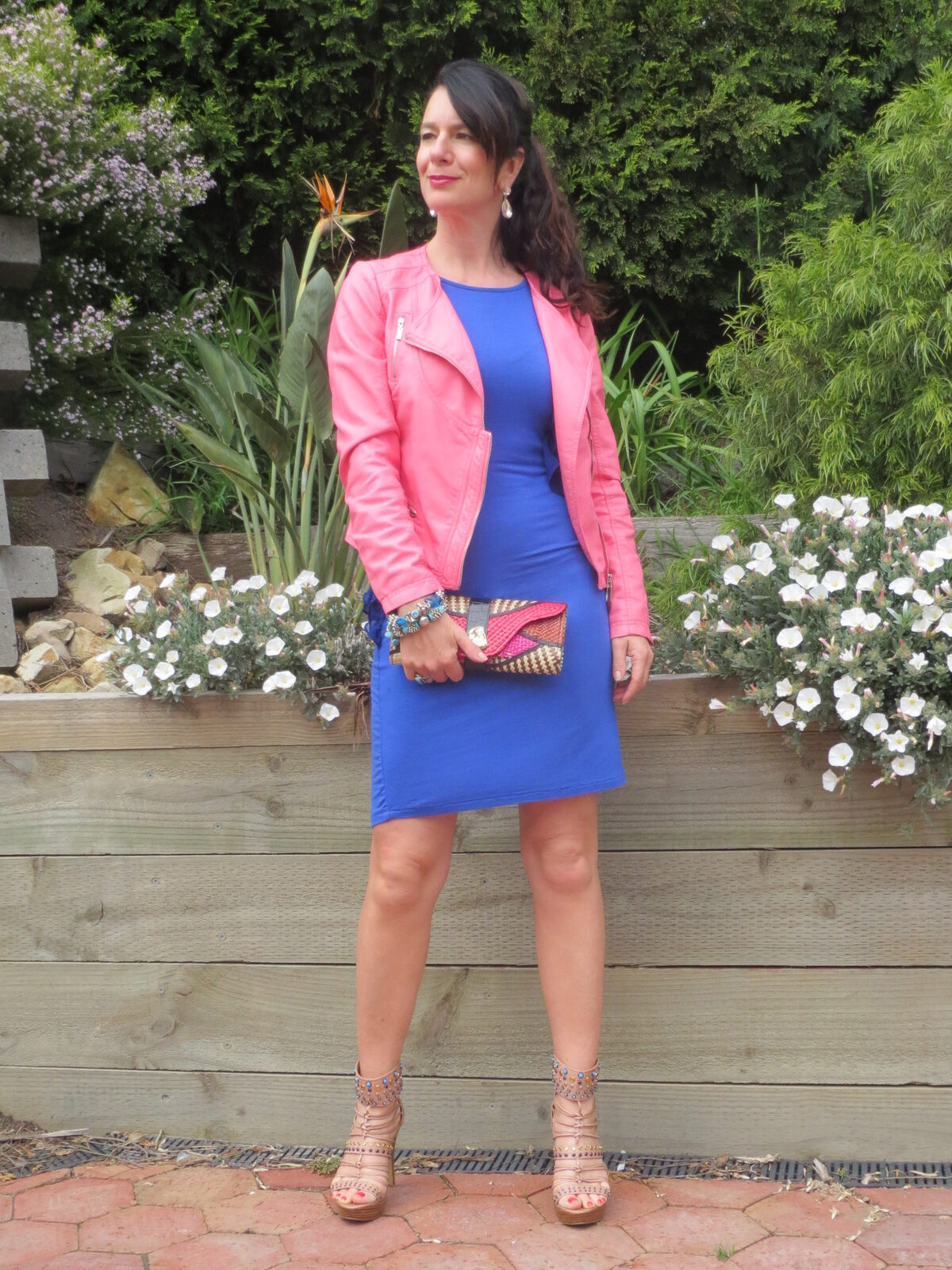
Start with the invitation, then the venue
Read the invitation twice. The dress code, if there is one, is the couple telling you exactly what they want, and it is a kindness, take it at face value rather than deciding you know better.
Then look at the two other clues, which matter almost as much. The venue: a ballroom, a winery, a beach, a backyard. And the time: a midday ceremony asks for something lighter than a six o’clock one, and evening always runs dressier. A cocktail dress that is perfect at a city reception is a great deal at a lunchtime garden wedding, and the same dress in a lighter fabric would have been right.
Here in Melbourne, add a third clue: the weather will do whatever it likes. A February wedding can turn thirty-six degrees and then drop fifteen by the time the speeches start, so a wrap, a jacket or a shawl is not optional, it is the outfit.
Every dress code, decoded
Black tie
The dressiest you will be asked to be. A floor-length gown, or a very dressy cocktail dress in a formal fabric, satin, velvet, chiffon, heavy crepe, something with sequins or beading. Proper heels, real jewellery or good costume jewellery, an evening clutch rather than a day bag.
This is the one code where hiring genuinely makes sense. A gown you will wear once is exactly the wrong thing to buy, and the hire apps will put you in something far better than you would buy at the same price.
Black tie optional, or formal
The same territory, with the pressure off. A gown is welcome, but a sophisticated knee-length or midi dress in a good fabric is equally correct and, honestly, what most guests will be wearing. Dark or jewel colours, considered accessories, heels.
If you own one good occasion dress, this is the code it exists for.
Cocktail
The most common wedding dress code by a wide margin, and the most misunderstood. Cocktail means a knee-length or midi dress, not a gown, and not a sundress. Think a well-cut dress in a good fabric, lifted with heels, a clutch and some jewellery.
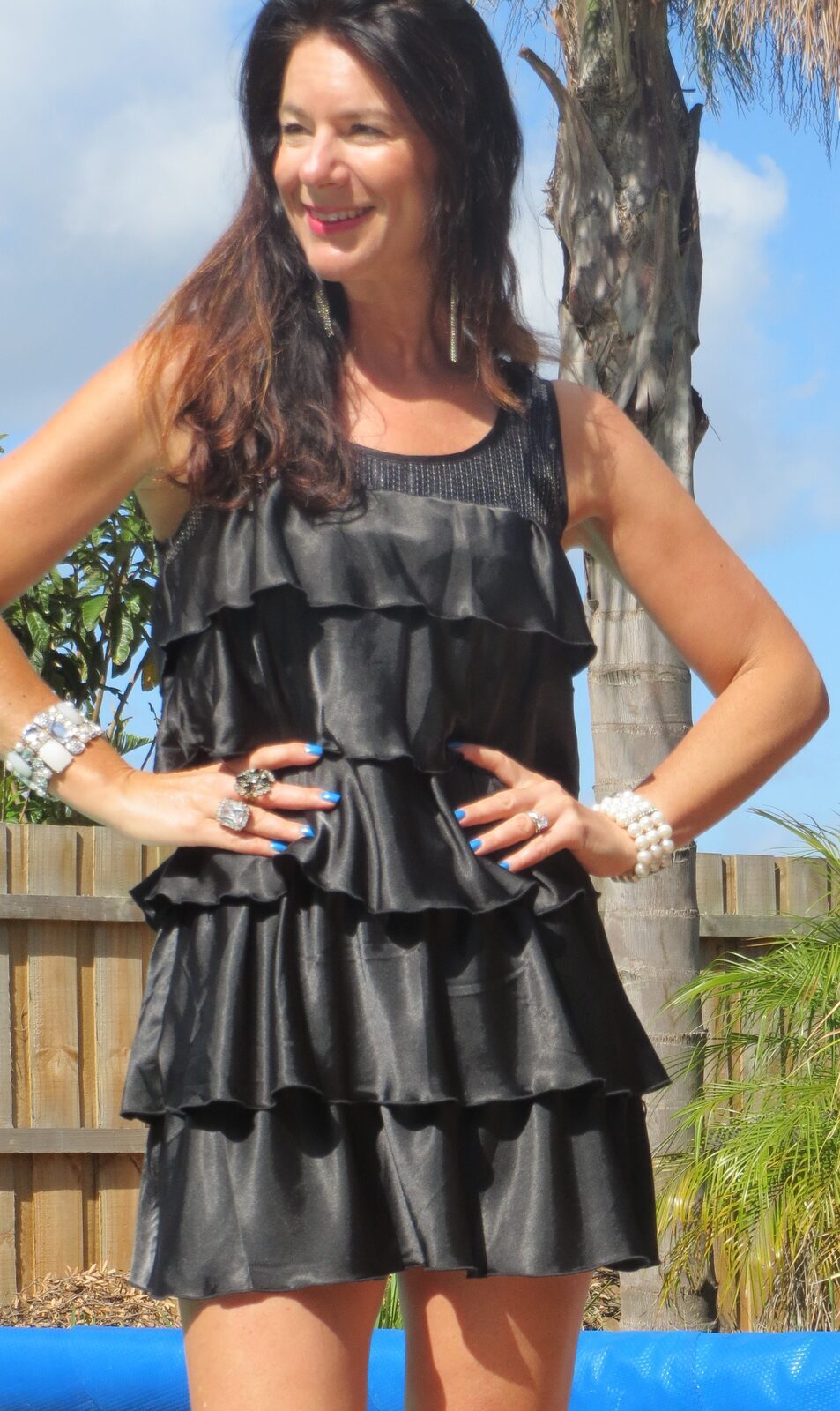
A jumpsuit is entirely acceptable here now, as is a beautifully cut trouser suit, and both are a blessing if dresses are not your thing. Colour is wide open. This is where a cobalt, an emerald or a deep berry does its best work.
Semi-formal, or dressy casual
A step down again. A nice dress, or a skirt or smart trousers with a lovely top. A blazer works beautifully here. Heels or a smart flat, either is fine.
The trap in this code is going too casual, “dressy casual” is still dressy, and a wedding is never the place for denim unless the couple has specifically said so.
Garden party, or beach
A pretty day dress in a lighter fabric: cotton, linen blend, floaty chiffon, a nice print. Midi lengths are lovely for this and photograph beautifully. Colour and florals are absolutely welcome.
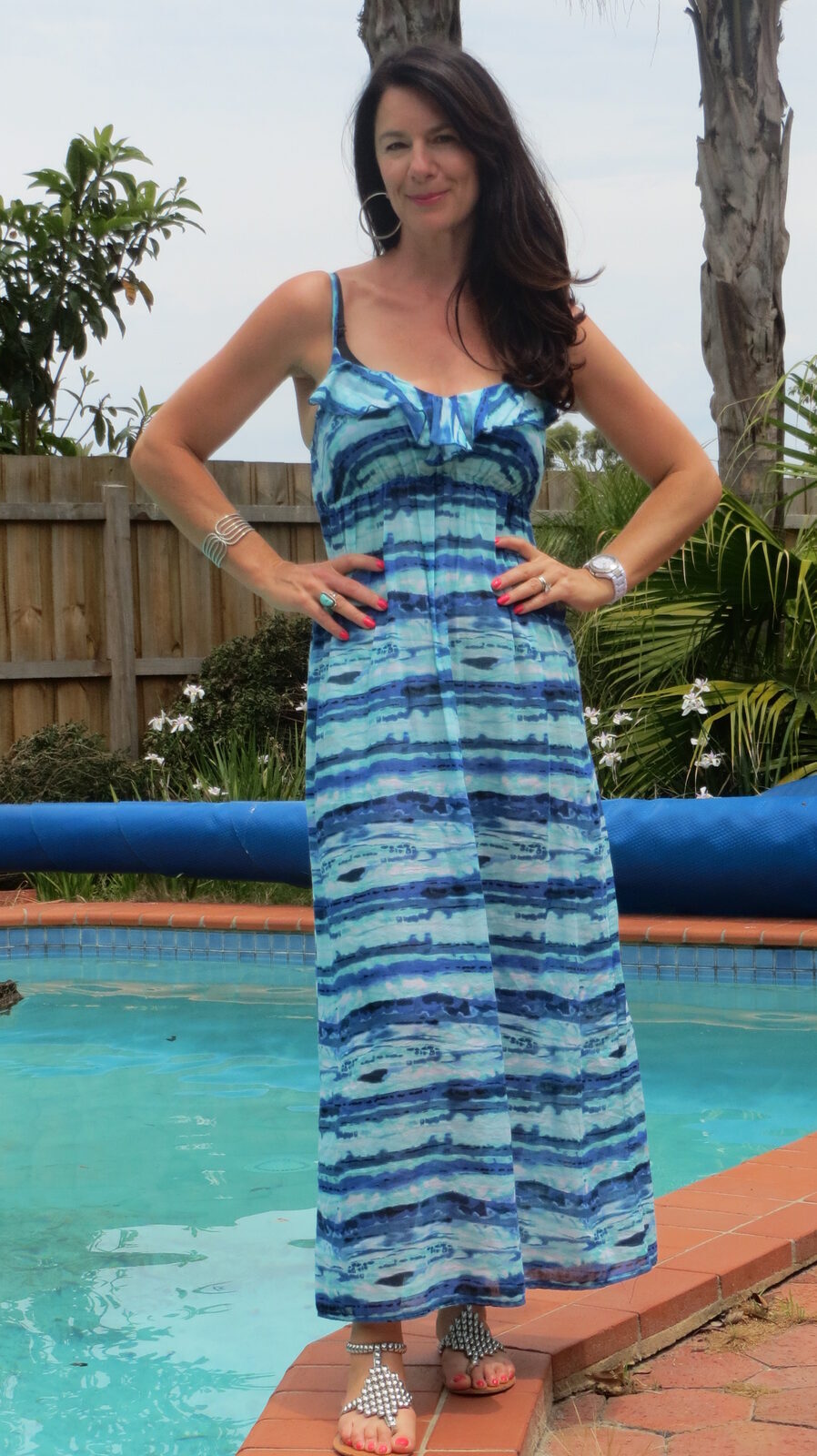
The critical part is the shoes, and I will keep saying it: grass and sand swallow a stiletto whole. A block heel, a wedge or a smart flat will keep you upright and out of the aerating-the-lawn business. Bring a hat or take the shade if it is a summer ceremony, and bring a wrap for when the sun goes.
No dress code at all
By far the most common situation, and the one that causes the most standing-in-front-of-the-wardrobe misery.
Work it out from the venue and the time, as above. When you truly cannot tell, aim one notch dressier than you think and keep the outfit simple, slightly overdressed reads as though you made an effort for someone you love, and underdressed reads the other way. Or do the thing nobody thinks of and simply ask the couple. They will be delighted you cared enough to.
The rules that apply to every wedding
Do not wear white, and the rule is wider than you think
This one is not negotiable and it catches out lovely, well-meaning people every year, because it is not just about a white dress.
Avoid ivory, cream, champagne, oyster, pale blush that reads white in a photograph, and anything with a predominantly white base, including a white floral and a white jumpsuit. The reason is the camera: under a flash, a colour that looks obviously beige in your bedroom mirror can come out as plain white in every photograph of the day. And those photographs are the one thing about a wedding that cannot be re-done.
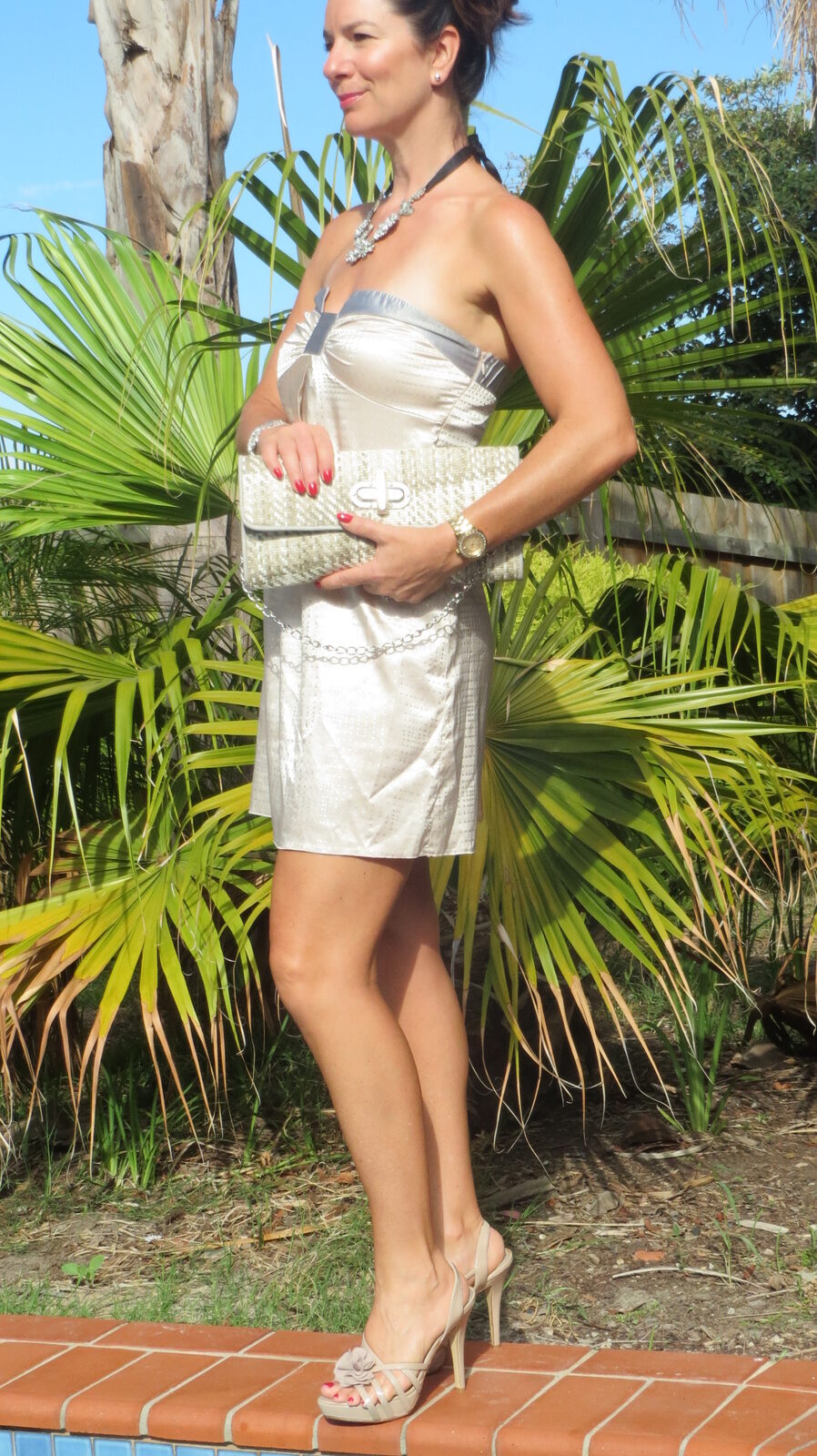
That dress is beautiful and I have worn it many times: to weddings, never. If you are unsure whether a shade is too close, photograph yourself in it with the flash on. The camera will tell you honestly, which is more than the mirror will.
Do not compete with the bride
Beyond the colour, this is about degree. Not the most revealing dress in the room, not the biggest hat, not the most attention-grabbing thing you own. It is her day, and the guest everyone remembers for the wrong reason is never the best-dressed one.
Black is fine
The old superstition is long gone, and a good black dress is one of the most useful things a guest can own. Just keep it from looking sombre, lift it with colour in the shoes, the bag or the jewellery, and choose a fabric with some life rather than a flat matte black.
Dress for eight hours, not for the photo
You will be in this outfit through a ceremony, drinks standing up, a long dinner and, if the couple got it right, some dancing. Anything too tight to eat in, too short to sit down in, or too high to stand in will make you miserable by nine o’clock. Comfort is not the opposite of looking wonderful. It is usually the cause of it, because a woman who is comfortable moves like she means it.
Do the sit-down test before you commit. Put the whole outfit on at home, sit in it, stand up, reach for something on a high shelf and walk the length of the hallway. If the skirt rides up, the neckline gapes or the strap slides, you will be adjusting it all day in front of a photographer. Better to find out on a Tuesday than during the speeches.
Dress for the season, not the photo you saw online
A wedding outfit has to survive an actual Australian day, and the season changes the whole calculation.
A summer wedding wants natural fibres (cotton, linen blends, silk, light chiffon) because a polyester dress in thirty-four degrees is its own punishment. Watch for anything that shows perspiration, and take the sun seriously if the ceremony is outdoors.
A winter wedding is the easier one, and the most flattering: this is where velvet, heavier crepe, long sleeves and deep jewel colours all look wonderful. A proper coat you are happy to be photographed in matters here, because you will be wearing it between the car and the door in every picture.
Autumn and spring are Melbourne’s speciality, which is to say entirely unpredictable, so layer deliberately. A dress with a jacket or a wrap that genuinely belongs to it, rather than the cardigan you grabbed on the way out.
Doing it beautifully on a budget
Here is the thing nobody says out loud: your outfit is the part of a wedding where spending has the least effect on how good you look.
Attending a wedding is already an expensive business. Easy Weddings’ annual industry report puts the average Australian wedding at over $38,000, with guests spending an average of $208 on the gift alone, and that is before travel, accommodation or a hens’ weekend. So spend where it counts, which is the gift, and be clever about the outfit.
Shop your own wardrobe first. The dress you wore to the last one, with a different jacket, different shoes and different jewellery, is a genuinely different outfit. And yes, you may absolutely wear the same dress twice, different guests, different photos, and nobody anywhere is keeping a register.
Hire, for black tie only. A gown worn once is the textbook thing not to buy. For every other code, buying is better value.
Op shops and the resale apps. Occasion wear is the very best thing to buy secondhand, because it has usually been worn once and looked after. I have found beautiful things in the Bayside op shops for the price of a coffee, and a $30 alteration to make it fit properly is money far better spent than another $200 of dress.
Buy the versatile one. One good occasion dress in a plain, deep colour and a flattering shape, worn to four weddings with four different jackets, beats four dresses worn once each. The same case I make in the best fashion investments under $200.
The whole approach is really just looking expensive on a budget applied to a specific day: get the fit right, choose a good fabric, keep the colours tight, and nobody will ever ask what it cost.
Accessories do the heavy lifting
Three things carry a wedding outfit, and getting them right is what separates a dress from an outfit.
Shoes first, because they are the ones that ruin days. Wear them in around the house beforehand, match the heel to the ground, and put a folded pair of flats in your bag for the dancing. Every sensible woman does, and by ten o’clock she is the one still on the floor. My full case for which shoes earn their place is in the shoes guide.
A clutch or a small bag, not your everyday tote. It only needs to hold a phone, a lipstick, tissues for the ceremony and a plaster for the shoes you swore you had worn in.
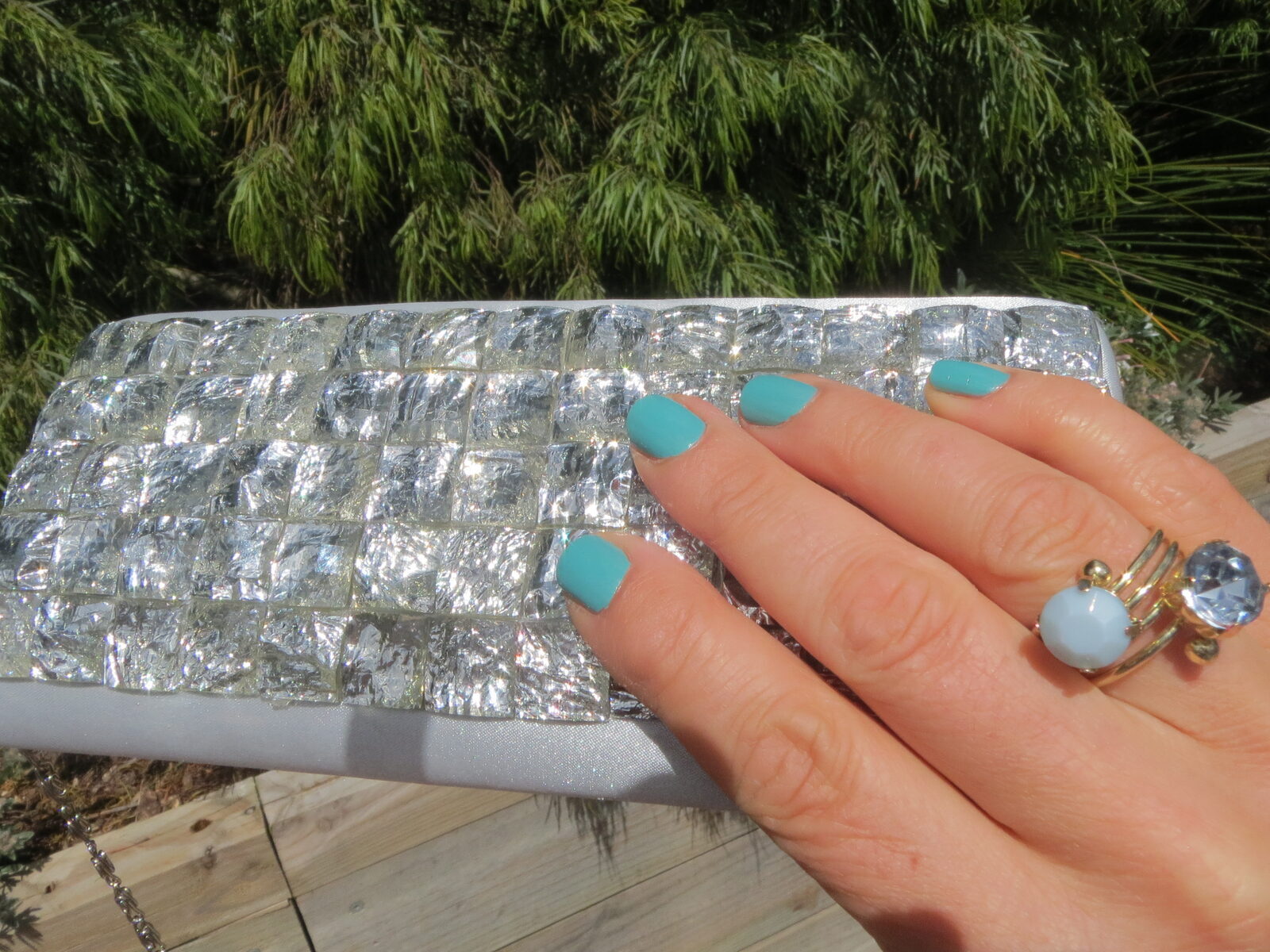
Jewellery, chosen against the neckline rather than piled on. One strong piece (good earrings with a high neckline, a necklace with a plain one) does more than five competing ones. There is more on choosing the bag in the handbag guide.
And a wrap or a jacket. Always. Melbourne will get you otherwise.
The mistakes, briefly
White, ivory, champagne or anything that photographs pale. New shoes, unworn in. Stilettos on grass. No layer for the evening. Something so tight you cannot eat, or so short you cannot sit. Reading “cocktail” as a sundress or “dressy casual” as jeans. And spending a fortune on a dress for one day when the gift was the part that mattered.
The short version
Read the invitation, look at the venue and the hour, avoid anything white, wear shoes you can stand in, and take a wrap. Everything else is detail.
If a wedding has landed in your diary and the standing-in-front-of-the-wardrobe stage has already begun (especially if it is a big one, or you have not bought occasion wear in years) that is exactly what a session is for. A personal stylist will work out the shape and colour that suit you and the code, and a personal shopper will find it with you, to whatever budget you have. There is plenty more in the styling posts meanwhile.
Then forget the outfit entirely and enjoy the day. That is what you were invited for.
And now you’re Looking Good Girls.
“Therefore what God has joined together, let no one separate,” Mark 10:9.